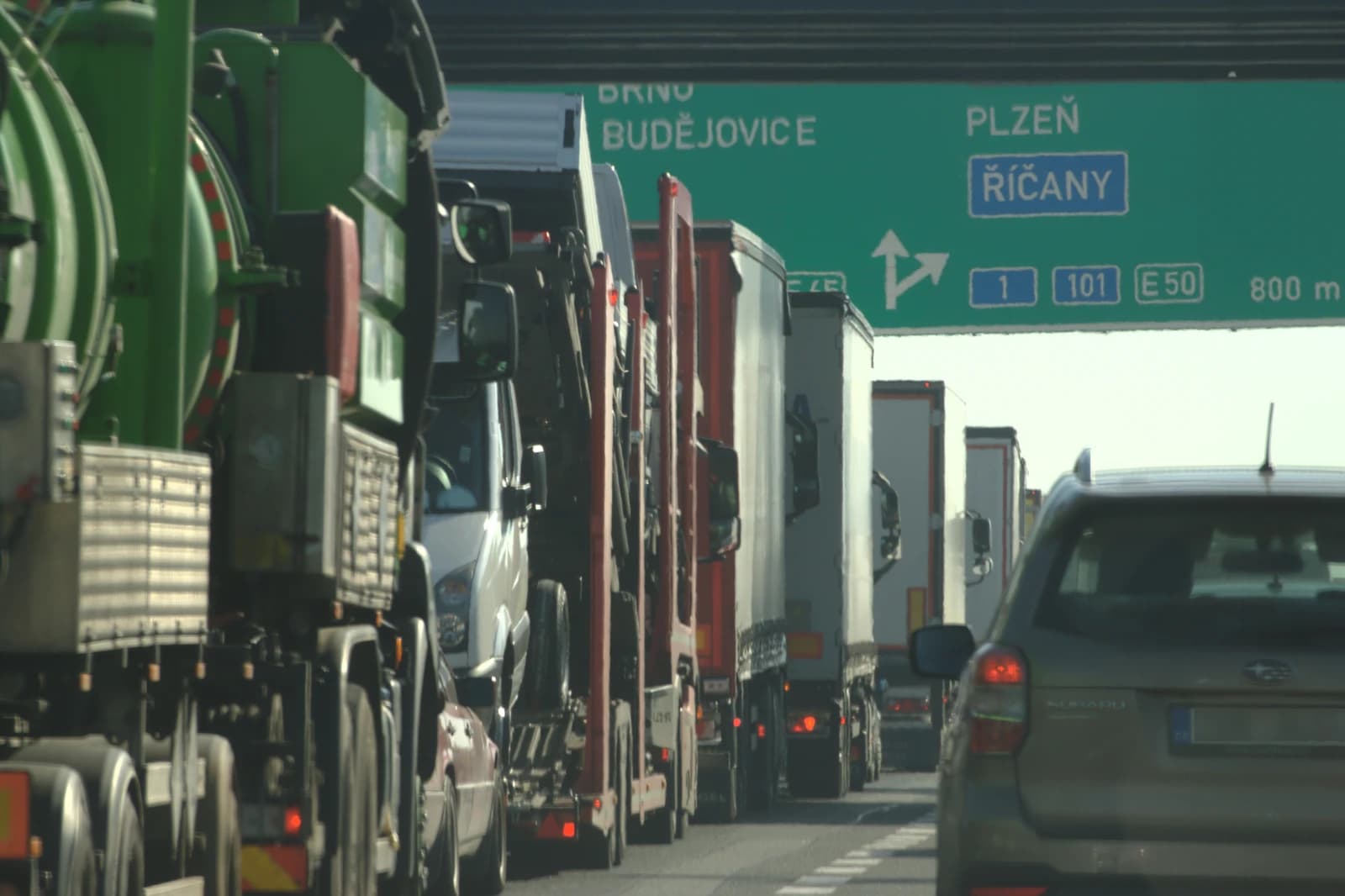
Lada’s Granta is being fitted with a factory-installed gas system that can stretch driving range to as much as 1,000 kilometers on a single fill, giving Russia’s most basic mass-market sedan a sharper value proposition in a market where fuel savings matter more than ever.
Lada Granta gets factory gas system in Russia
The upgrade is economically significant because it turns a low-cost model into a longer-haul workhorse for taxi fleets and high-mileage drivers, the buyers most sensitive to running costs. At an estimated price of about 1.2 million rubles, or roughly the upper end of the budget segment, the car is still not cheap by local standards. But factory certification could make the premium easier to justify than aftermarket conversions, which often come with warranty, safety and registration complications.
Sentiment IndicatorsⓘProprietary · adalytica.com · October 20, 2026
This is a snapshot — live sentiment, awareness and momentum for 130+ markets update continuously in the dashboard.Open AlphaPulse
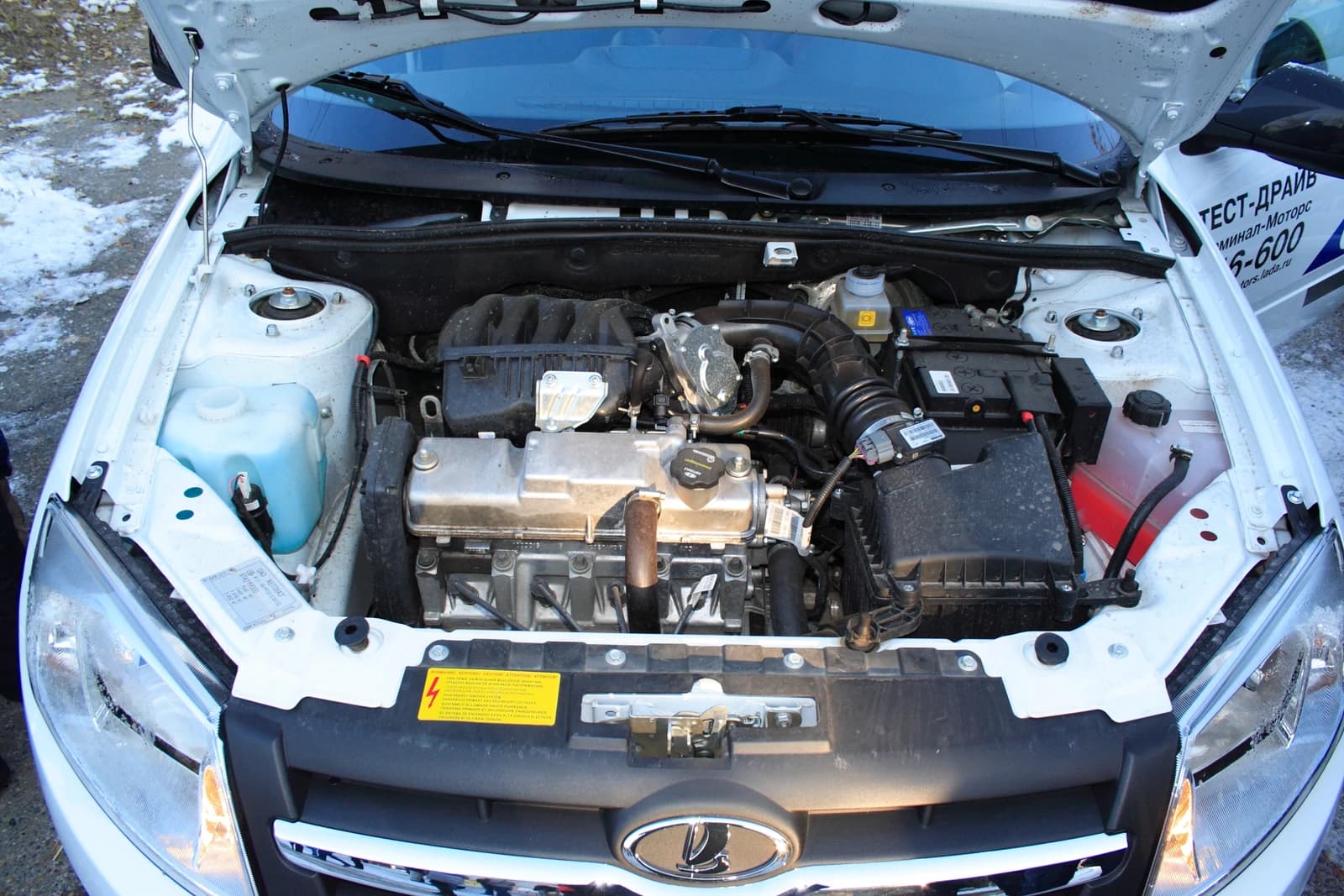
The new version, developed by ATS-Avto, a partner of AvtoVAZ, keeps the familiar 90-horsepower eight-valve engine and five-speed manual gearbox. The key changes are in the rear of the vehicle, where the propane-butane system is installed. The trade-off is practical: the spare wheel no longer has its usual place in the trunk.
For AvtoVAZ and its dealer network, the move is less about adding glamour than about defending relevance in a market with very few new passenger cars sold with gas equipment directly from the assembly line. That scarcity is part of the commercial opportunity. In Russia, where fuel costs are a central part of ownership economics, factory LPG can be a differentiator for fleet operators that run cars hard enough to recoup the higher upfront cost through cheaper fuel.
The broader backdrop is a car market still shaped by constrained choice, cost sensitivity and demand for simple, durable vehicles rather than premium features. For buyers, the case for LPG rests on total cost of ownership: lower fuel outlays and fewer stops at filling stations. For the manufacturer, the bet is that a certified factory solution can capture demand that would otherwise go to retrofits, while also reducing the risk that comes with third-party installations.
Investors should view the launch as a niche but meaningful product move. It is unlikely to move the needle for the global auto market, but it speaks to how automakers in Russia are adapting portfolios to local economics, especially for fleet and commercial-use customers. The main question now is whether factory-fitted gas versions remain a one-off response to current conditions or become a broader template for low-cost mobility in the domestic market.
| Entity | Gains | Losses |
|---|---|---|
| Lada/AvtoVAZ | ▲Fleet demand, product differentiation | ▼Trunk space |
| Taxi operators | ▲Lower fuel costs | ▼Higher upfront price |
| Aftermarket LPG installers | ▲Less demand | ▼Factory-certified competition |
| Buyers of budget cars | ▲Longer range | ▼Fewer practical compromises |