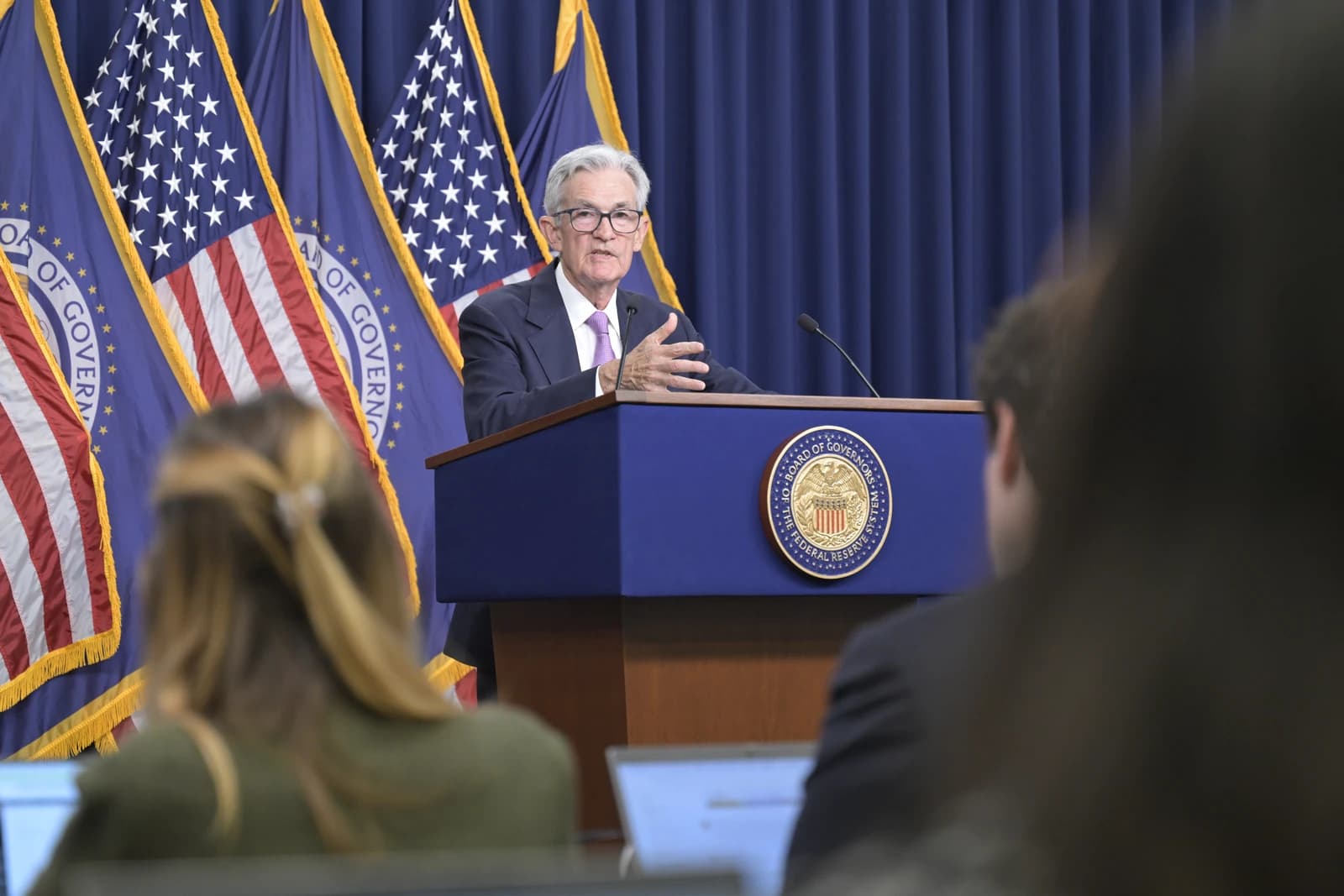
Federal Reserve Chairman Kevin Warsh says artificial intelligence and other emerging technologies could become a powerful engine for U.S. growth — but the same wave of investment could also leave the economy with more unemployment, weaker returns and new risks the central bank will have to think about for years.
AI and Fed Policy Face Growth and Risk Tradeoff
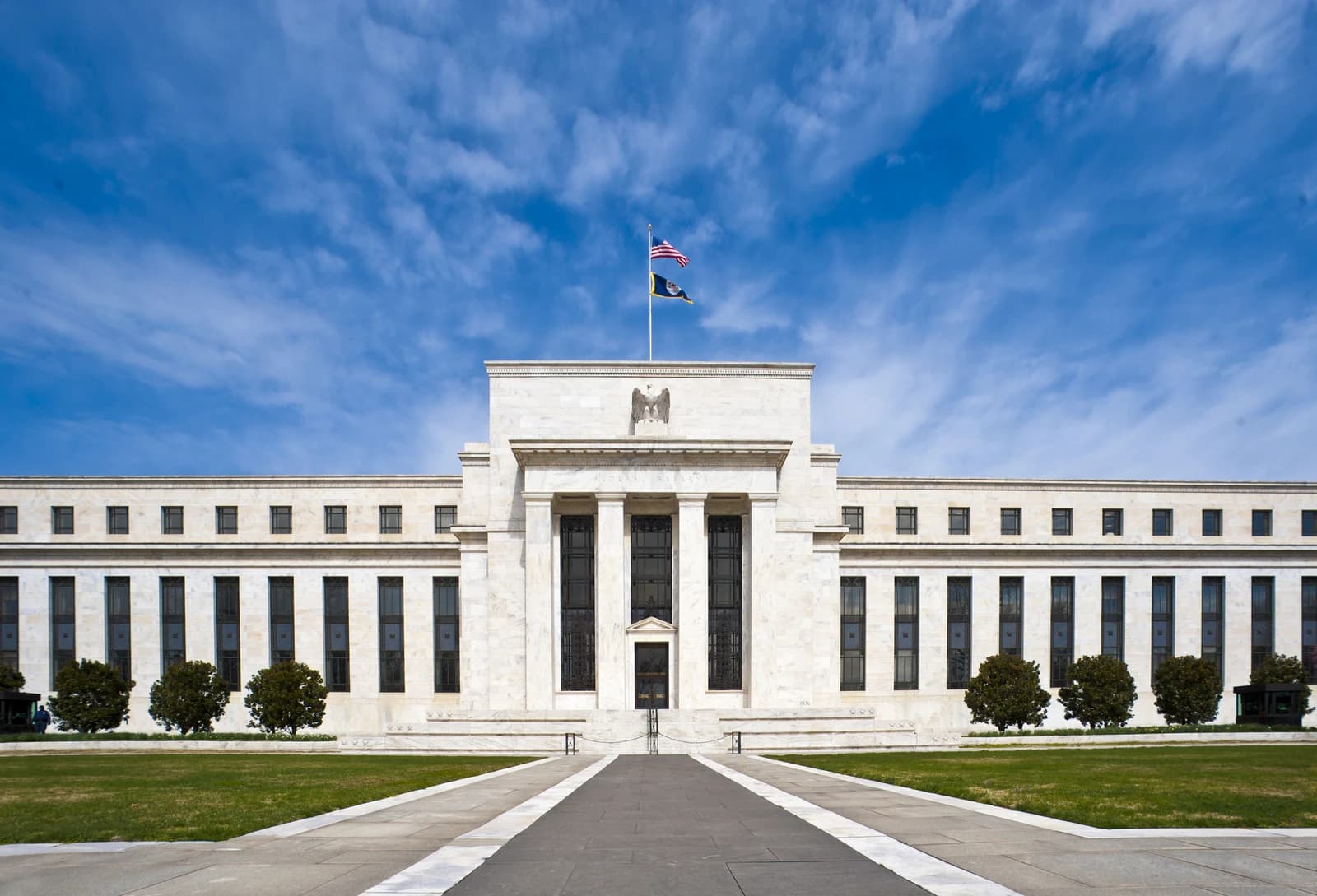
That matters because this is no longer just a Silicon Valley story. If AI boosts productivity broadly, it could help the U.S. economy grow faster without stoking inflation as much, giving the Fed more room to support expansion. If the payoff is delayed or overhyped, though, companies that are spending heavily on chips, data centers and software may be stuck with lower returns, while workers face disruption from automation and the Fed confronts a harder balancing act.
Sentiment Indicators
Artificial Intelligence
Warsh told a Fed conference in San Francisco that the technology could “supercharge idea generation” and eventually deliver a scenario in which “real GDP growth rises persistently above its long-run average” while the U.S. stays near full employment. But he also warned that AI could be “highly disruptive and economically costly,” including through higher unemployment and misuse by “bad actors.”
For investors, that tension is exactly why AI remains both a historic opportunity and a valuation risk. The promise of higher productivity is one reason megacap tech stocks have commanded premium prices, but the market is now also learning that the path from investment to earnings can be uneven. Nvidia, for example, has seen its shares swing sharply this year, with standard technical indicators showing the stock well below its 50-day and 200-day moving averages and its RSI deep in oversold territory after a steep pullback. Microsoft and Apple, meanwhile, remain far above their long-term trend lines, but both are carrying the burden of huge AI spending plans that must eventually justify themselves in cash flow and profit growth.
FEDFUNDS vs INDPRO — macro contextadalytica.com
Explore this data interactively — full history, time series and cross-market comparisons.

The Fed’s interest in AI is not academic. Warsh said the central bank’s role is “neither advocacy nor opposition,” but preparation — a clear signal that policymakers think AI could alter the economy’s supply side, labor market and inflation dynamics in ways that matter for monetary policy. That is especially important at a time when the labor market is still around 4.1% unemployment and industrial production is inching higher, suggesting the economy has room to absorb change, but not without friction.
There is also a regulatory angle investors cannot ignore. Federal Reserve officials have already been flagging AI-related financial-stability risks, while policymakers in California and Australia are moving toward tougher safeguards. Companies at the center of the AI buildout face not only competitive pressure, but also legal, ethical and operational scrutiny that could slow adoption or raise costs.
The long-term takeaway is simple: AI still looks like a secular growth trend, but the winners will be the companies that convert spending into durable earnings power, not just headlines. Investors should keep focusing on free cash flow, return on invested capital and balance-sheet strength, because the biggest gains from AI are likely to accrue over years, not quarters. For patient investors, the technology remains worth watching — and, selectively, worth buying.
| Entity | Gains | Losses |
|---|---|---|
| AI leaders | ▲Higher productivity, broader demand | ▼Greater scrutiny and execution risk |
| Workers | ▲New tools and higher output potential | ▼Job displacement risk |
| Fed policymakers | ▲Better long-run growth outlook | ▼Harder policy decisions |
| AI hardware makers | ▲More infrastructure spending | ▼Slower returns if adoption disappoints |