Democrats are preparing to make AI regulation a defining fight in Washington, setting up a clash over one of the market’s most powerful growth stories just as Big Tech is pouring billions into data centers, chips and power.
Democrats Prepare AI Regulation Bill in Washington

The bill the party plans to introduce would target some of the biggest risks that have accompanied the AI boom: higher electricity bills from data center construction, mandatory third-party safety reviews for frontier AI models and clearer corporate liability when AI causes harm. That matters because the U.S. still has no comprehensive federal framework for advanced AI, leaving companies to navigate a patchwork of state rules and voluntary industry standards.
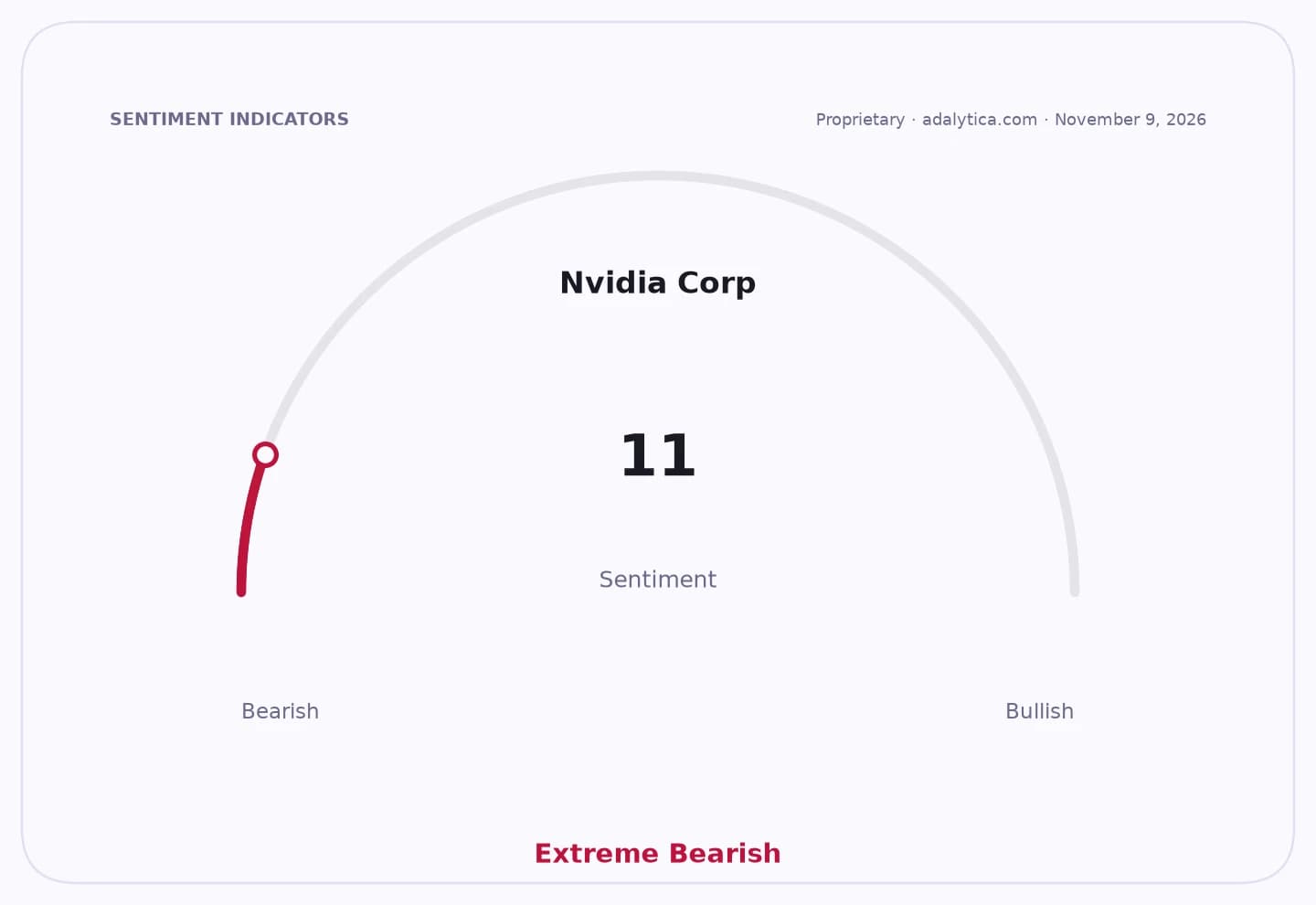
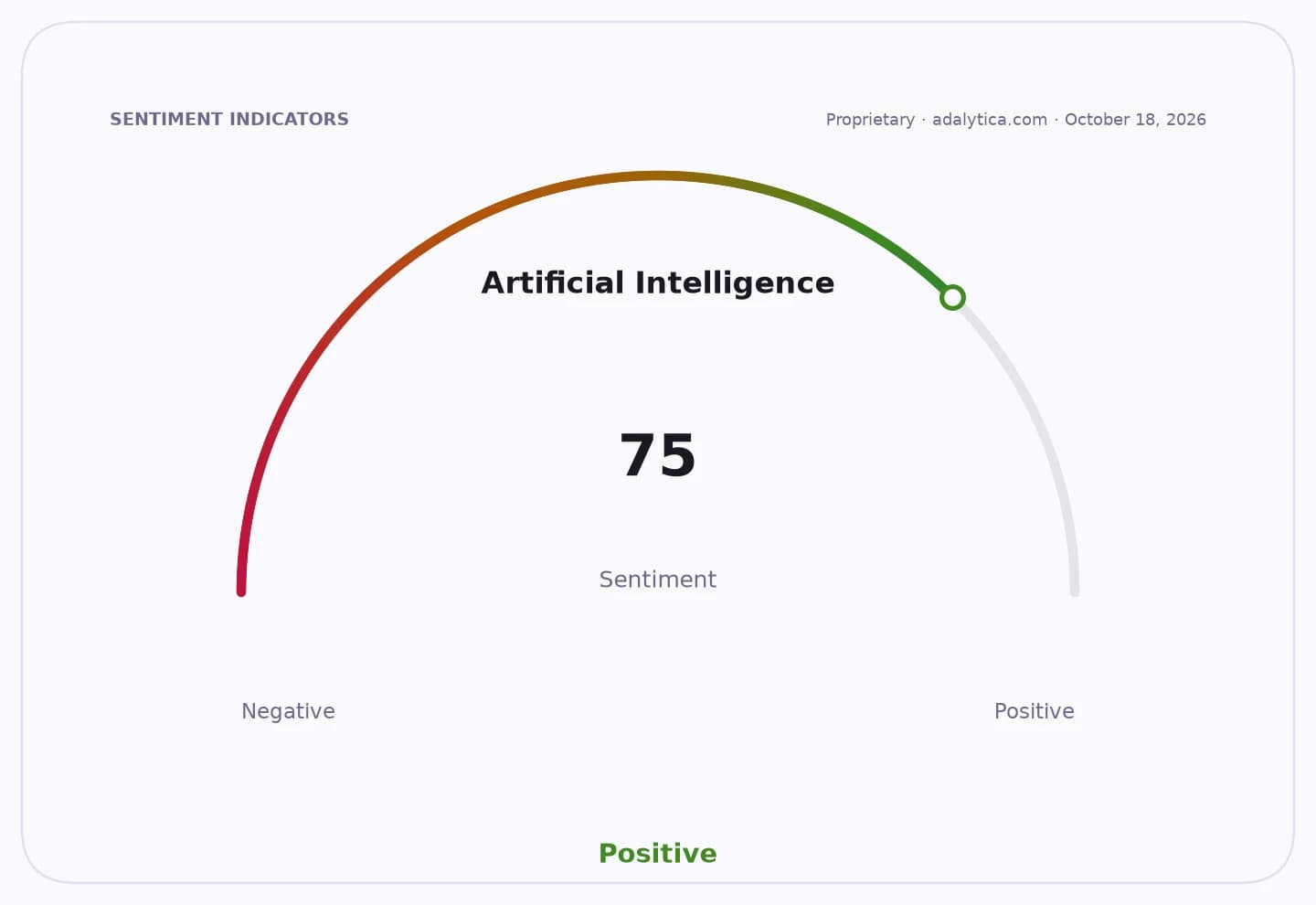
Sentiment Indicators
Nvidia Corp
For investors, the timing is crucial. The Democrats will control both chambers next year, but they are still short of the two-thirds majority needed to override a presidential veto. And President Donald Trump, who has publicly backed AI and is likely to resist new limits, could block the legislation unless Democrats can win Republican support. That makes the bill less an immediate policy change than a negotiating framework that could shape how fast AI infrastructure expands and how expensive compliance becomes.
The economic stakes go well beyond Washington politics. AI is already driving a massive buildout in computing capacity, with companies racing to secure land, power and server supply. Reuters’ reporting points to Democratic concern that the boom is being pushed onto households and utilities through rising power costs, a reminder that AI is not just a software story but an industrial one. If lawmakers succeed in narrowing the scope of the bill to electricity prices and grid impacts, Republicans may be more willing to deal. But if the final package includes strict testing mandates or tougher liability rules, it could slow deployment and raise costs for the largest AI platforms.
Artificial Intelligence
That is why the market will watch names like Nvidia, Microsoft and Amazon so closely. Nvidia remains at the center of the AI hardware trade, but its stock has been under heavy pressure, with the shares sliding to $162.85 on Friday from more than $220 earlier in the quarter. Microsoft and Amazon have held up better, yet both are deeply tied to data center expansion and the power-hungry infrastructure behind AI services. Any sign that Washington is moving toward broader oversight could matter for capex plans, margins and long-term growth assumptions across the sector.
The broader narrative is simple: AI is moving from an unregulated land grab to a more contested public-policy battle. Australia is already moving to create a dedicated AI safety regulator, and the U.S. debate is now catching up with the same central question — how to keep innovation moving without shifting too much of the cost and risk onto the public. For long-term investors, that does not weaken the AI thesis, but it does mean the winners will likely be the companies with the strongest balance sheets, the deepest moats and the most flexible ability to absorb regulation over a multiyear horizon.
| Entity | Gains | Losses |
|---|---|---|
| Democrats | ▲Policy leverage; campaign issue | ▼Fast compromise |
| Trump/Republicans | ▲Veto power; bargaining leverage | ▼Less control over AI rules |
| Big Tech AI leaders | ▲Clearer rules if watered down | ▼Higher compliance costs |
| Utilities/households | ▲Potential electricity relief | ▼Slower data center buildout |