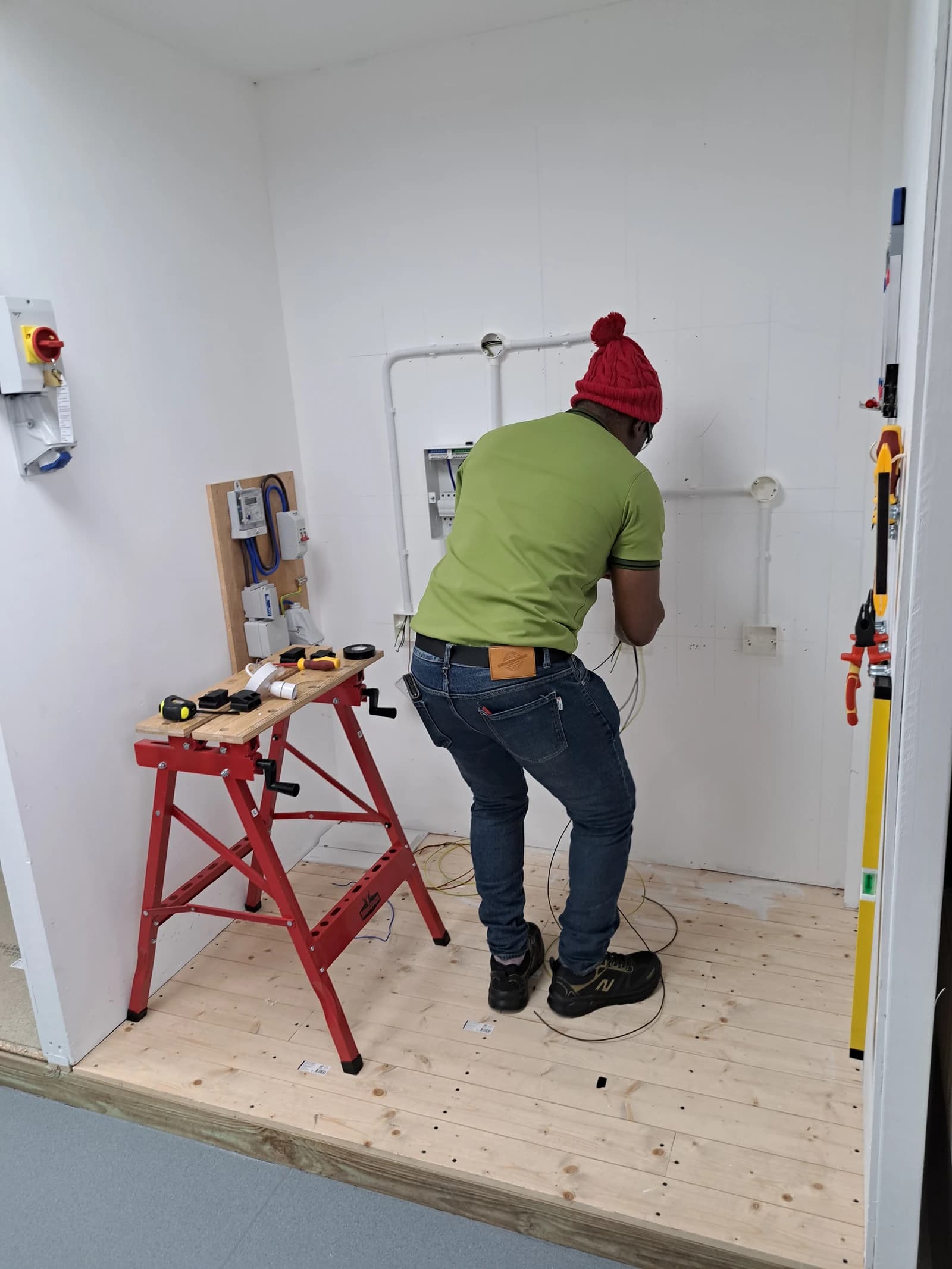
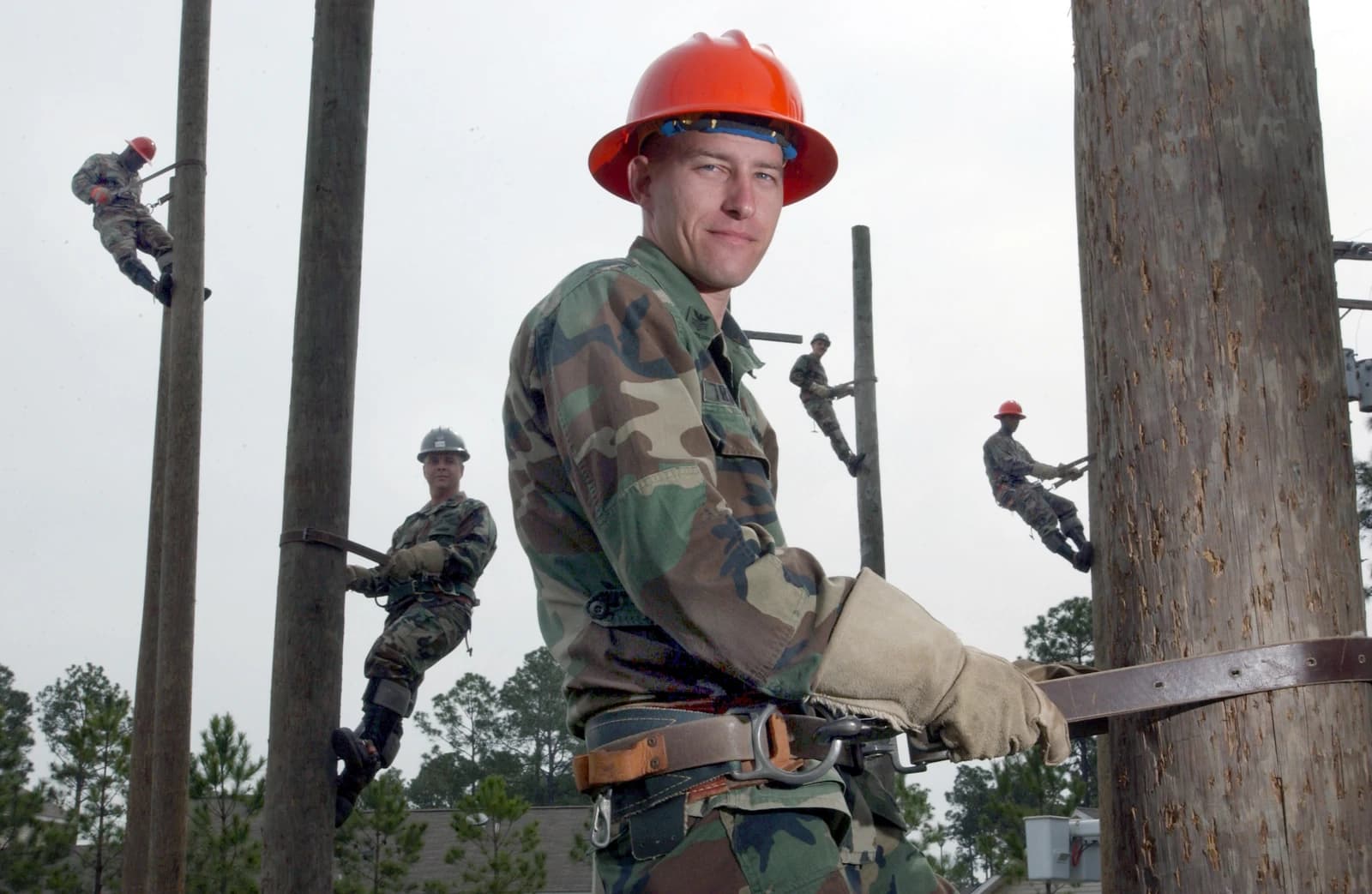
Artificial intelligence is turning into a construction and power boom as much as a software one, and that is why Nvidia chief Jensen Huang says the best-paying jobs may end up being electricians, plumbers and other skilled trades.
Nvidia AI Buildout Boosts Electricians and Plumbers
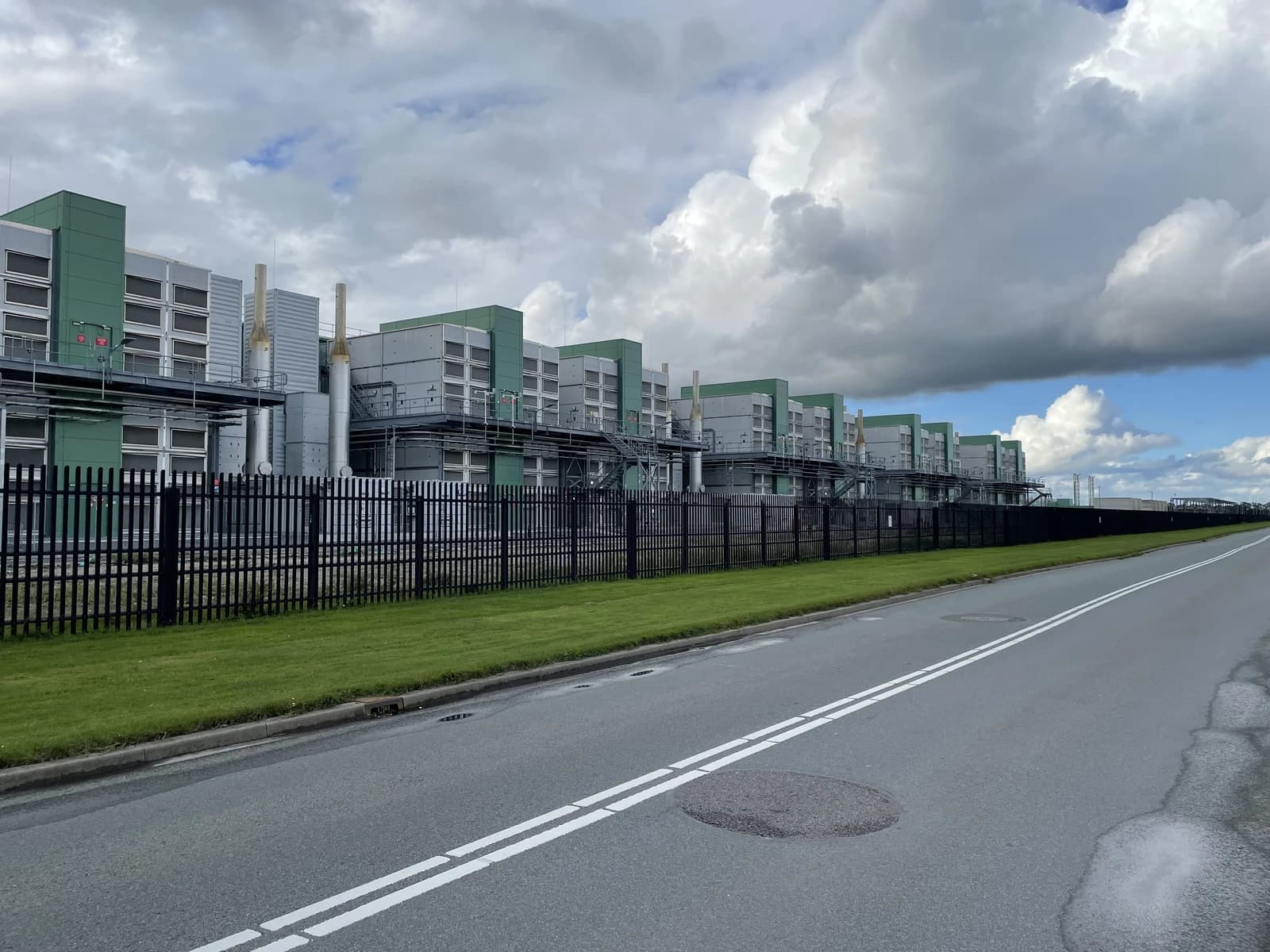
That matters because the AI race is no longer confined to model training and chip design. It is pulling in the real economy — data centers, power plants, transmission lines, cooling systems, fiber networks and the people needed to build and maintain them. For investors, that widens the opportunity set beyond Nvidia itself and toward the industrial, electrical and engineering companies that will help supply the infrastructure behind the AI buildout.
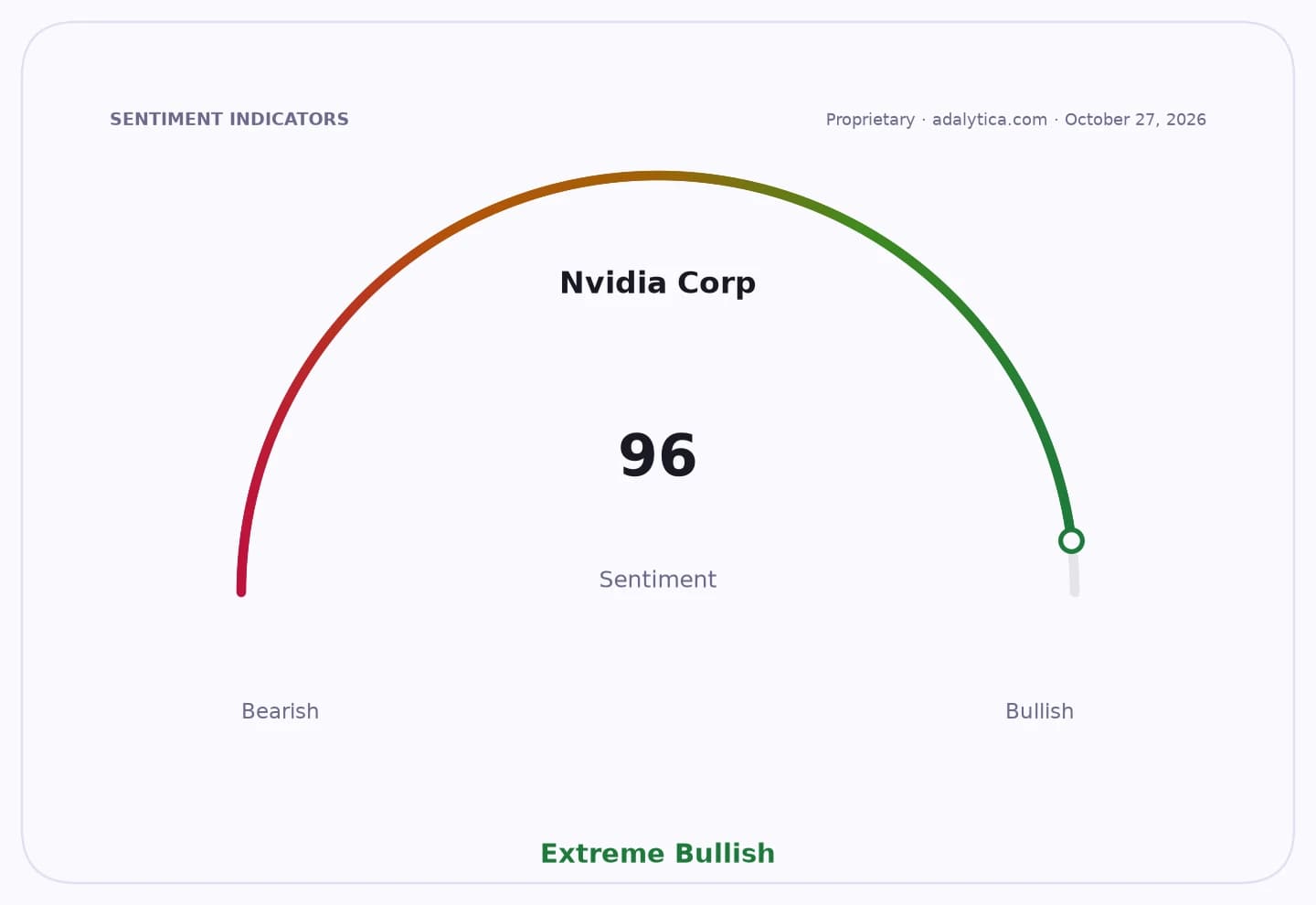
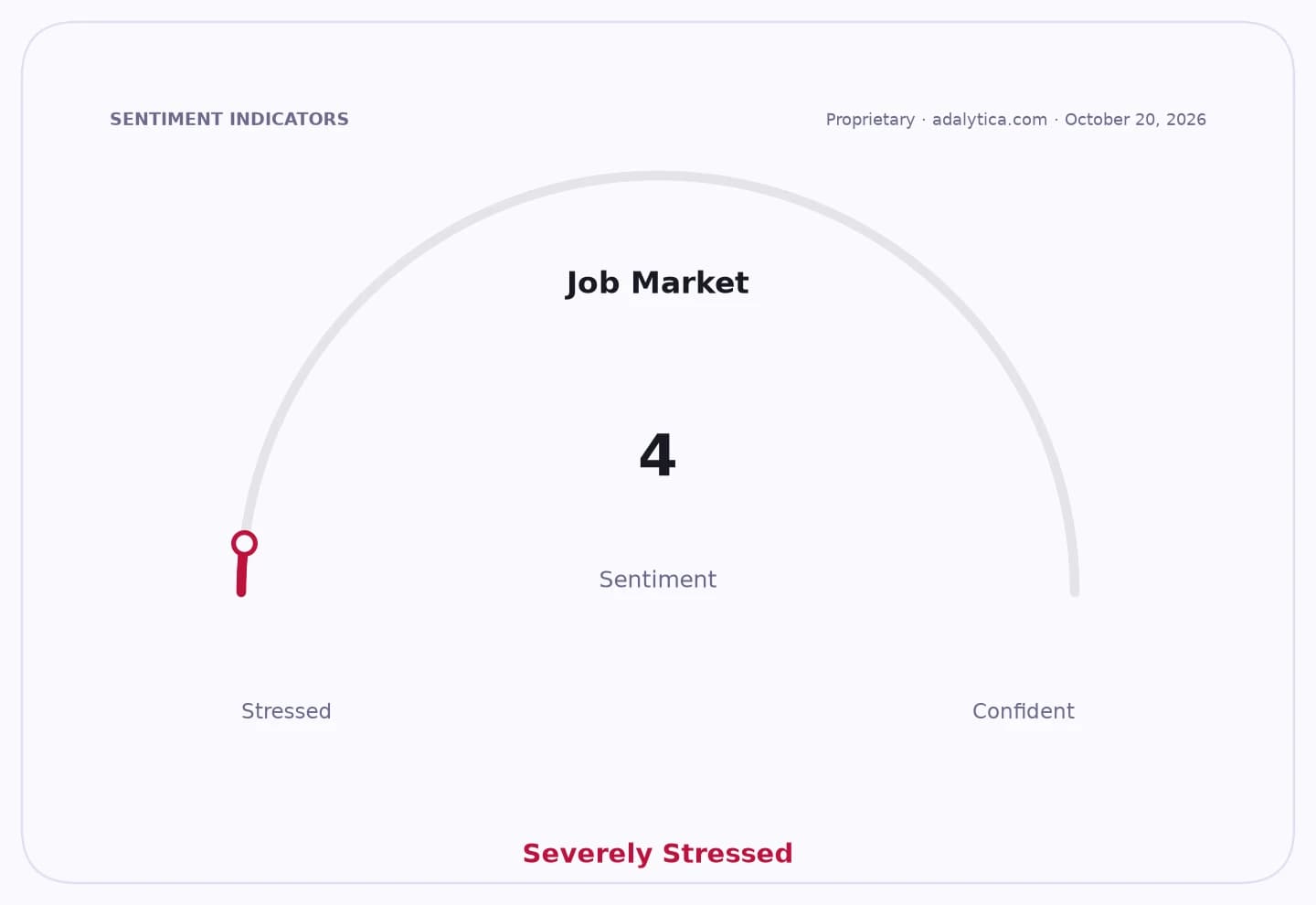
Sentiment IndicatorsⓘProprietary · adalytica.com · October 27, 2026
This is a snapshot — live sentiment, awareness and momentum for 130+ markets update continuously in the dashboard.Open AlphaPulse
Huang made the case in an interview with Channel 4 News, saying Nvidia’s expansion will require “hundreds of thousands” of workers. His point is simple: every new AI facility needs land, concrete, wiring, switchgear, generators, pipes and backup systems before it ever generates a single token. The bottleneck is increasingly physical, not digital.
That is why the job market around AI is evolving in a way many skeptics did not expect. Instead of eliminating blue-collar work outright, the technology is increasing demand for skilled trades tied to construction and project management. Business Insider has reported that the growth of data centers is already lifting employment in electrical work and related specialties, while the Wall Street Journal has described the tech buildout as a potential economic boom for the U.S.
The broader economic signal is clear: AI is becoming a capital-spending cycle. Companies cannot deploy more computing power without first securing electricity, cooling and capacity upgrades, and that means more work for contractors, equipment makers and utilities. In an economy where the unemployment rate remains around 4%, a surge in AI-related infrastructure could tighten labor markets further in skilled trades even as automation pressures some office jobs.
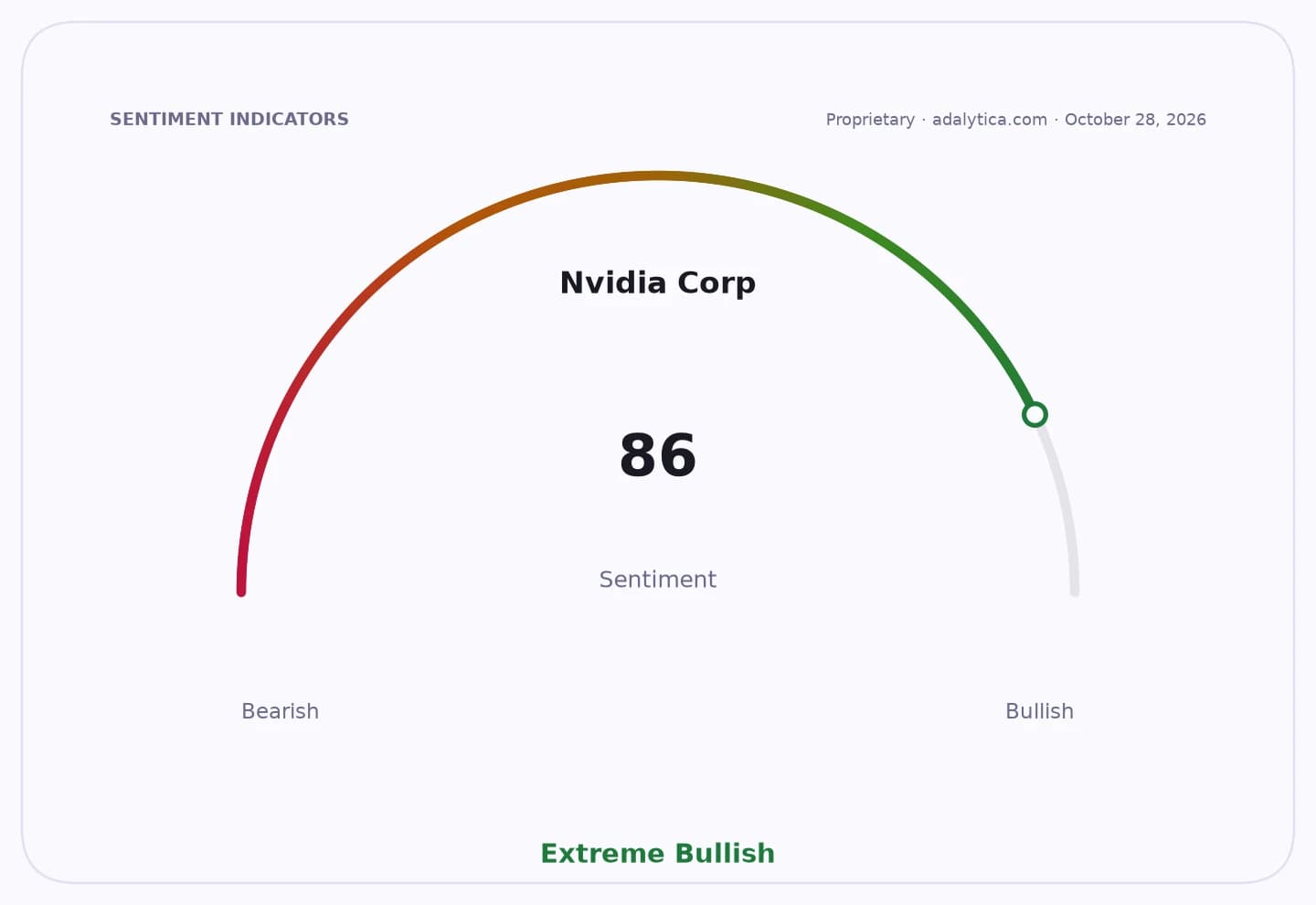
For investors, that creates a very interesting split. Nvidia remains the obvious core beneficiary, and the stock has reflected that enthusiasm, with Adalytica’s Nvidia earnings sentiment gauge showing “Extreme Greed.” But the trade is bigger than one company. Eaton and Rockwell Automation sit closer to the plumbing of the AI economy, supplying power management and industrial automation gear that data centers and factories need. Those kinds of businesses can benefit from a long runway of spending if the AI buildout lasts for years, not quarters.
The message for long-term investors is not that AI is somehow safe for every job or every industry. It is that the winners may be broader than the market first assumed. The most durable opportunity could sit in the picks and shovels of the AI era: electricity, cooling, wiring, industrial controls and the skilled labor to install them.
If you are building a portfolio for the next decade, this is worth watching closely. The AI story is no longer just about chips and software — it is also about power, infrastructure and the companies that keep the whole system running.
| Entity | Gains | Losses |
|---|---|---|
| Nvidia | ▲More demand for AI infrastructure | ▼Higher execution pressure |
| Electricians and plumbers | ▲Stronger wage demand | ▼Labor shortages |
| Eaton / Rockwell Automation | ▲Data-center equipment sales | ▼Slower spending would hurt |
| White-collar routine jobs | ▲— | ▼More automation pressure |