Artificial intelligence is still the biggest long-term force in markets, but the way investors are pricing that revolution is changing fast. Nvidia, Microsoft and Amazon remain at the center of the race to automate more of everything, yet their recent trading shows a market that loves the AI story while demanding proof that the spending boom can turn into durable cash flow.
Nvidia, Microsoft, Amazon and the AI automation trade
That matters because the robot revolution is no longer a concept. It is becoming a capital cycle. Companies across manufacturing, logistics, health care, agriculture and software are pouring money into automation, and that spending is creating winners in semiconductors, cloud infrastructure and AI services. The broader economy gains from higher productivity and lower unit labor costs over time, but the payoff is uneven: companies with scale, data and distribution can compound those gains, while smaller rivals risk being left behind.
The numbers show how quickly robotics is moving from theory to practice. The International Federation of Robotics says 542,000 industrial robots were put into operation worldwide in 2024, a reminder that automation is already embedded in factories and warehouses. Rivian’s acquisition of Third Dimension AI for 3D simulation tools points to the same trend in transportation: before robots and autonomous systems can reshape mobility, they need training grounds that reduce real-world risk.
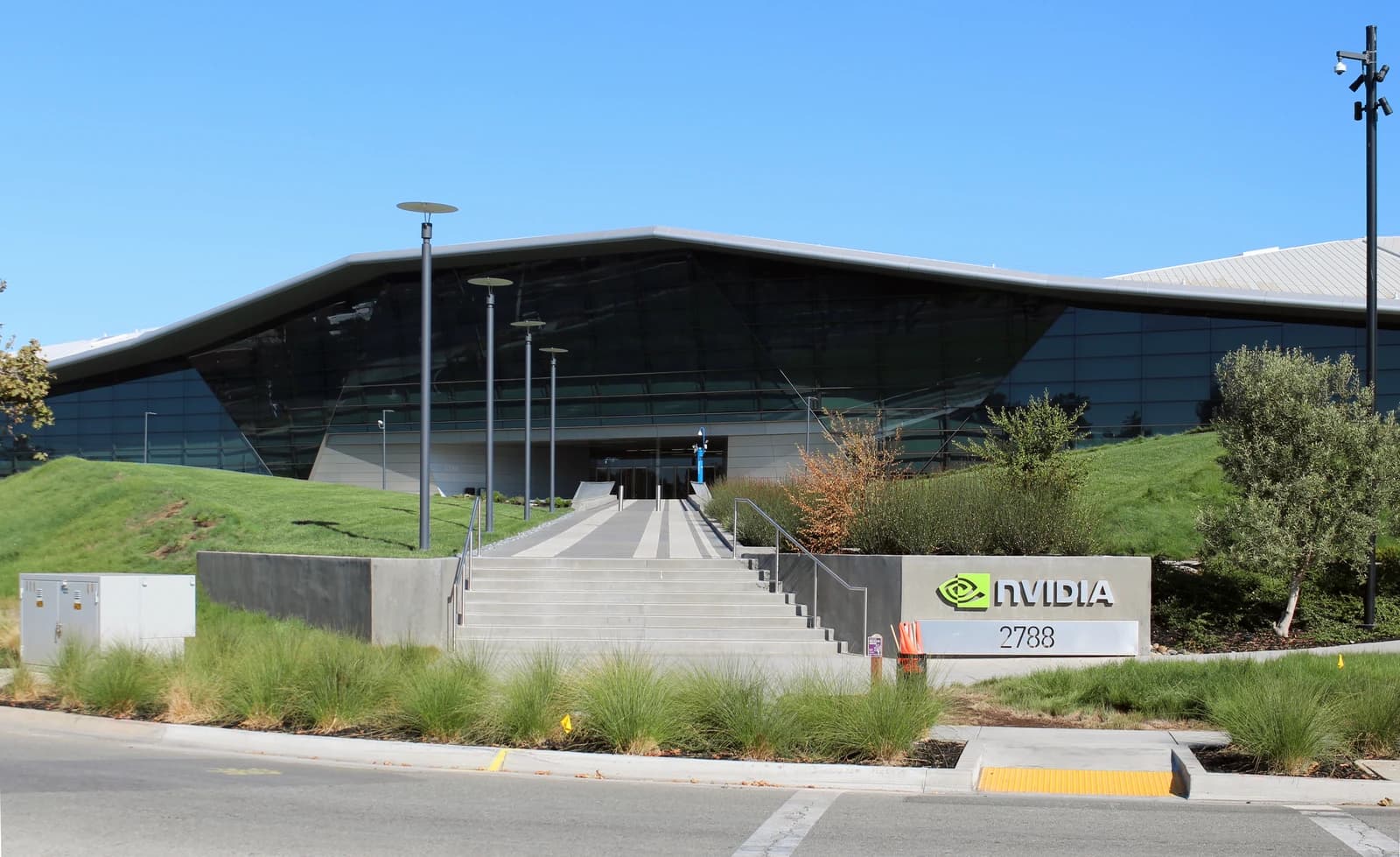
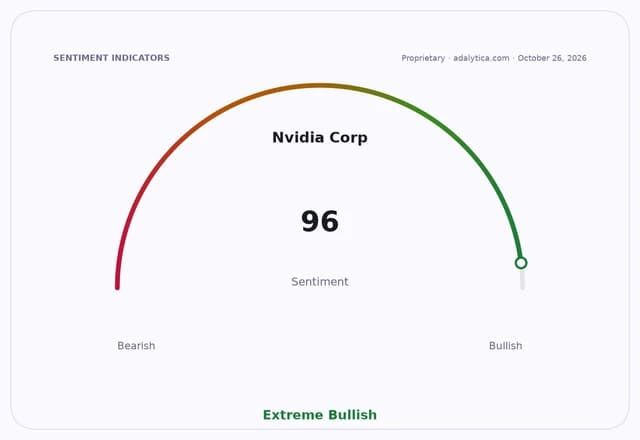
For investors, that is why Nvidia remains such a central stock. Its chips sit in the middle of the AI buildout, and Adalytica’s NVIDIA earnings sentiment is in “Extreme Greed” territory, even as the shares have been volatile. The stock closed at $215.19 on Oct. 26, below its 50-day moving average of $222.20, with an RSI reading of 27.7, a sign the recent pullback has pushed it into technically oversold territory. The long-term case, though, still rests on whether the AI infrastructure wave keeps expanding into robotics, simulation and enterprise automation.
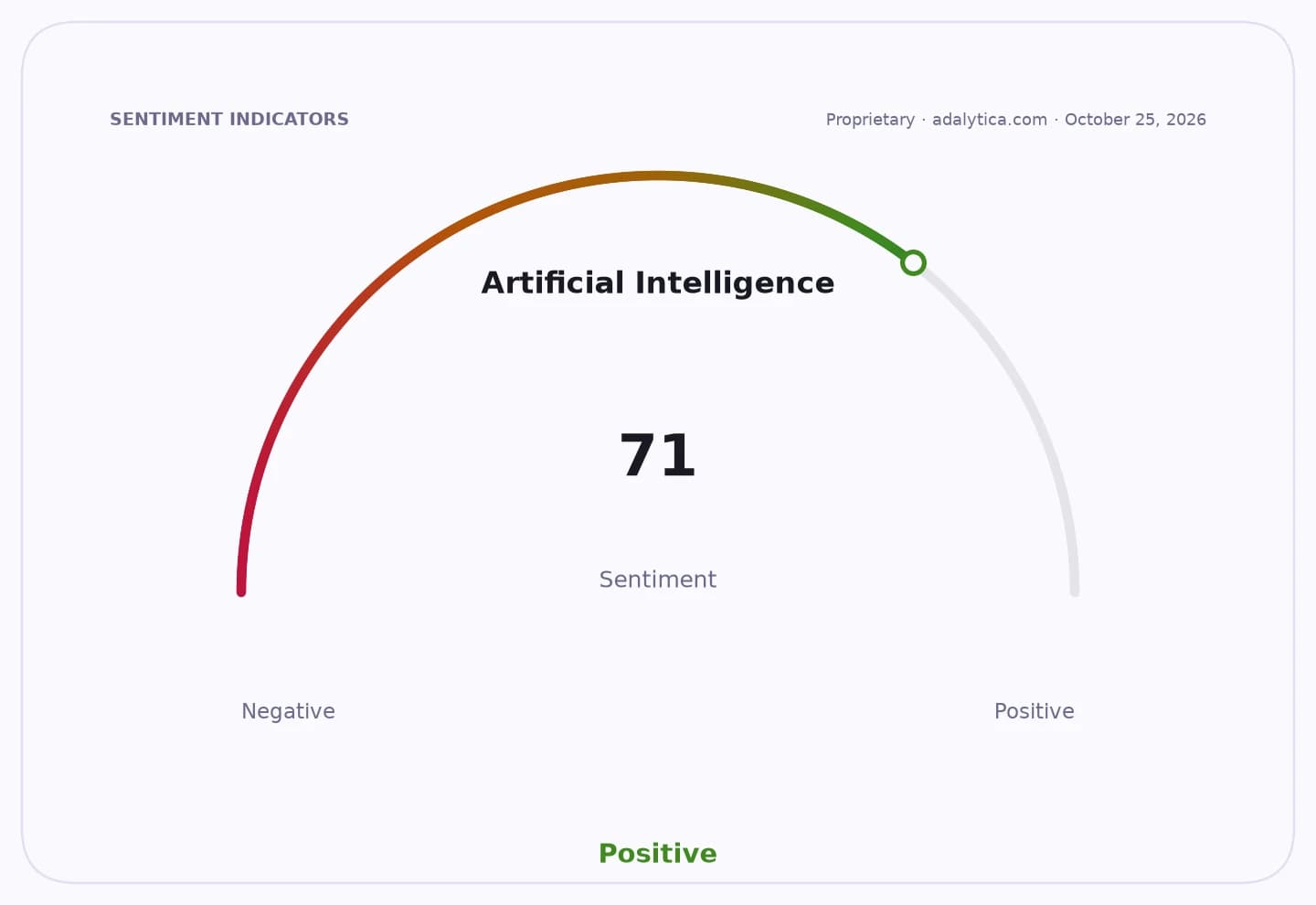
Artificial Intelligence — 30-day sentimentadalytica.com
Explore this data interactively — full history, time series and cross-market comparisons.Open AlphaPulse
Microsoft tells a similar story with a different risk profile. The shares finished at $529.52, just above the 50-day moving average of $509.06 and well above the 200-day average of $435.64, underscoring how investors still reward its AI and cloud positioning. But Microsoft’s own filings warn that AI can bring legal liability, regulatory action and competitive harm if systems fail or data use draws scrutiny. That is the right lens for long-term investors: the upside is enormous, but the winners will be the firms that can scale responsibly.
Amazon is another beneficiary of the robot revolution, though its role is easier to overlook. Automation in warehouses, logistics and cloud computing gives the company multiple ways to monetize AI without needing every project to be a headline-grabbing breakthrough. Its stock ended at $248.77, below the 50-day moving average of $255.37, while the 200-day average of $243.31 shows the shares are still trading near a longer-term support zone. For investors, that is a reminder that AI exposure does not stop at chipmakers; it extends to the companies that run the digital and physical infrastructure of commerce.
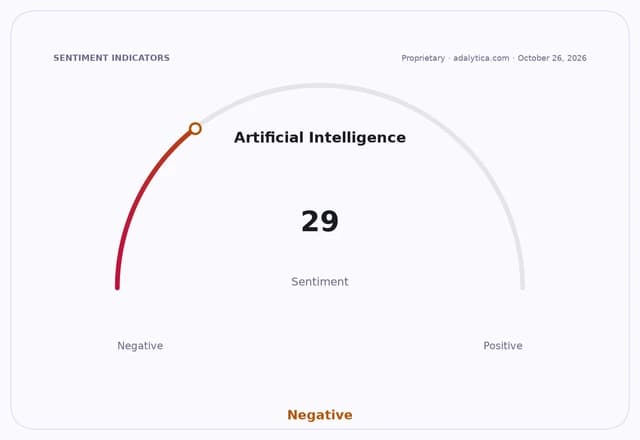
The catch is that AI is no longer being bought on promise alone. Sentiment around the broader AI trade has cooled sharply, with Adalytica’s AI sentiment falling to 29, or “Fear,” from much stronger readings earlier in the month. That lines up with a market that is beginning to differentiate between real adoption and expensive hype. In other words, the robot revolution is still on, but the easy money phase may be over.
That should not scare long-term investors away. It should sharpen their focus. The most durable returns are likely to come from businesses that turn automation into recurring demand, higher margins and stronger free cash flow. That means owning the picks-and-shovels suppliers, the cloud platforms, and the software layers that help robots learn, navigate and work safely alongside people. It also means staying diversified and thinking in years, not weeks.
The bigger lesson is simple: AI is not replacing the economy, it is rewiring it. The companies that help machines see, think, simulate and act will shape the next decade of productivity growth. For investors, Nvidia, Microsoft and Amazon are still worth watching closely — and for patient shareholders, the robot revolution remains a compelling long-term theme.
| Entity | Gains | Losses |
|---|---|---|
| Nvidia | ▲AI chip demand | ▼Oversold traders |
| Microsoft | ▲Cloud and AI monetization | ▼Regulatory skeptics |
| Amazon | ▲Automation efficiency | ▼Labor-cost-sensitive rivals |
| Smaller competitors | ▲Niche opportunities | ▼Scale disadvantage |