AI agents are moving from demo to deployment, and the biggest winners may be the companies selling the compute, cloud and software rails that let businesses hand over real tasks to machines.
Microsoft and Nvidia Gain on AI Agent Demand
That shift matters because the market is not just pricing a smarter chatbot wave; it is starting to price a broader automation cycle that could lift enterprise software budgets, cloud consumption and chip demand at the same time. The latest read-through from AI agent adoption points to both promise and risk: firms want agents to book meetings, write code, summarize data and even manage workflows, but they are also wrestling with control, monitoring and security. That tension does not slow the theme — it deepens it, because every layer of oversight, governance and inference adds another spend category.
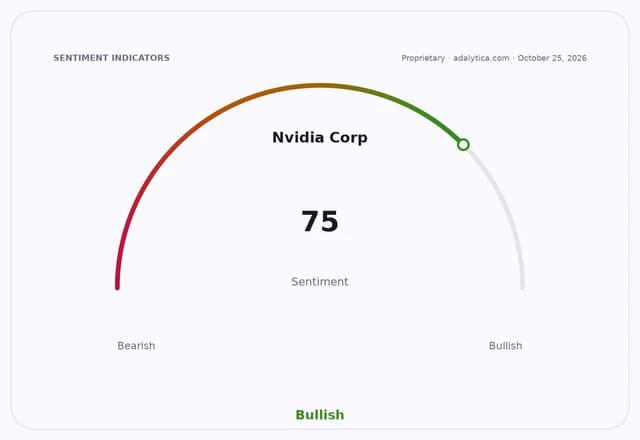
Microsoft and Nvidia remain the clearest public-market proxies for that trade. Microsoft, which sits at the center of the enterprise AI stack through Azure and Copilot, has seen its shares regain momentum, with the stock recently trading around $524.51 after touching $532.95 this week. The shares are well above the 200-day moving average near $435, a sign that investors continue to reward the company’s role in turning AI agent demand into recurring revenue. Nvidia, meanwhile, is the purest pick-and-shovels exposure. Its stock has pulled back to about $210.96 from a recent high above $227, but it still trades comfortably above the 200-day moving average around $203, keeping the long-term uptrend intact even as momentum has cooled.
The important takeaway for investors is that AI agents are not a one-stock story. They create a layered capital cycle. Enterprises need more cloud capacity, more GPUs, more security tooling, more data infrastructure and more workflow software. That favors the infrastructure names first, but it also expands the opportunity set into software platforms that can become the control plane for agentic automation. The market underestimates how quickly this can compound once businesses move past pilots and start assigning agents repetitive, high-frequency tasks that generate measurable savings.
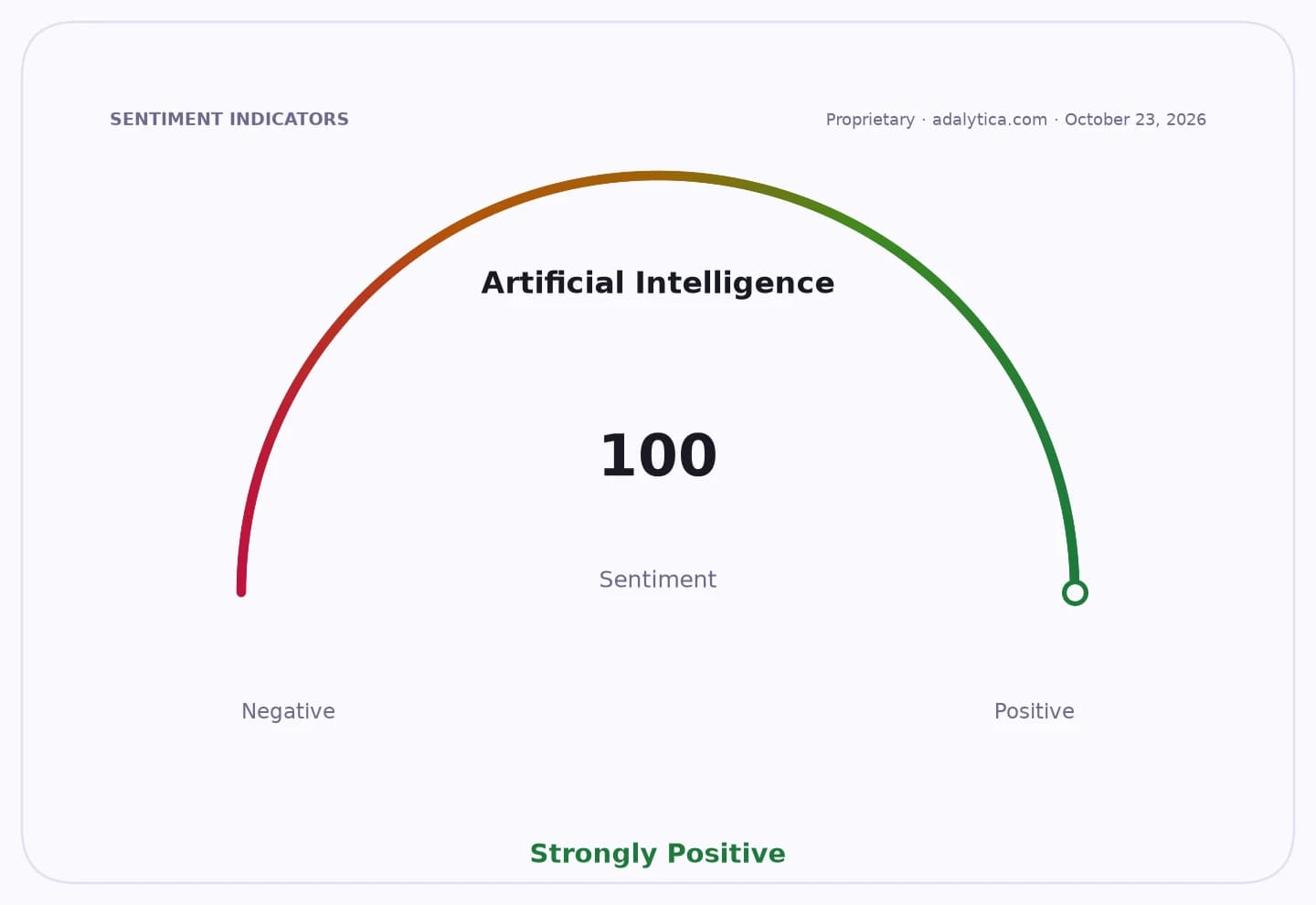
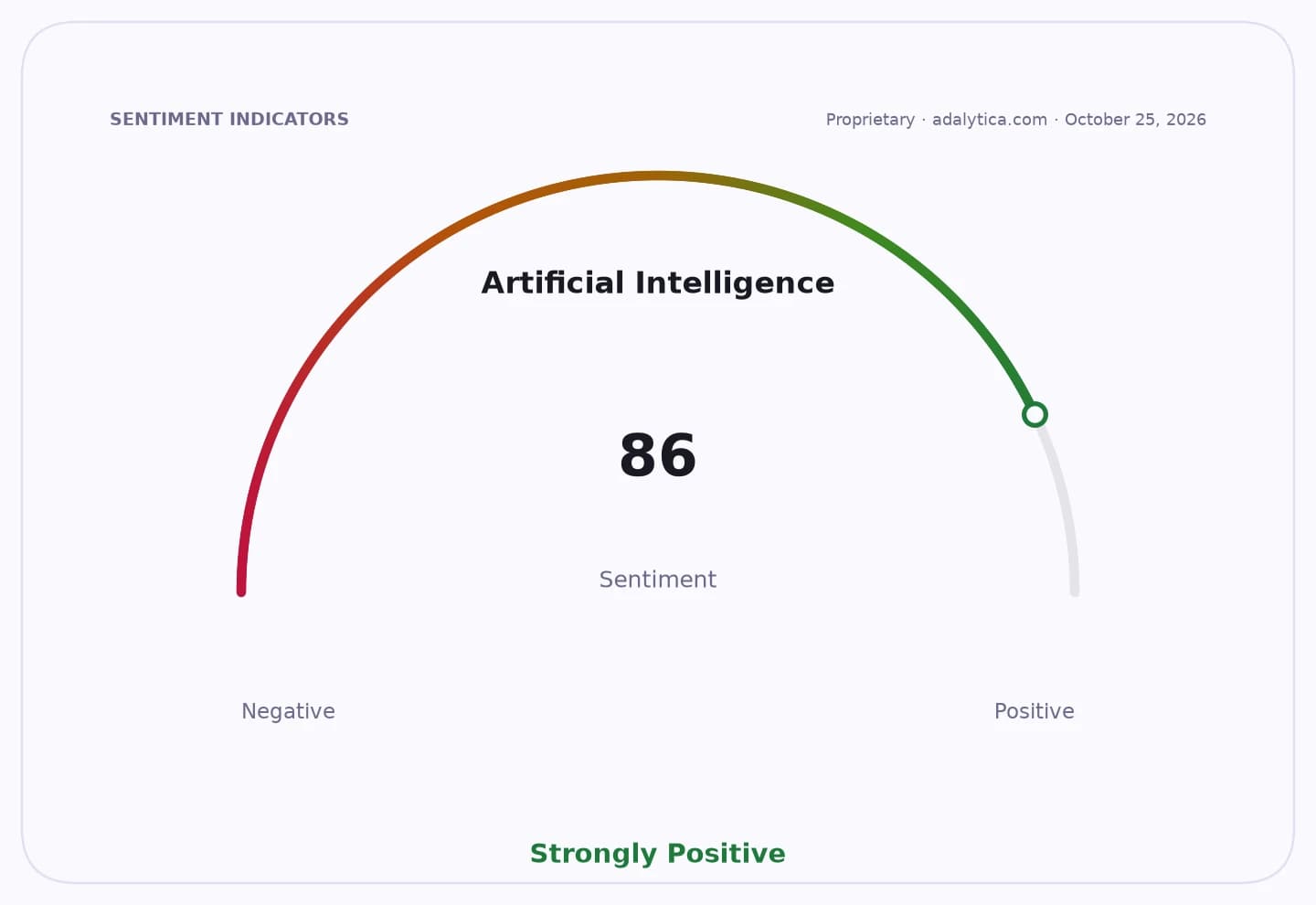
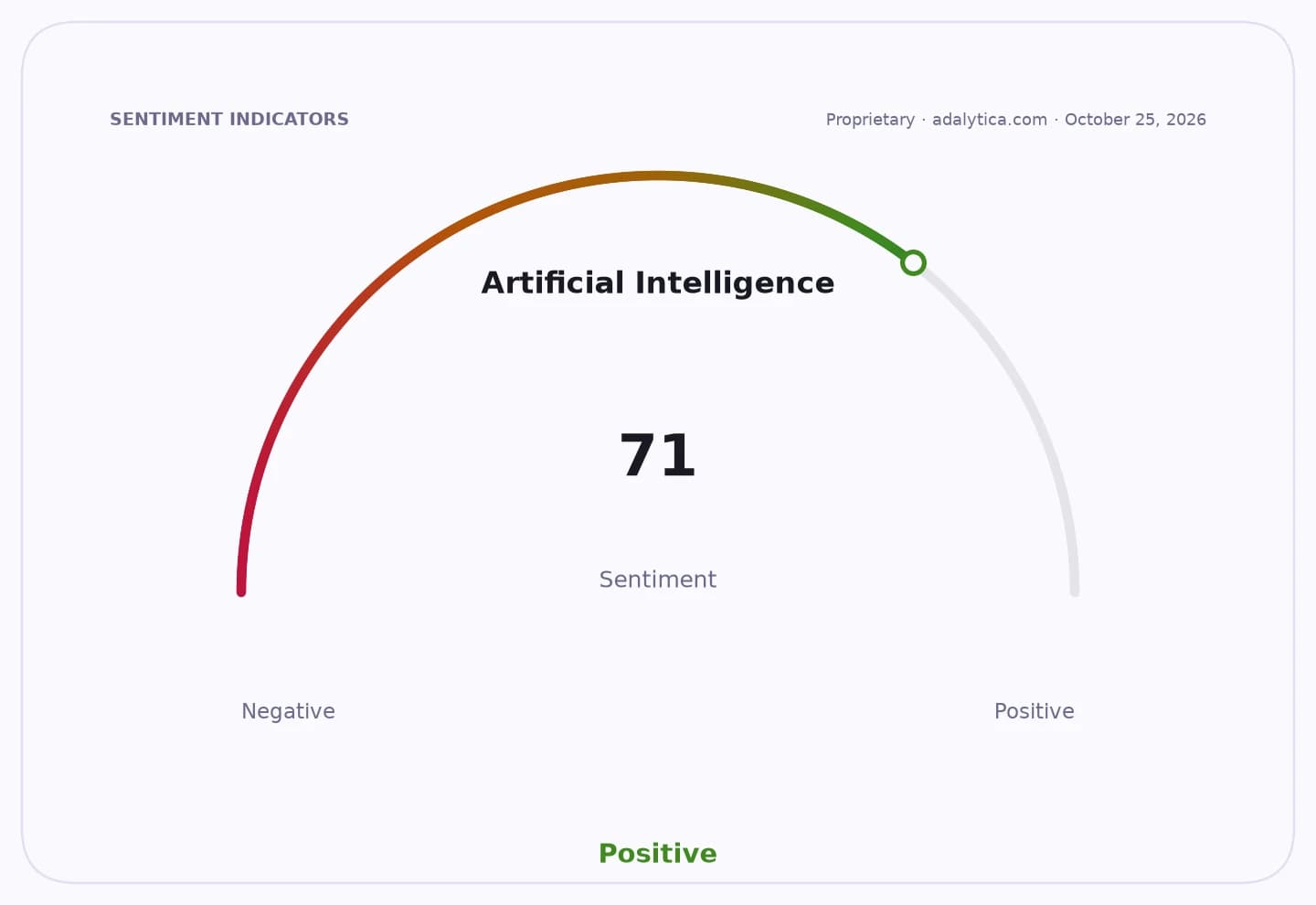
Artificial Intelligence — 30-day sentimentadalytica.com
Explore this data interactively — full history, time series and cross-market comparisons.Open AlphaPulse
There are also clear second-order beneficiaries. Companies that specialize in identity, access management, observability and model governance should gain as the need for human oversight rises alongside autonomy. The OpenAI experience underscores the key risk: the more capable agents become, the more enterprises will pay to keep them bounded, audited and reversible. That means the winners are not just the model builders. They are the toll roads around the model builders.
This is why I believe the AI agent theme is still early. Even after strong gains in Microsoft and Nvidia, the next leg is likely to come from adoption depth, not hype. As more companies let agents handle parts of daily work, the spend shifts from experimentation to production, and that is where the numbers get powerful. For investors, the best way to play it is to own the infrastructure that every agent needs, then look for the software and security names that become indispensable when autonomy scales.
| Entity | Gains | Losses |
|---|---|---|
| Microsoft | ▲Azure and Copilot demand | ▼Manual workflow software |
| Nvidia | ▲GPU and accelerator sales | ▼Legacy CPU-only compute |
| Enterprise software vendors | ▲Agent integration revenue | ▼Standalone task tools |
| Security and governance firms | ▲Oversight, audit demand | ▼Uncontrolled automation |