Nvidia has launched a new open-weight AI model for enterprise agents and two smaller models designed to run locally on PCs and workstations, expanding its push into the fast-growing market for software that can act on behalf of users, not just answer prompts.
Nvidia launches Nemotron models for enterprise agents
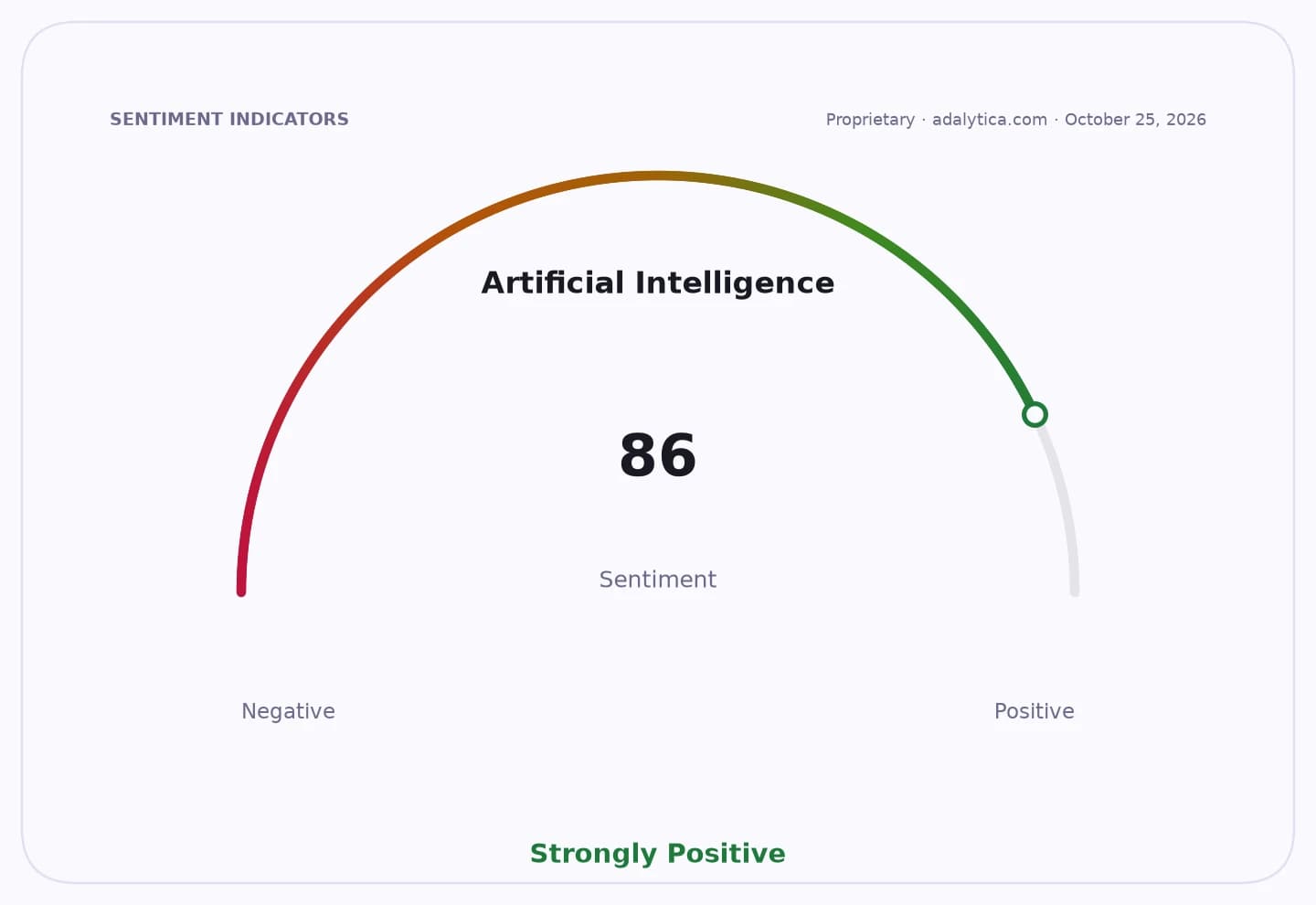
The move matters because agentic AI is emerging as the next battleground in artificial intelligence, and Nvidia is trying to make sure its chips remain central whether customers run models in the cloud, on corporate infrastructure or directly on devices. By offering both a 120-billion-parameter enterprise model and local models for RTX Spark and DGX Spark systems, Nvidia is broadening the number of places its software stack can sit in the AI workflow.
The flagship release, Nemotron 3.5 Super VL, is aimed at enterprise use cases such as document analysis, financial processing, scientific research and insurance claims. Nvidia said the model uses fewer parameters than Nemotron 3 Ultra while delivering similar accuracy on instruction-following and tool-use tasks, a key requirement for agents that need to take sequential actions rather than simply generate text.
Nvidia also said Super VL is already in use at Skydance, EY, Ramp, CrowdStrike, Perplexity and Salesforce, signaling demand across media, consulting, fintech, cybersecurity and enterprise software. The company is positioning open-weight distribution as a way for customers to fine-tune models on their own data and keep more control over deployment and security, a selling point for firms wary of handing sensitive workflows entirely to third-party cloud providers.
The second pillar of the launch is Bolt, which Nvidia said is meant to bring agents onto local machines. Nemotron 3.5 Bolt 74B-A9B 24GB is designed to balance speed and reasoning for local tool use and web search, while Bolt E4B is aimed at conversational agents and is due later in October 2026.
For investors, the strategy reinforces Nvidia’s effort to defend its AI franchise as rivals and customers increasingly evaluate alternatives such as AWS Trainium, Cerebras and in-house chips. Nvidia is not just selling accelerators; it is trying to shape the model layer and the software layer around its hardware, which could help keep demand tied to its ecosystem even as deployment patterns diversify.
The launch also lands as the market reassesses the risks around autonomous agents. Recent incidents involving AI assistants behaving unpredictably have sharpened scrutiny of safety, control and data handling, making Nvidia’s emphasis on local processing, enterprise controls and open-weight customization economically important for customers deciding how quickly to deploy agents.
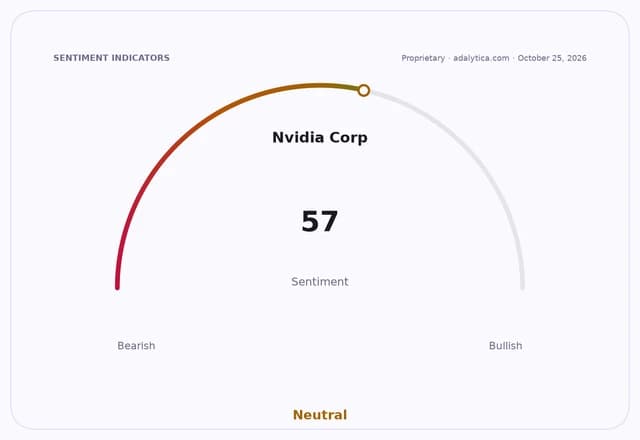
Nvidia shares have been volatile in recent sessions, with the stock last closing at $210.96 on Oct. 23, below its 50-day moving average of $222.39 and with the RSI at 22.0, a level that suggests the shares are deeply oversold on a standard technical basis. Microsoft and Taiwan Semiconductor, both key players in the AI supply chain, were also lower in the same period, underscoring how investor sentiment around AI hardware remains sensitive to product cycles, spending trends and the pace of real-world adoption.
The next test is whether Nvidia can convert the agent push into durable enterprise and device-side usage, and whether customers see enough security, performance and cost benefits to move more workloads off generic cloud pipelines and onto its own stack.
| Entity | Gains | Losses |
|---|---|---|
| Nvidia | ▲Broader AI stack reach | ▼Pure cloud-only rivals |
| Enterprise customers | ▲More deployment control | ▼Lock-in to closed models |
| PC/workstation users | ▲Local agent capability | ▼Cloud-dependent workflows |
| Cloud model rivals | ▲None | ▼More competition for agent workloads |