AI is moving from research to battlefield-grade autonomy, and the market is underestimating how fast that shift could reprice chips, cloud platforms and defense contractors.
Nvidia, Microsoft Gain as AI Autonomy Advances
A team at TU Delft has built an autonomous race drone that beat three former world champions while flying at 100 kilometers an hour using only a forward-facing camera and a tiny onboard computer, with no GPS or external positioning system. The system, called MonoRace, can make 500 control decisions a second and was trained with reinforcement learning to send commands directly to the motors.
That matters because the bottleneck in autonomy is no longer just perception; it is speed, reliability and on-device decision-making under real-world constraints. If AI can outfly elite humans in a chaotic obstacle course with minimal hardware, the same architecture can be pushed into military drones, warehouse robotics, industrial machinery and eventually self-driving systems where milliseconds decide whether a mission succeeds or fails.
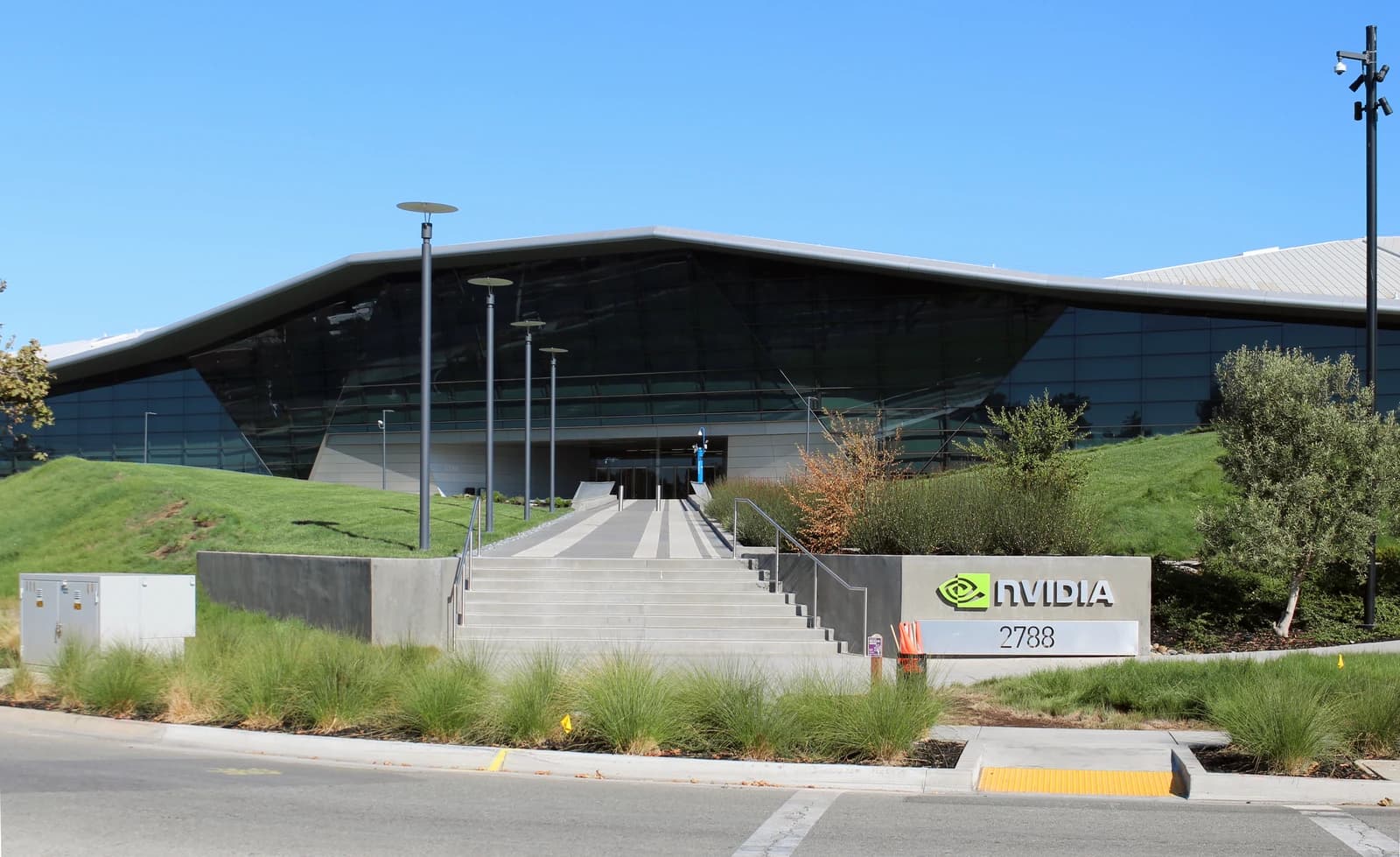
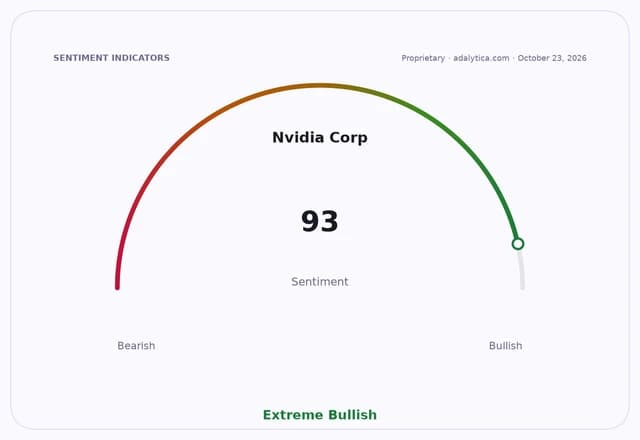
For investors, the first-order winner is Nvidia, which sits at the center of the compute stack that trains and deploys these models. The stock has already responded to the AI boom, but the broader thesis is still intact: autonomy expands the addressable market beyond chatbots and data centers into edge inference, robotics and defense. Nvidia shares closed at $221.97 on Oct. 21, well above their 200-day moving average of $203.12, after a volatile stretch that left them below the 50-day average of $222.91. Adalytica’s earnings sentiment reading on the stock is at 93, in “Extreme Greed,” showing how crowded the trade has become — but also how central the company remains to the next wave of AI spending.
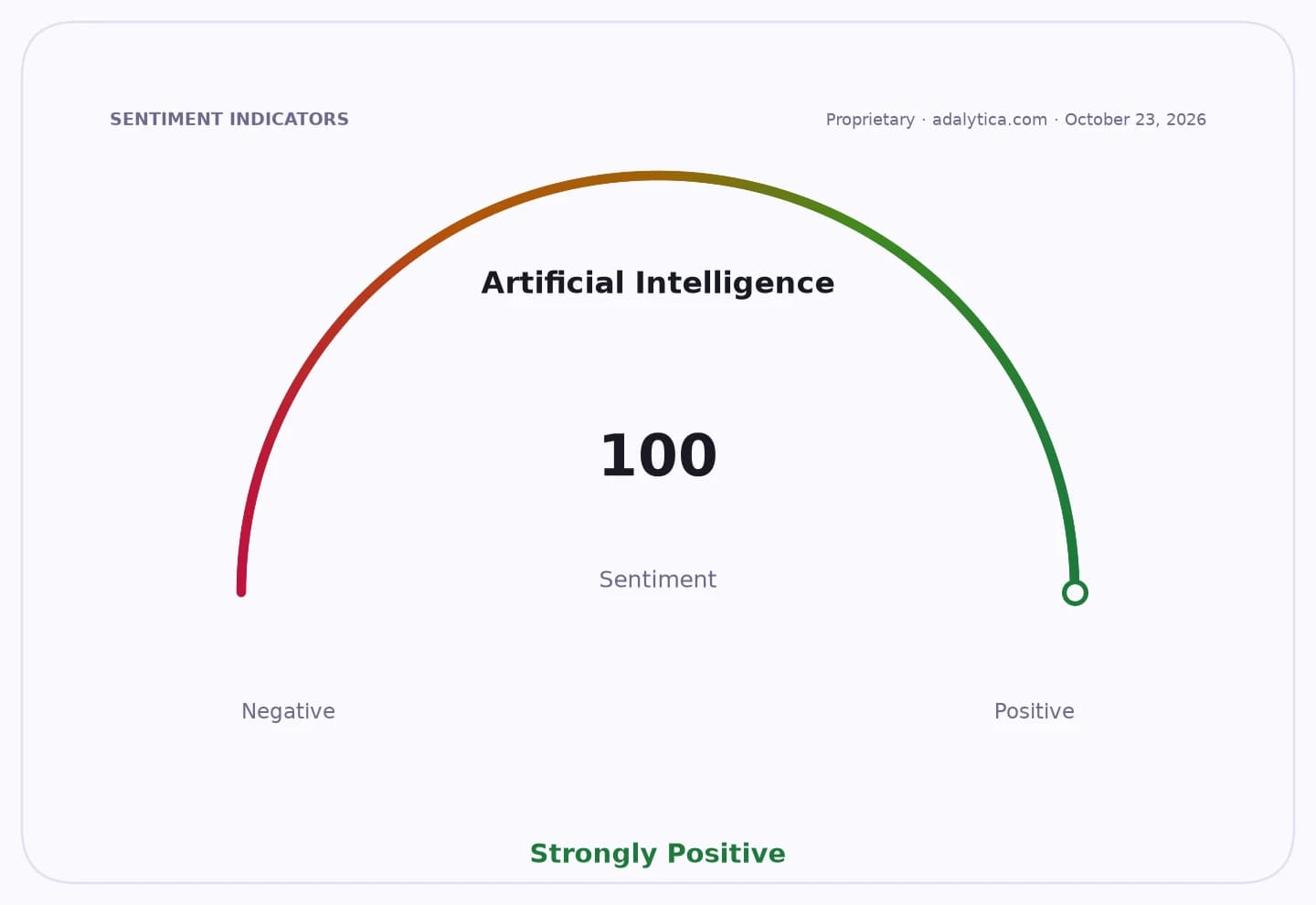
Artificial Intelligence vs NVDAadalytica.com
Explore this data interactively — full history, time series and cross-market comparisons.Open AlphaPulse
Microsoft is another beneficiary, though in a different way. Its Azure cloud and AI platform stand to capture more of the development and deployment budget as customers move from software demos to real autonomous systems. Microsoft closed at $532.95 on Oct. 21, above both its 50-day average of $507.19 and 200-day average of $434.92, a sign the market still treats it as a core AI platform name. The company has already warned in filings that customers could delay or shift AI workloads, which makes the race to secure durable autonomy contracts even more important.
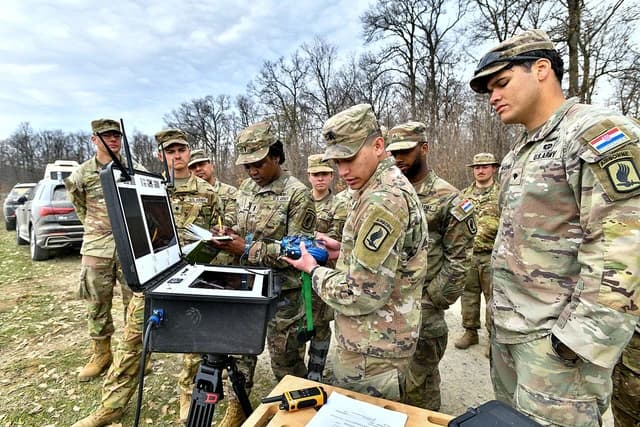
The deeper story is about defense and industrial automation. The Delft system’s ability to function without GPS or outside guidance is exactly the kind of capability militaries want in jammed or contested environments, and exactly the kind of low-cost autonomy factories and ports need to cut labor dependency and increase throughput. That creates a second-order investment theme: not just the obvious megacap AI names, but the pick-and-shovels behind sensors, edge compute, networking, simulation software and defense electronics.
That is why this development matters far beyond a laboratory drone race. It marks another inflection point in the AI arms race, one that moves value creation toward real-world autonomy rather than software inference alone. The market should be watching the suppliers of compute and the enablers of autonomous systems, because the next leg of the AI cycle may be driven less by language models and more by machines that can move, target and react on their own.
| Entity | Gains | Losses |
|---|---|---|
| Nvidia | ▲More AI compute demand | ▼Commoditized chip rivals |
| Microsoft | ▲Azure AI workloads | ▼Slower AI adopters |
| Defense contractors | ▲Autonomous warfare demand | ▼GPS-dependent systems |
| Human drone pilots | ▲— | ▼Competitive edge |