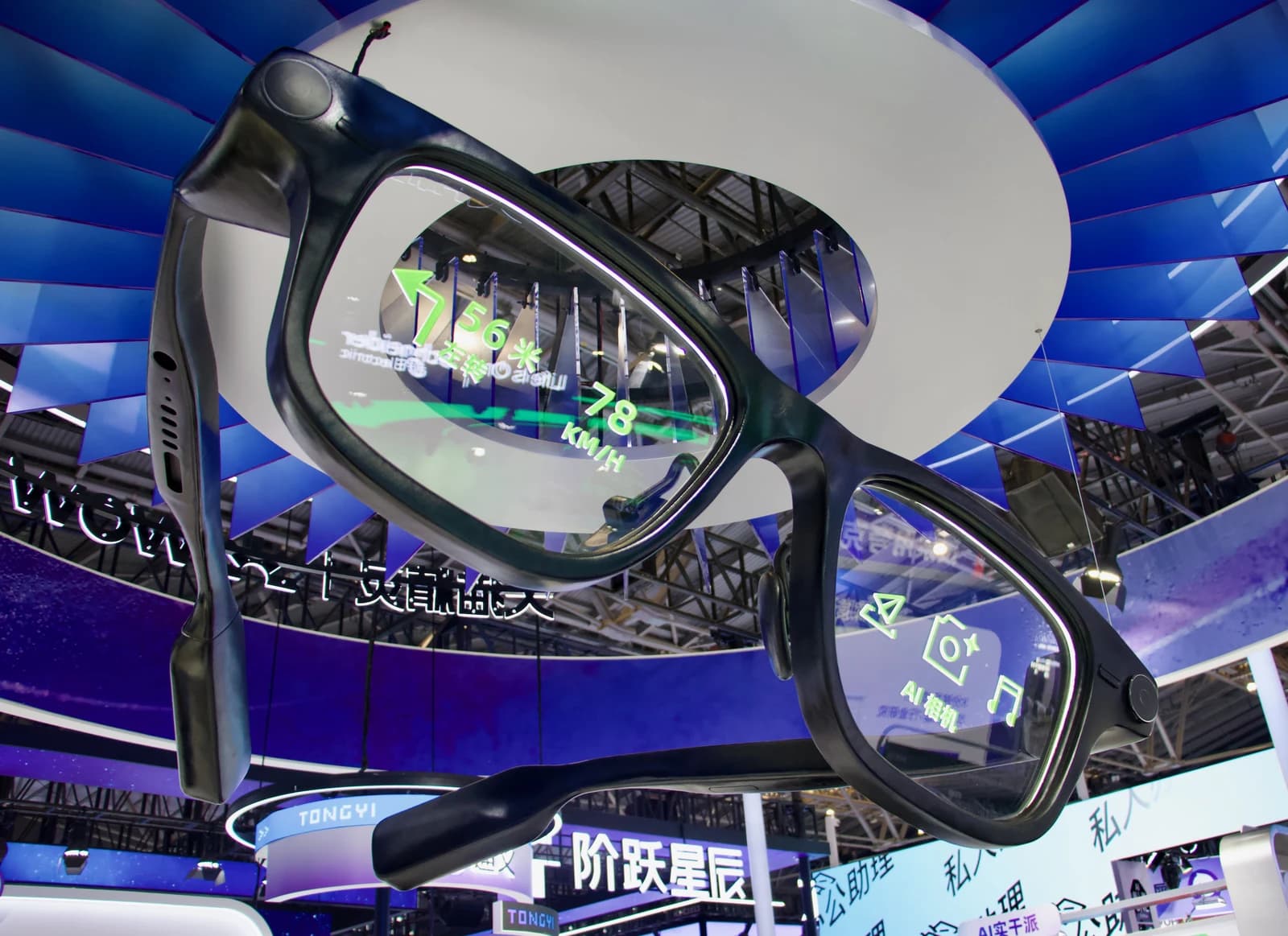
Microsoft and Nvidia are betting that one of the biggest next phases of artificial intelligence will happen away from the data center and inside the personal computer, a shift that could reprice the entire AI stack from cloud providers to chipmakers and PC makers.
Microsoft and Nvidia Push AI PCs With Surface Laptop Ultra
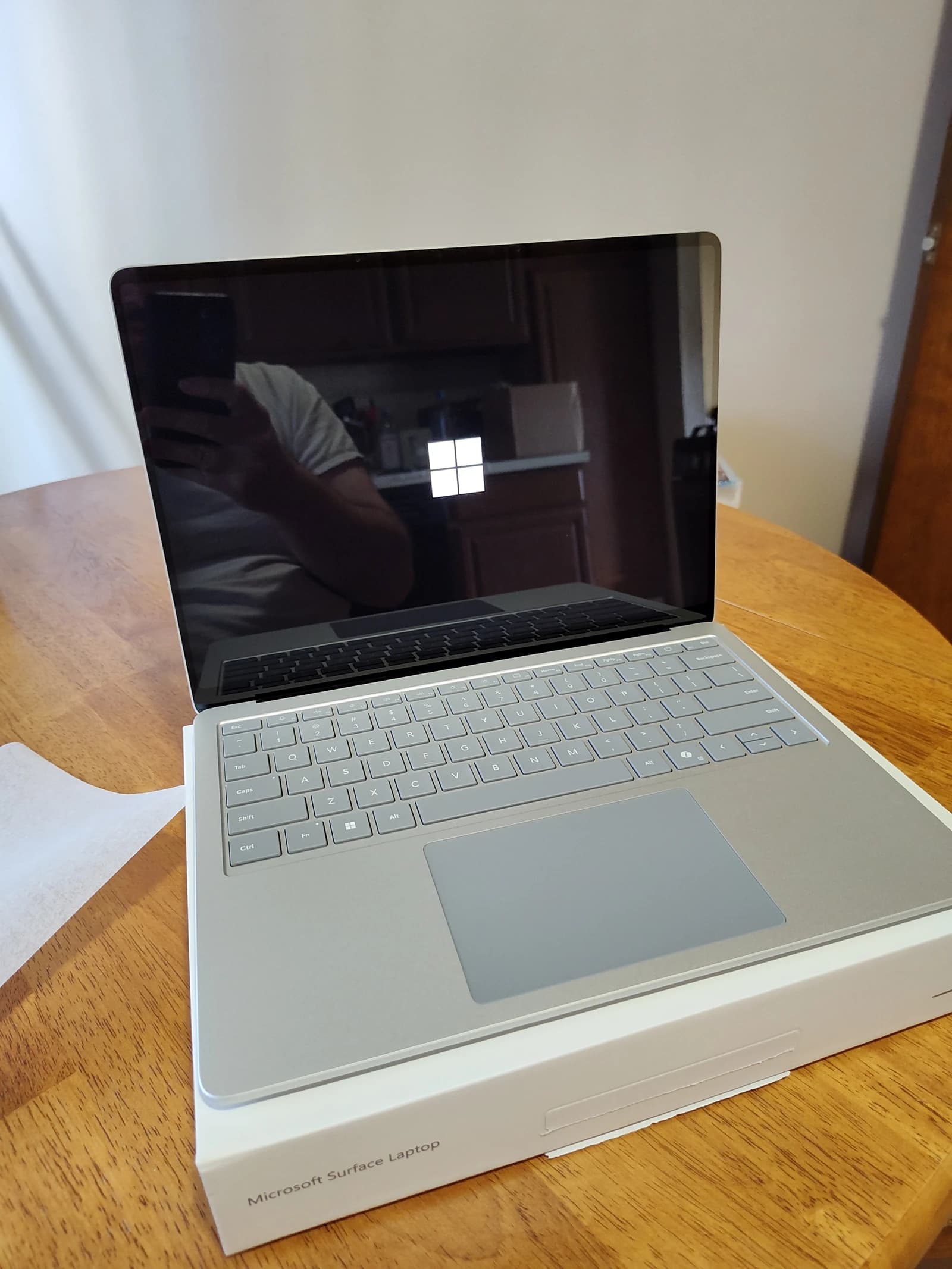
The launch of Microsoft’s Surface Laptop Ultra on Oct. 16, its first notebook with an Nvidia processor built on the RTX Spark platform, is more than a product refresh. It is a signal that AI inference is moving closer to the user, where routine tasks can be handled locally while only heavier workloads are sent to the cloud. That matters economically because every inference run that stays on-device reduces reliance on rented cloud compute, changes software economics and opens a new upgrade cycle in commercial PCs.
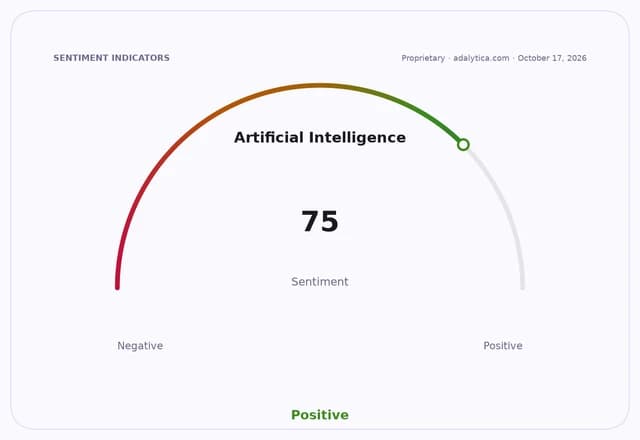
For investors, the implications reach far beyond one laptop. Nvidia is pushing into a market long dominated by Intel, with the same platform also set to be used by Asus, Dell, HP, Lenovo and MSI. That broadens the AI hardware opportunity from the data center into the PC market, creating a new pool of demand for accelerated chips and software-tuned machines. Microsoft, meanwhile, gets a way to defend its cloud franchise by making the PC a front end for hybrid AI, rather than a substitute for Azure.
The strategy fits what Satya Nadella and Jensen Huang describe as an “intelligent hybrid” future, where the divide between local and cloud processing keeps fading. Nadella’s point is crucial: if AI is everywhere and pervasive, then the machine itself must be redesigned to run those workloads. That is the market underappreciated inflection point. The winners are not just the obvious cloud incumbents, but also the silicon, memory, storage and device vendors tied to a new refresh cycle for AI-capable PCs.
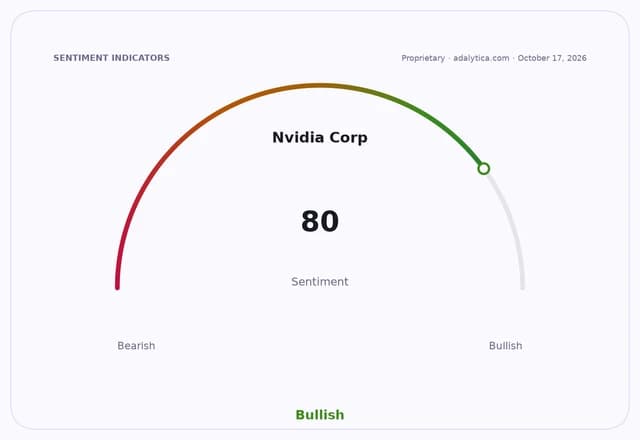
Microsoft’s stock has already reflected renewed optimism, with the shares recently trading around $529 after recovering sharply from a summer selloff, while Nvidia has climbed back above $214 after a volatile stretch. Alphabet also remains relevant as a proxy for the broader AI infrastructure trade, but the deeper takeaway is that AI is spreading from centralized compute into edge devices, and that expands the investable universe rather than shrinking it.
The near-term catalyst is whether developers and enterprise buyers embrace locally run AI features in volume. If they do, the market will have to price a larger upgrade cycle for PCs, rising demand for specialized chips and a more durable architecture for hybrid AI software. That is why this matters: the cloud is not being replaced, but its monopoly on AI workloads is being challenged at the device level, and that creates a new asymmetric opportunity for early investors positioned in the AI PC ecosystem.
| Entity | Gains | Losses |
|---|---|---|
| Nvidia | ▲PC-chip demand | ▼Intel legacy share |
| Microsoft | ▲Copilot reach | ▼Pure-cloud usage |
| PC makers | ▲AI upgrade cycle | ▼Commodity pricing |
| Cloud providers | ▲Hybrid demand | ▼Some inference volume |