Alphabet is gaining a more credible path to challenge Nvidia’s dominance in AI accelerators as cloud spending, financing and customer demand line up around custom chips.
Alphabet TPUs Gain Attention in AI Chip Market

That matters because the AI buildout is moving from a story about model training to one about who captures the economics of infrastructure. If Google can sell more of its tensor processing units, or TPUs, beyond its own cloud, it can turn a capital-intensive internal tool into a higher-margin hardware business and a bigger lever on cloud growth. For Nvidia, the risk is not an immediate collapse in demand, but a slow erosion of pricing power as major buyers keep looking for alternatives.
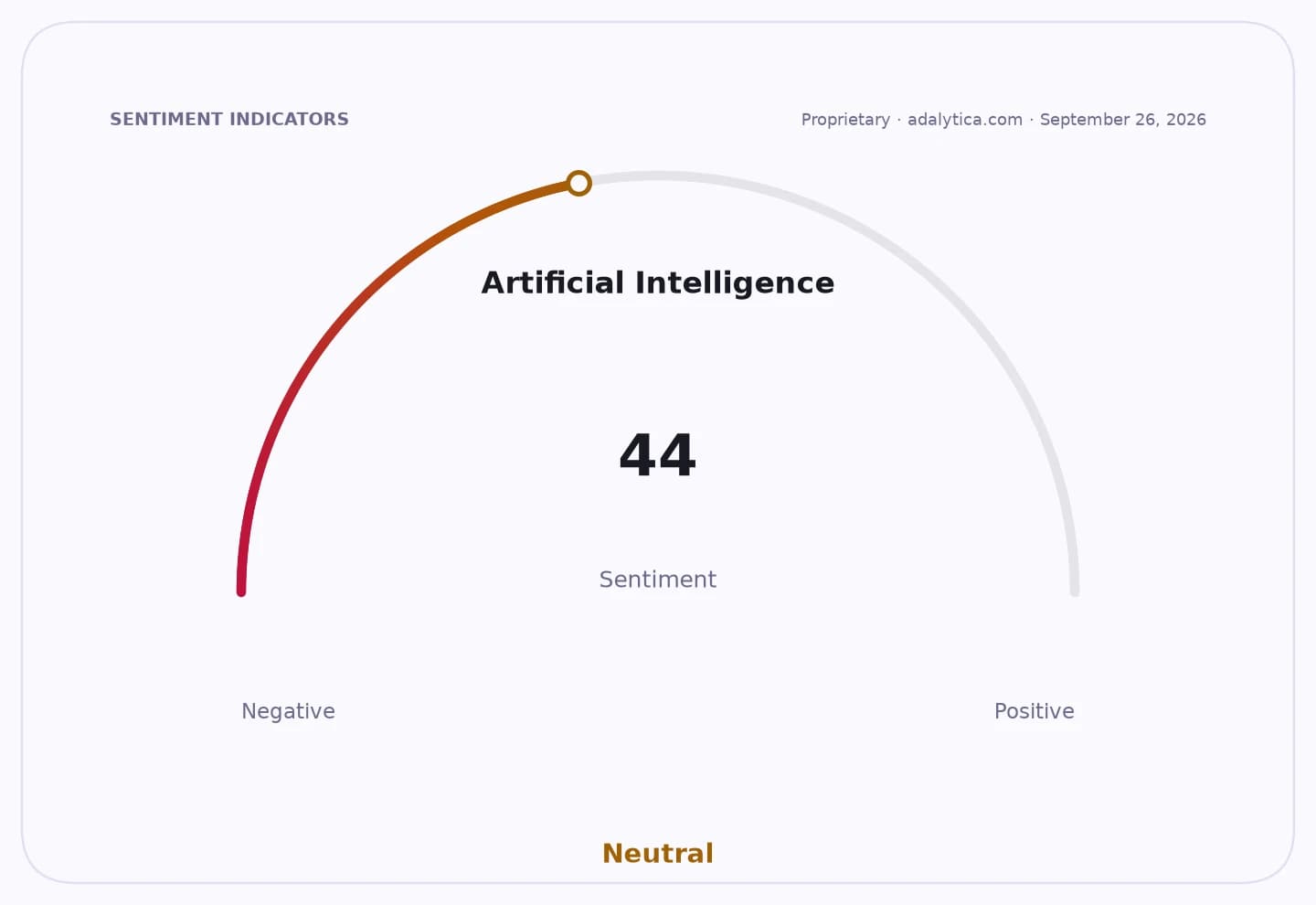
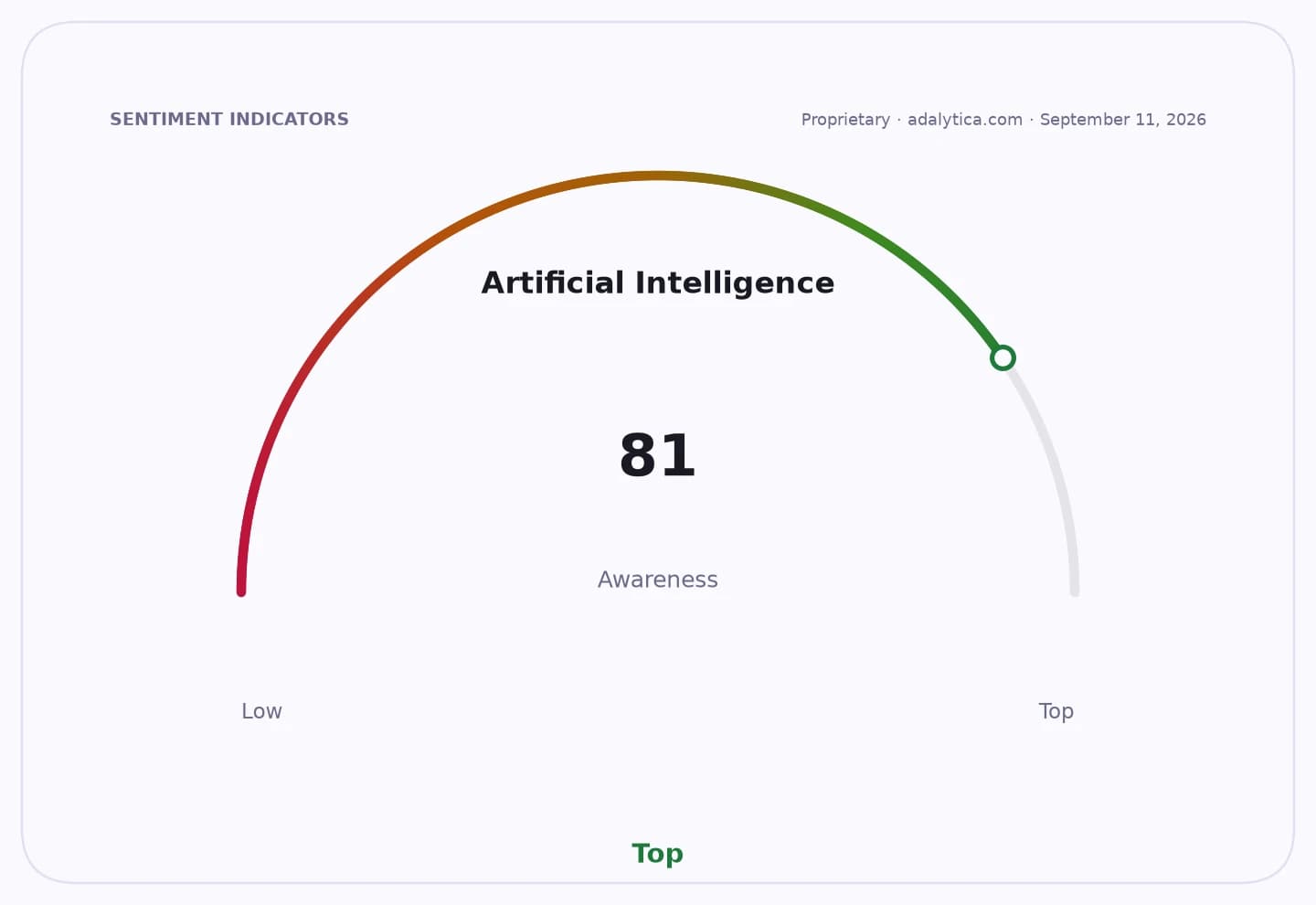
Sentiment IndicatorsⓘProprietary · adalytica.com · September 26, 2026
This is a snapshot — live sentiment, awareness and momentum for 130+ markets update continuously in the dashboard.Open AlphaPulse
The latest piece is a $22 billion loan agreed by a syndicate of 10 banks for Crux AI, a cloud venture backed by Blackstone, which underscores how aggressively the market is still funding AI infrastructure. That kind of financing keeps the data-center capex cycle alive and gives buyers more room to mix and match chips instead of locking themselves into a single supplier. In other words, the AI economy is deep enough now that even challengers to Nvidia can find a market.
Alphabet has been building toward this for years through its in-house TPUs, and the business case is improving as enterprises and cloud customers look for cheaper, more specialized compute. The company’s own filings point to heavier investment in custom AI silicon and enterprise-ready cloud services, while the broader AI ecosystem is increasingly open to alternative architectures. Alibaba’s launch of a more powerful domestic AI chip in China, described by the company as three times faster than its predecessor, shows the same pattern globally: customers want more compute, but they also want supply-chain diversity and lower dependence on one vendor.
Investors should care because this is how the AI capex boom evolves into a multi-winner market. Nvidia remains the category leader, and its shares have held above the 50-day moving average and the 200-day moving average, but the market is no longer pricing AI hardware as a one-way monopoly story. Alphabet, meanwhile, has been trading with enough technical strength to keep the TPU narrative alive, and the stock has room to benefit if TPUs become a meaningful external revenue stream rather than just an internal efficiency tool.
Our thesis is that the market is underestimating the second-order winners of the AI arms race. Google does not need to beat Nvidia outright to create substantial upside; it only needs to carve out a profitable niche in hyperscale and enterprise workloads. That would deepen Alphabet’s cloud moat, expand the AI stack, and give customers a real alternative when they negotiate future data-center builds.
The next catalyst will come from actual customer adoption: more cloud deals, more inference workloads routed to custom chips, and more evidence that AI buyers are willing to trade absolute performance for better economics and supply security. If that happens, Nvidia’s growth remains strong, but its competitive landscape changes materially. For investors, the asymmetric bet is to own the platforms and infrastructure layers that turn AI demand into recurring economics — and Alphabet is looking increasingly like one of them.
| Entity | Gains | Losses |
|---|---|---|
| Alphabet (GOOGL) | ▲TPU monetization | ▼Nvidia dependency |
| Nvidia (NVDA) | ▲AI demand growth | ▼Pricing power |
| Blackstone-backed Crux AI | ▲Financing access | ▼Capex risk |
| AI cloud buyers | ▲Chip optionality | ▼Vendor lock-in |