Microsoft, Nvidia and Alphabet are still the names investors need to watch if they want to own the real winners in AI, even as the market swings hard from fear to greed.
Microsoft, Nvidia and Alphabet AI Stocks to Watch
What matters most here is not a one-day stock move or a flashy gadget pitch. It is the way artificial intelligence is turning into a full-stack computing shift, with software, cloud and chips all trying to capture a bigger share of the same long-term spend. That’s the kind of trend that can compound for years, and it helps explain why the AI trade keeps drawing capital even when sentiment gets ugly.
Sentiment IndicatorsⓘProprietary · adalytica.com · September 11, 2026
This is a snapshot — live sentiment, awareness and momentum for 130+ markets update continuously in the dashboard.Open AlphaPulse
Microsoft closed at $496.88 on Sept. 11, well above its 200-day moving average of $429.66 and its 50-day average of $453.14, even after a volatile stretch that saw the stock plunge below $400 in June before recovering sharply. Nvidia finished at $218.76, also above its 200-day average of $197.11, while Alphabet ended at $338.82, just above its 200-day average of $336.38. Those levels matter because they show the biggest AI beneficiaries are still being treated as core long-term holdings, not just momentum trades.
The bigger economic story is that investors are still willing to pay for the picks-and-shovels layer of AI infrastructure. Microsoft’s cloud and AI stack, Nvidia’s accelerated computing platform and Alphabet’s AI and cloud capabilities all stand to benefit if enterprises keep moving from experimentation to actual deployment. That shift drives spending on data centers, chips, storage, networking and software subscriptions — a much larger and more durable opportunity than a single app or chatbot.
Artificial Intelligence vs MSFTadalytica.com
Explore this data interactively — full history, time series and cross-market comparisons.Open AlphaPulse
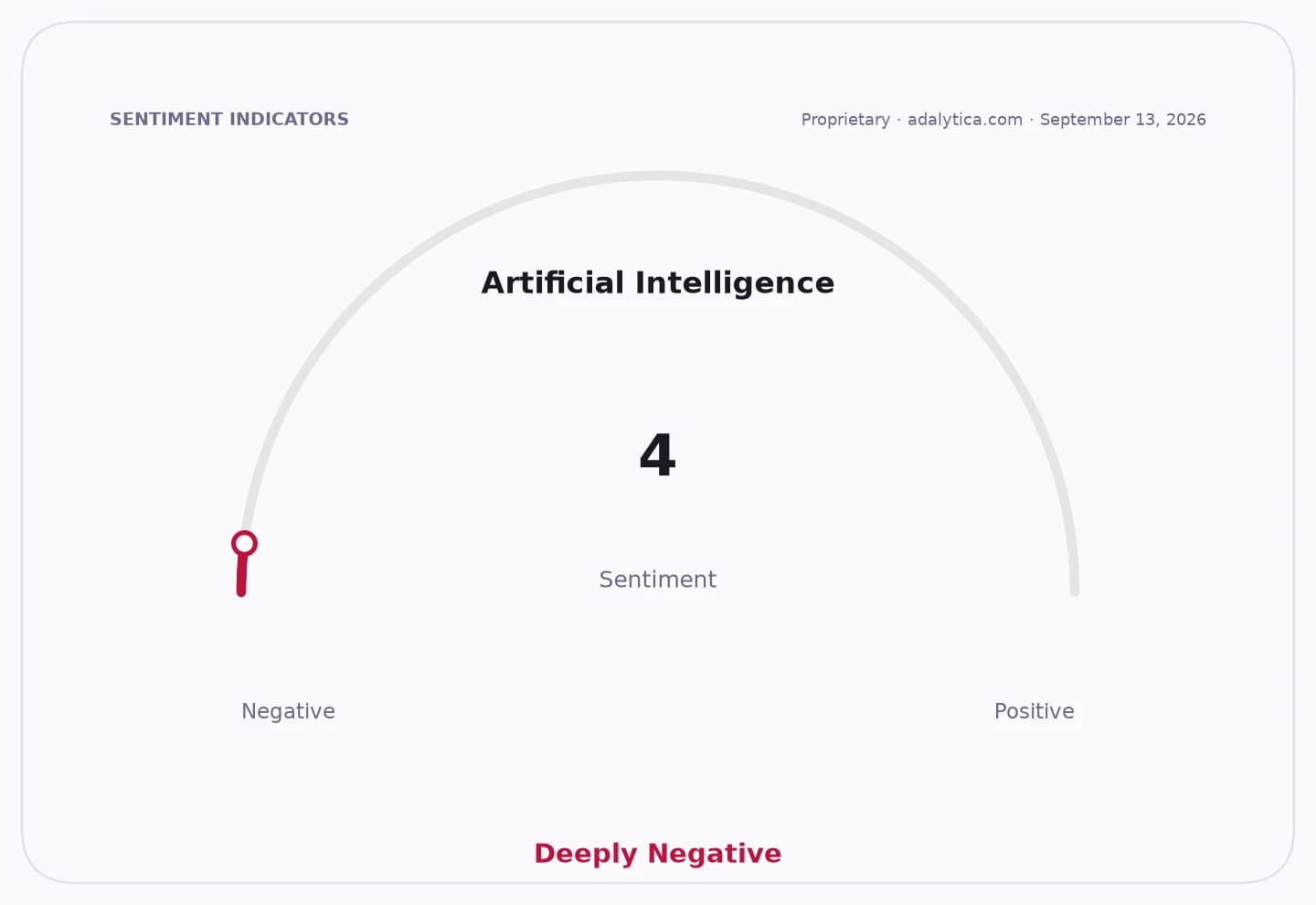
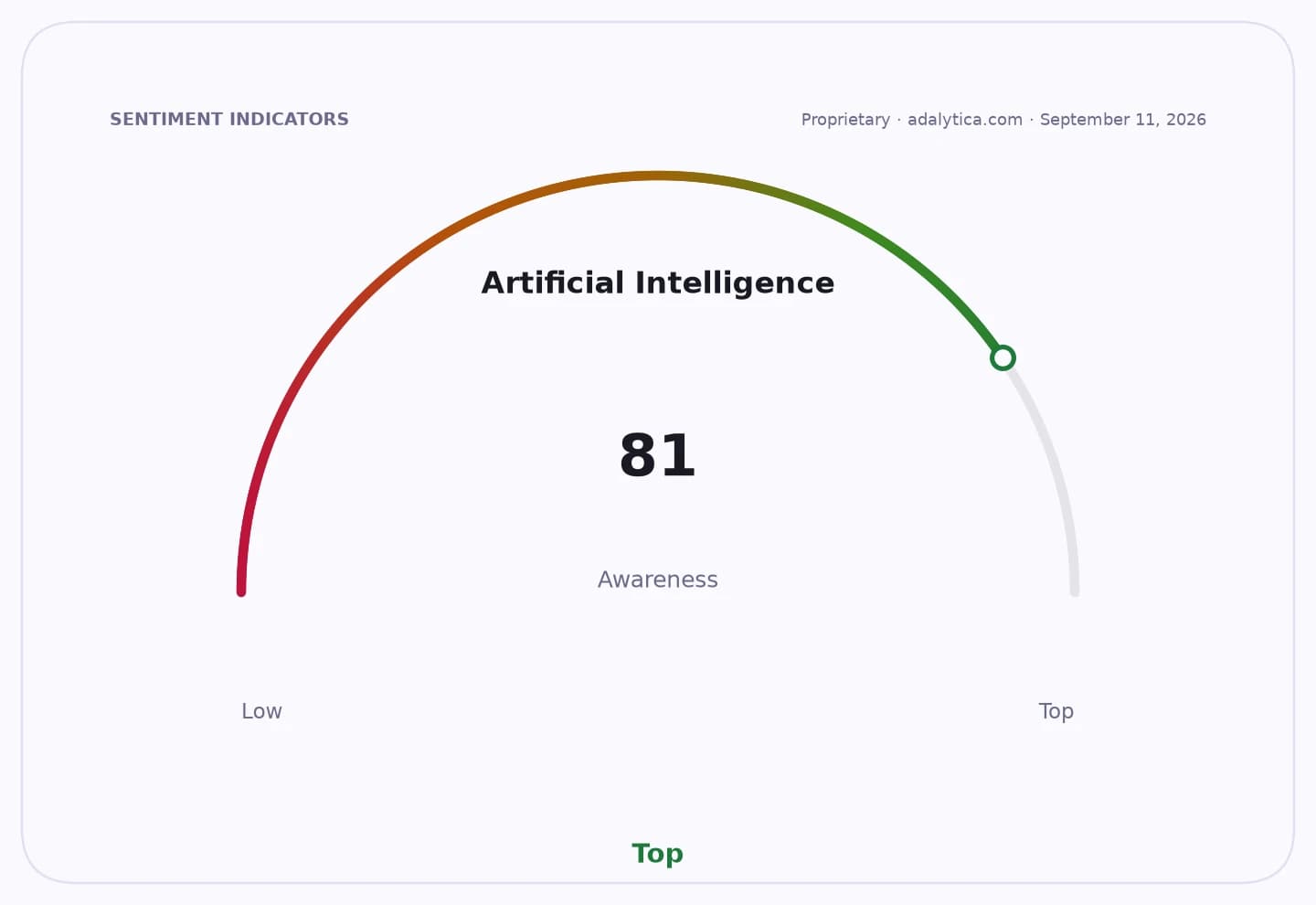
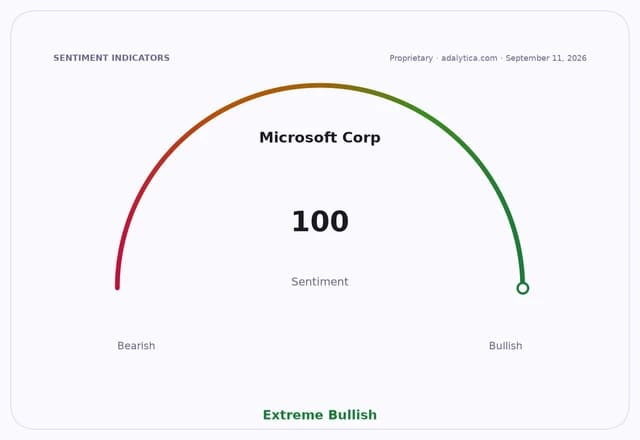
At the same time, the market is clearly not moving in a straight line. Adalytica’s AI sentiment snapshot shows “Extreme Fear” at 4, even as awareness remains elevated at 81. In other words, the conversation around AI is still everywhere, but investors are nervous about valuation, capital intensity and how quickly all that spending converts into profit. For Microsoft, Adalytica’s earnings sentiment reads “Extreme Greed,” suggesting the market is rewarding execution, even if broader AI sentiment has turned cautious.
That tension is exactly why long-term investors should think in years, not weeks. Treasury yields around 4.83% and a fed funds rate holding near 3.63% keep discount rates elevated, which means future profits matter more than ever. In a higher-rate world, only companies with real moats, pricing power and free-cash-flow potential deserve the biggest multiples. Microsoft and Alphabet have software ecosystems and distribution advantages; Nvidia has the most powerful position in AI accelerators.
The risk, of course, is that AI spending grows slower than expected or gets spread across too many players. Semiconductor demand can be cyclical, cloud competition is intense and every one of these companies is pouring money into data centers and model development. But for patient investors, that is precisely why the opportunity can be so attractive: volatility gives you a chance to buy great businesses when the market is arguing about the next quarter instead of the next decade.
If you are building wealth for the long run, the best approach is still simple: own a diversified basket of the strongest AI and cloud leaders, keep position sizes reasonable and let compounding do the heavy lifting. The AI buildout is not a fad, and the companies supplying the infrastructure are the ones most likely to keep benefiting as adoption broadens.
| Entity | Gains | Losses |
|---|---|---|
| Microsoft | ▲Cloud and AI monetization | ▼Short-term volatility |
| Nvidia | ▲AI chip demand | ▼Margins if spending slows |
| Alphabet | ▲Search, cloud and AI growth | ▼Valuation skepticism |
| Patient investors | ▲Long runway to compound | ▼Traders chasing quick moves |