NVIDIA’s industrial AI push is moving beyond factories and into chemical laboratories, where a new digital-twin project could show how robotics can automate hazardous, highly variable work before a single machine is installed on the lab floor.
NVIDIA, CURRENTA test lab robotics with digital twin
That matters because the next leg of AI monetization is not just model training or cloud inference — it is simulation, workflow design and robotic deployment inside regulated industries with expensive downtime and strict safety requirements. If ELARA works, it would strengthen the case for sovereign AI infrastructure in Europe, broaden the addressable market for NVIDIA’s Isaac Sim and Omniverse stack, and give Wandelbots a higher-value route into industrial robotics software.
The ELARA prototype, announced by chemical park operator CURRENTA, Wandelbots and Deutsche Telekom unit T-Systems, uses the Industrial AI Cloud together with NVIDIA Isaac Sim and Wandelbots NOVA to test laboratory tasks virtually before any physical robot is deployed. The partners said the project is examining routine jobs such as pipetting and sample handling, including work involving potentially hazardous substances, with the goal of reducing employee exposure, shortening processing times and improving availability.
For investors, the significance is the shift from proof-of-concept AI to workflow-critical infrastructure. Labs are a harder automation problem than assembly lines because sample types and processes vary constantly. That makes simulation and digital twins more valuable, not less, because companies need to validate flexibility before capex is committed. In that sense, ELARA is a template for how AI infrastructure can become embedded in industrial operations, creating a recurring revenue opportunity for software, simulation and sovereign compute providers.
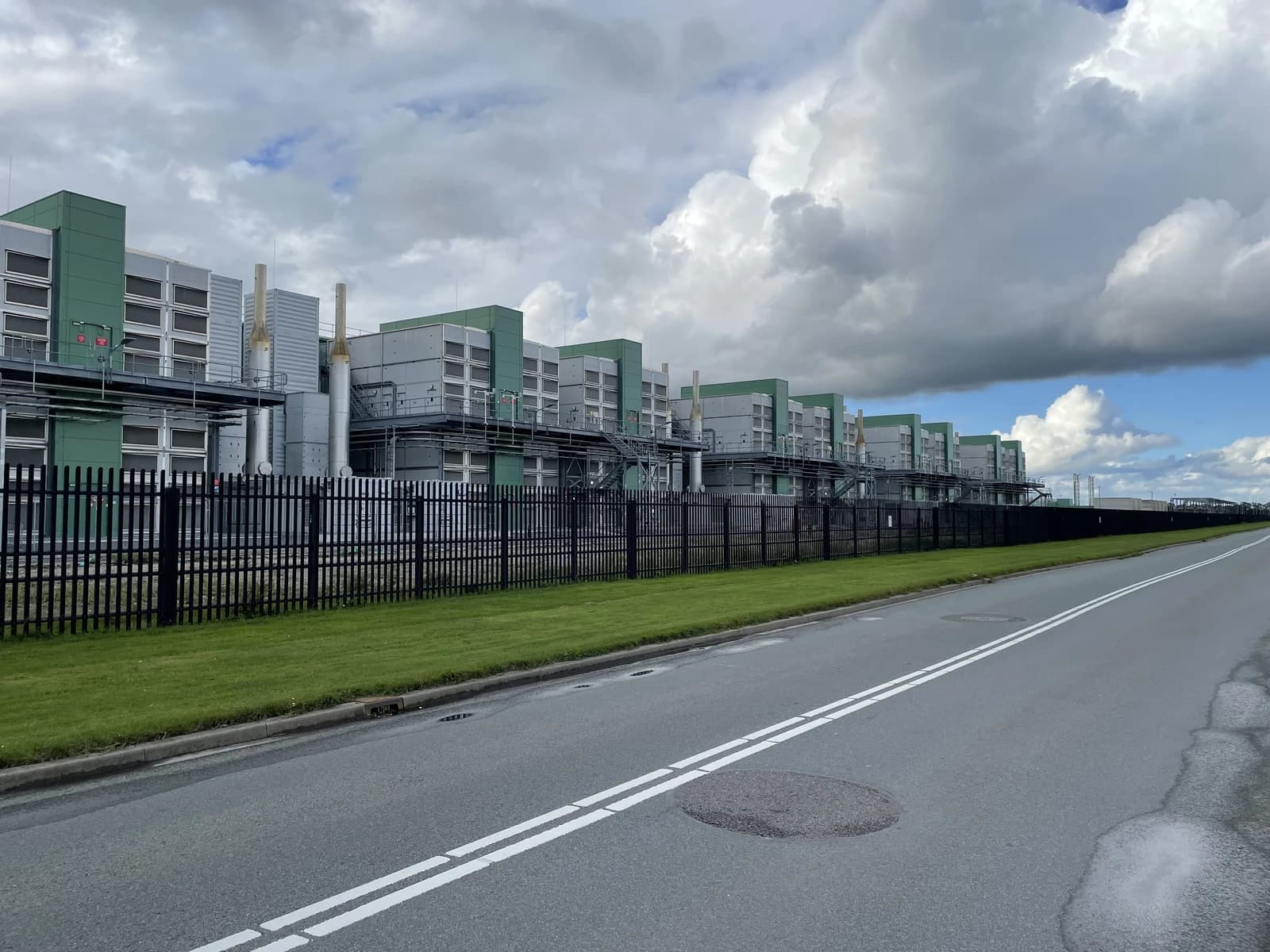
The project also highlights Europe’s push to keep sensitive industrial data inside regional legal and technical boundaries. T-Systems said it is supplying sovereign infrastructure through the Industrial AI Cloud, with NVIDIA GPU-accelerated systems hosted in Germany. That is an important commercial angle: for regulated customers, data residency and operational control are not features, they are purchase requirements. The more industrial users insist on sovereign deployment, the more pricing power shifts toward the infrastructure layer.
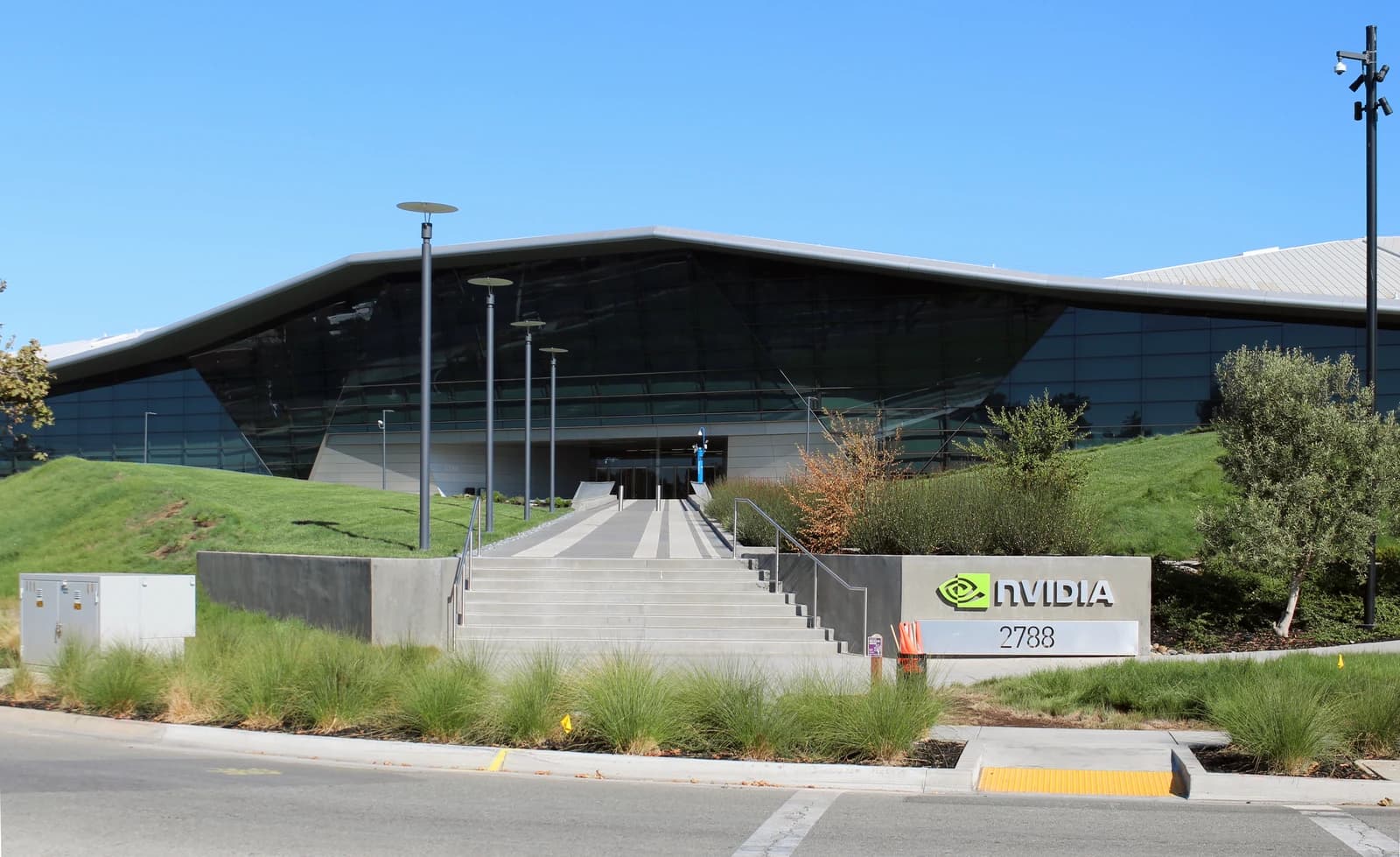
NVIDIA already has exposure to that trend. In its latest filing, the company said it had introduced a new business model with select AI cloud partners to broaden access to its data-center infrastructure for enterprises, research organizations and sovereign customers. ELARA fits that strategy neatly by extending NVIDIA’s stack from generic AI compute into a specific industrial workflow where simulation and robotics are tightly linked.
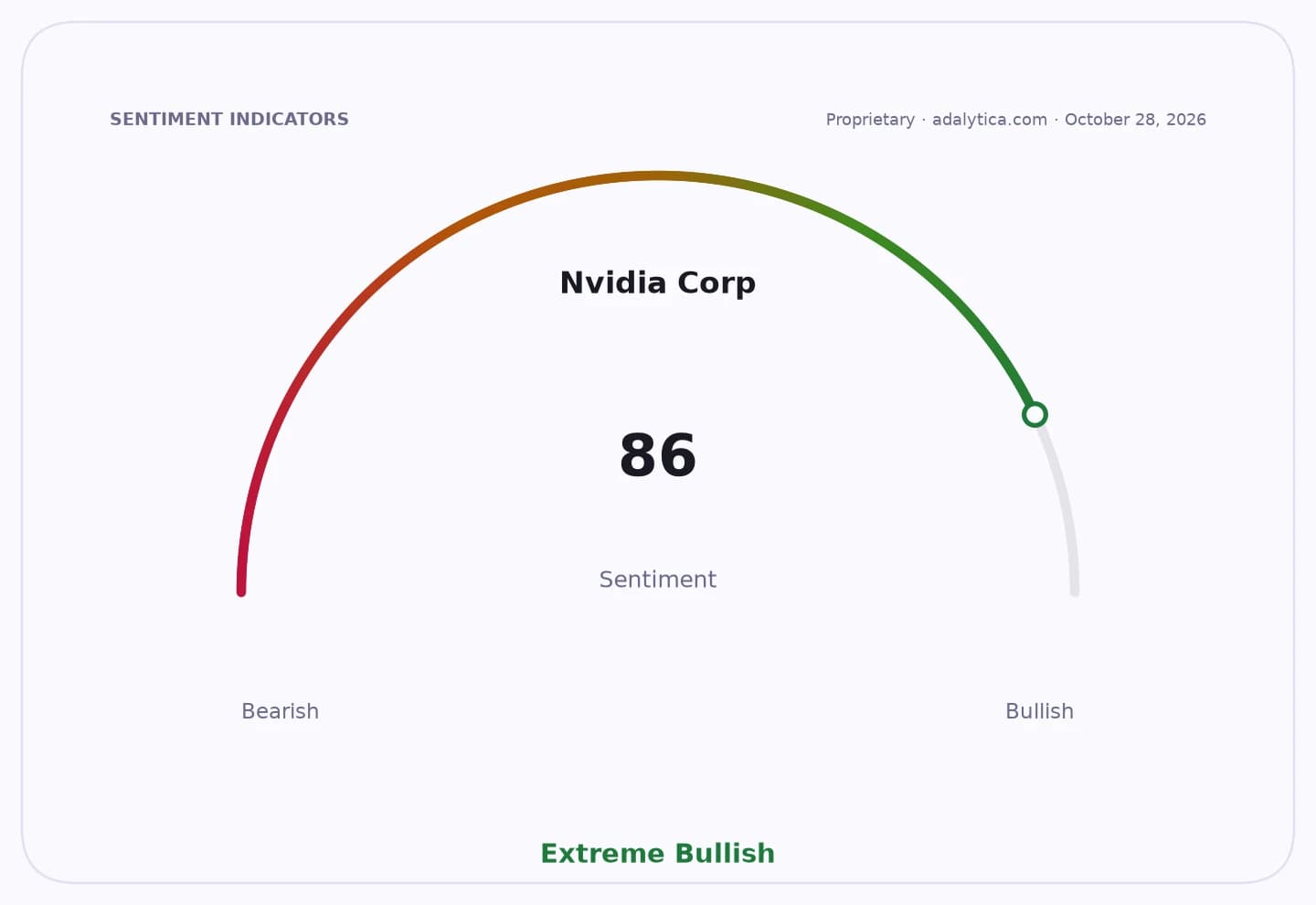
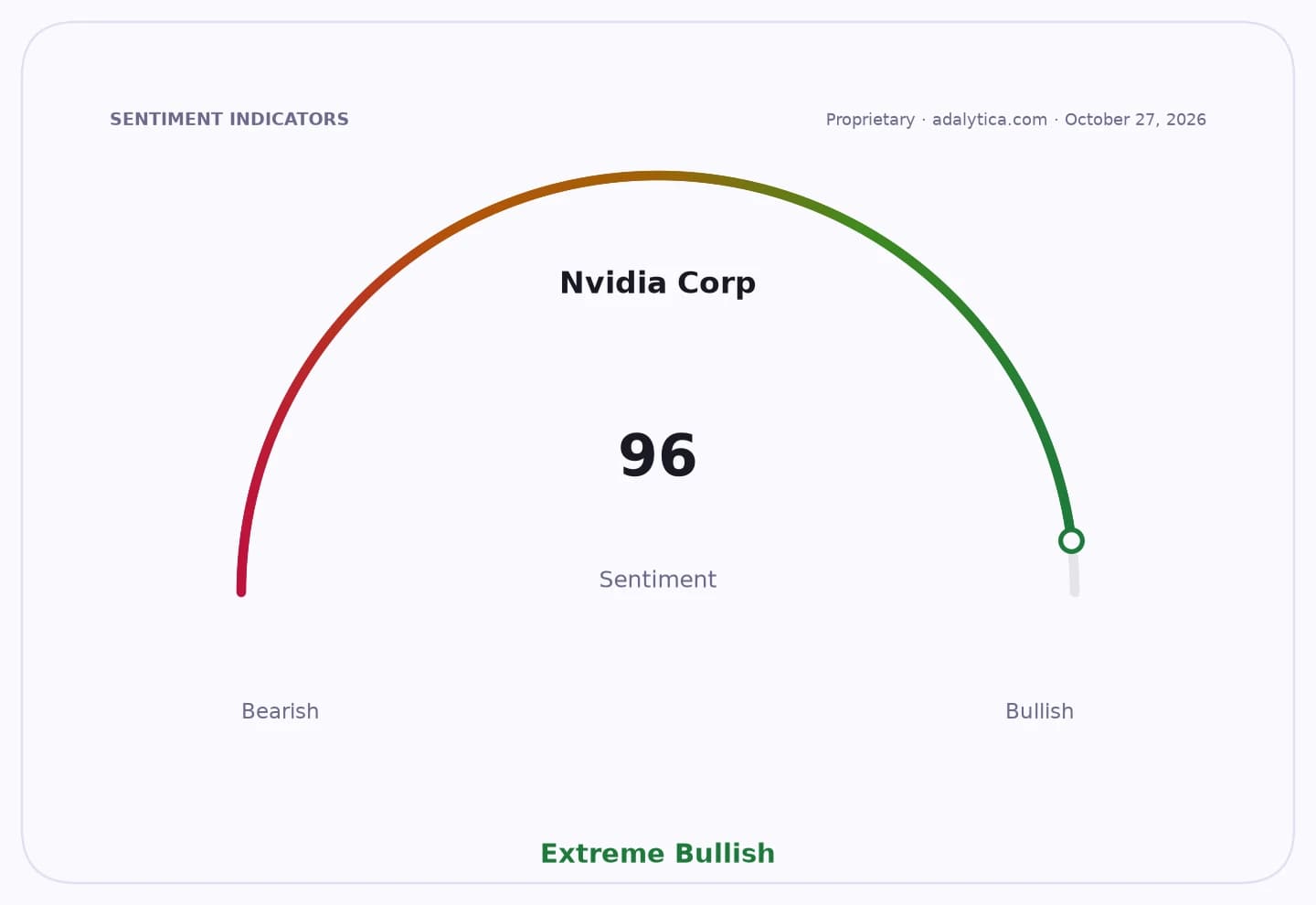
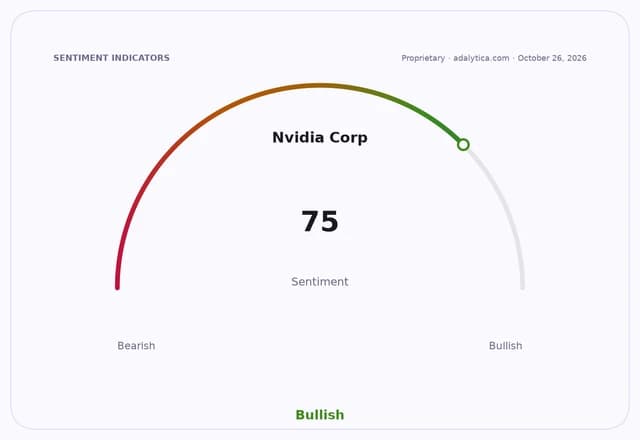
The stock market has been volatile around AI leaders, and the technical picture for NVIDIA shows that too. The shares recently traded below the 50-day moving average, while RSI readings and MACD momentum have weakened from earlier highs. But that kind of pullback can be exactly where the market underestimates the next monetization layer. When the narrative shifts from “who buys GPUs?” to “who needs a full industrial AI stack to redesign operations?”, the addressable market expands.
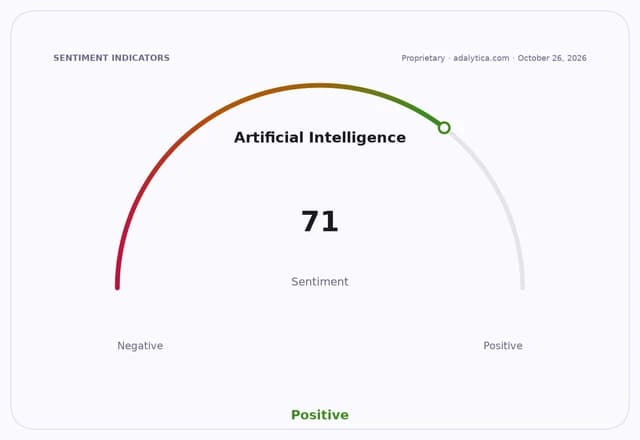
That is why the real winners here are not just the obvious chip sellers. They include sovereign cloud operators, robotics software platforms and industrial automation enablers that can turn simulation into deployment. I believe the market is still pricing industrial AI too narrowly. The bigger opportunity is in the toll roads of the ecosystem: compute, simulation, orchestration and digital-twin software.
CURRENTA’s involvement gives the project real-world credibility, and the chemical sector offers exactly the kind of margin pressure and safety sensitivity that can justify automation. If ELARA can prove that variable lab workflows can be simulated, validated and transferred to physical robots, it could become a blueprint for hospitals, testing labs and other regulated environments.
For investors, the takeaway is clear: keep watching the infrastructure layer. NVIDIA, T-Systems and Wandelbots are not just building a lab demo — they are testing the commercial model for the next phase of industrial AI adoption.
| Entity | Gains | Losses |
|---|---|---|
| NVIDIA | ▲More industrial AI demand | ▼Narrower GPU-only narrative |
| T-Systems / Industrial AI Cloud | ▲Sovereign cloud relevance | ▼Generic cloud competitors |
| Wandelbots | ▲Higher-value robotics software role | ▼Low-margin point solutions |
| Manual lab workflows | ▲Less exposure to hazard | ▼Human labor intensity |