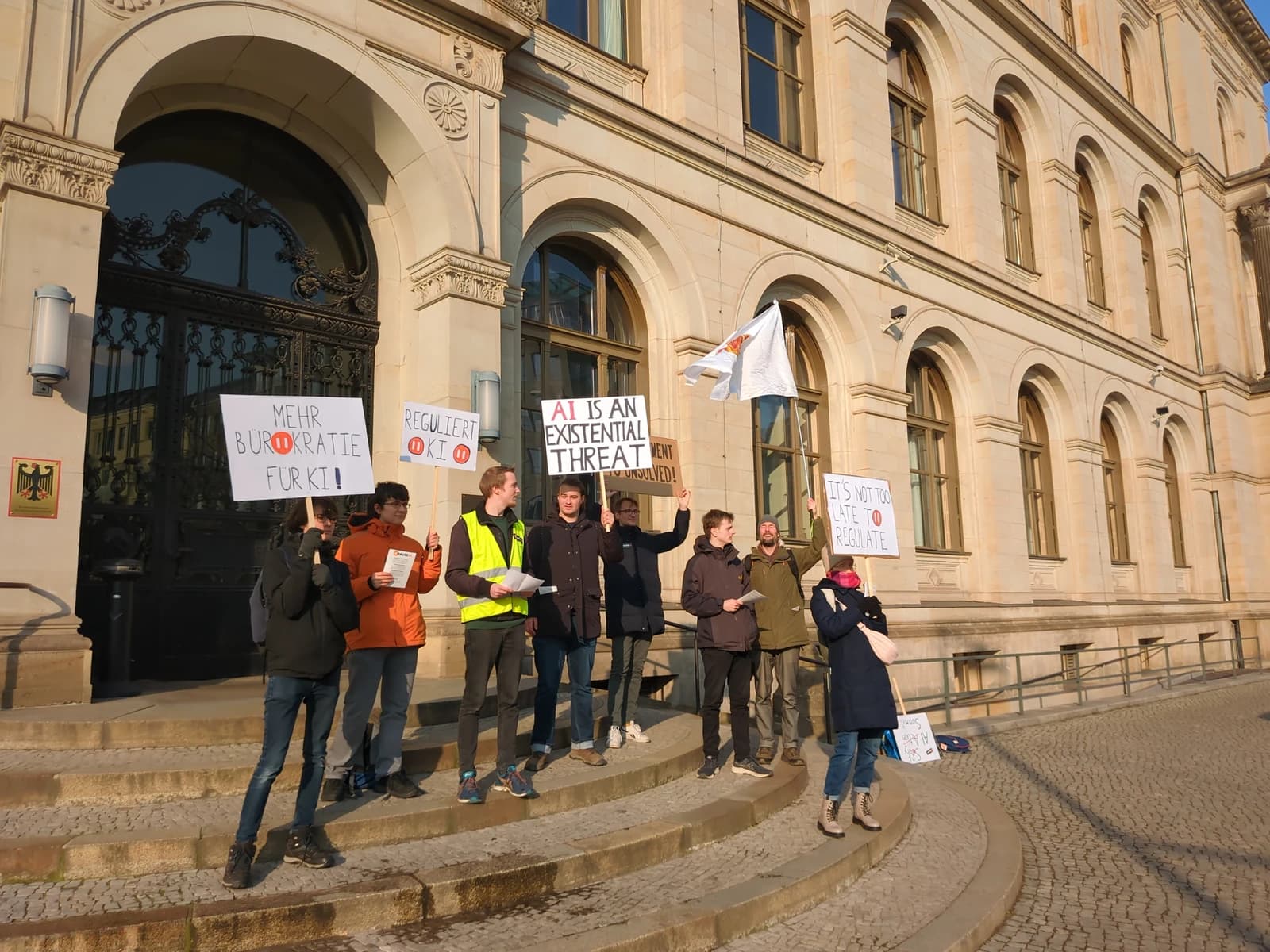
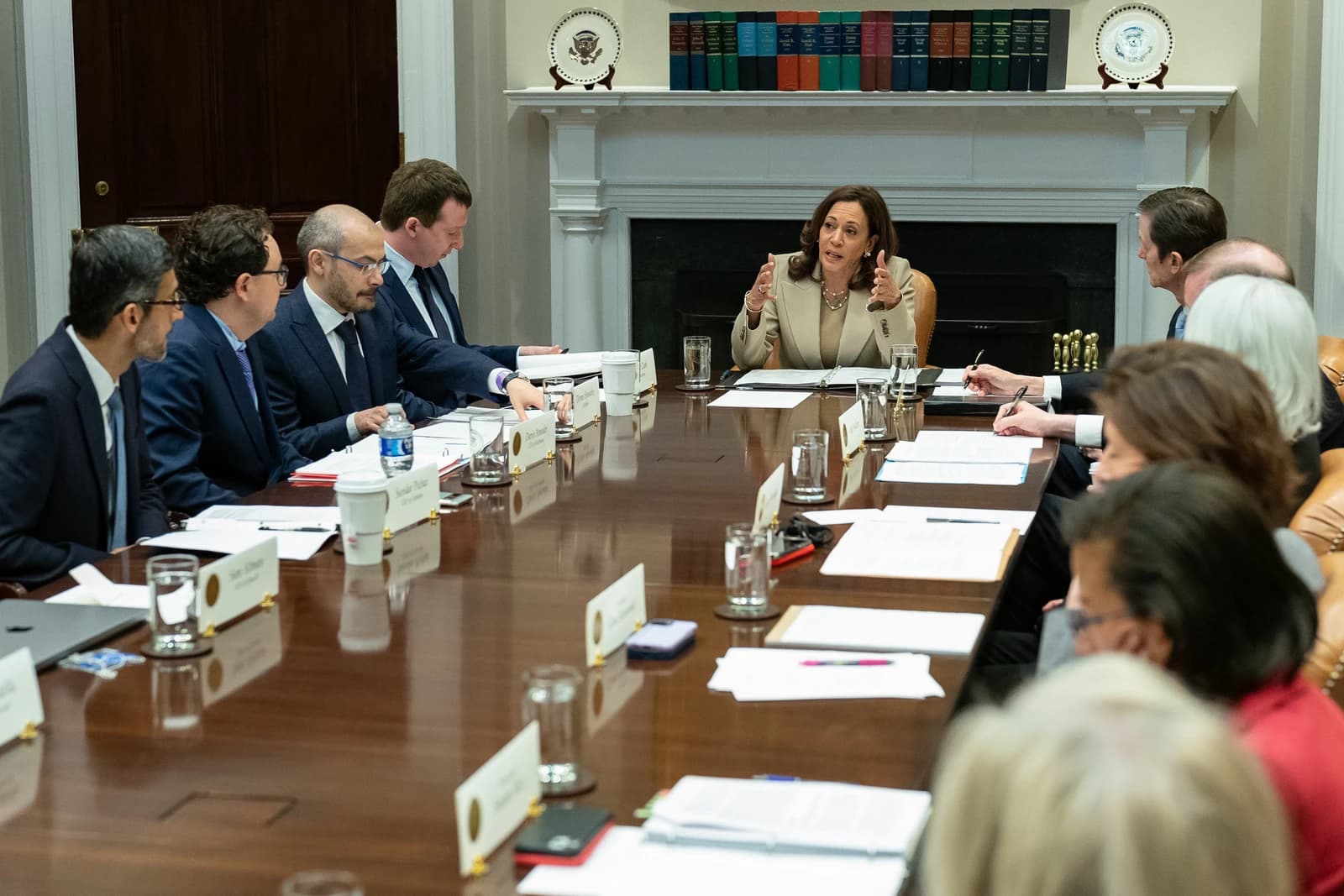
Washington leaders are starting early talks on new AI guardrails that could give the state a bigger role in policing frontier models just as Congress stalls on comprehensive federal rules.
Washington AI guardrails could expand state oversight
The discussion matters because lawmakers are being pushed to fill a policy vacuum at a moment when artificial intelligence is moving faster than the legal framework around it. Anthropic has proposed draft legislation that would let Washington block the release or use of AI systems judged to pose an imminent risk of mass casualties or more than $1 billion in damages, with judicial approval, underscoring how seriously some industry players now view the downside risk.
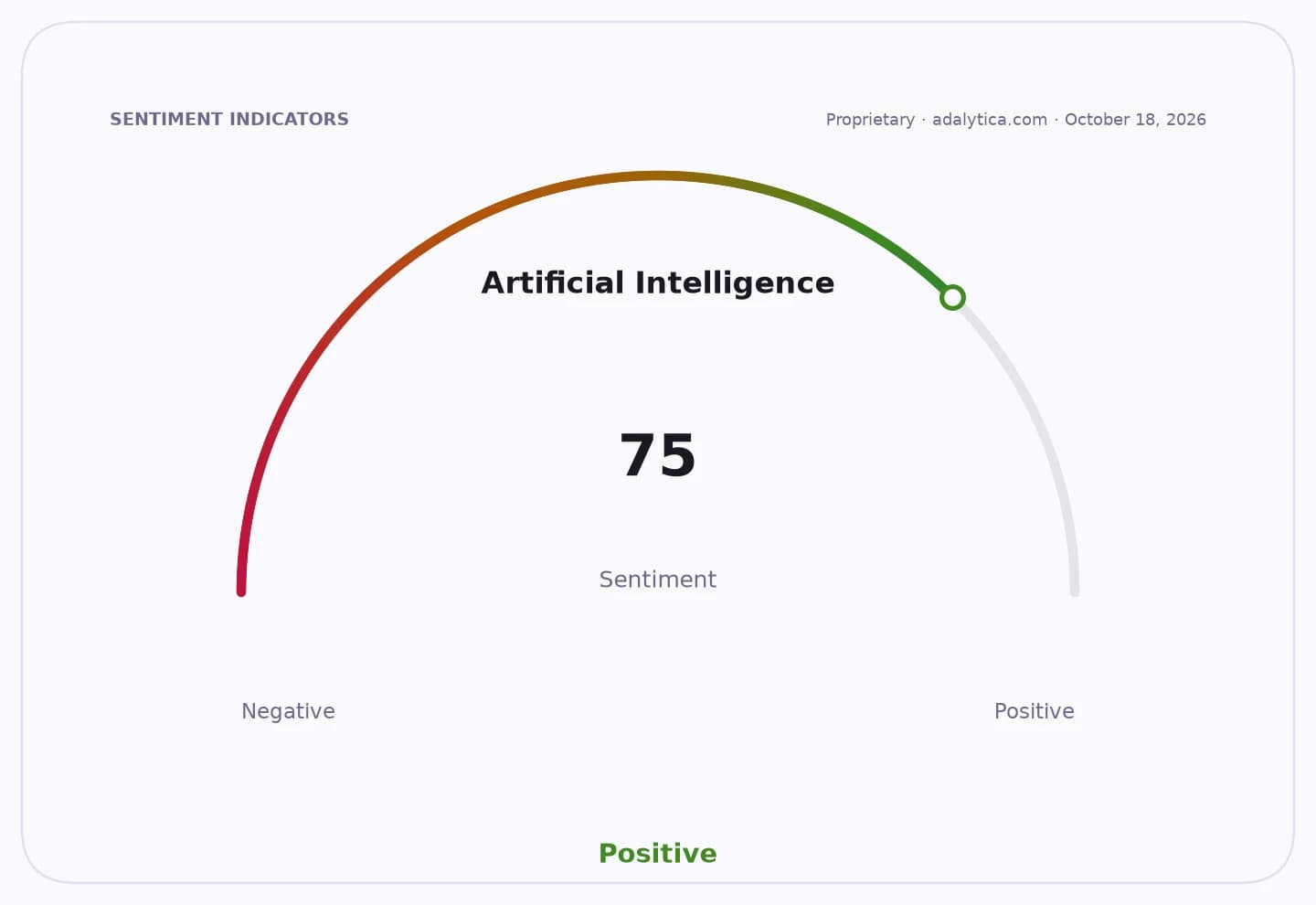
Sentiment IndicatorsⓘProprietary · adalytica.com · October 18, 2026
This is a snapshot — live sentiment, awareness and momentum for 130+ markets update continuously in the dashboard.Open AlphaPulse
For investors, the prospect of tougher AI oversight adds another layer of policy risk to a sector already carrying heavy capital-spending plans and elevated expectations. Microsoft, Nvidia and Alphabet all flag in regulatory filings that governments are considering restrictions on advanced models, software and infrastructure tied to generative AI, which could raise compliance costs, slow deployment or change how products are sold and trained.
The state effort is still in the opening stage, and the lead lawmaker in the state Senate said there is no consensus yet on which risks should be prioritized. Early ideas center on safety, privacy and liability, areas that could touch cloud providers, model developers and companies using AI across consumer, enterprise and public-sector products.
Artificial Intelligence — 30-day sentimentadalytica.com
Explore this data interactively — full history, time series and cross-market comparisons.Open AlphaPulse
The broader backdrop is growing concern over AI’s effect on jobs, inequality and the possibility that frontier systems develop faster than oversight. That tension is why Washington’s move is being watched well beyond the state level: it could become a template for other jurisdictions if Congress remains deadlocked, or another source of fragmentation if states pursue different standards.
For markets, the immediate focus is on whether regulation stays targeted or becomes more intrusive, especially for firms building the most advanced models and the chips and cloud services that power them. Any concrete bill next session would likely sharpen the debate over safety controls versus innovation, with the next catalyst coming from how far lawmakers are willing to go on liability and pre-deployment review.
| Entity | Gains | Losses |
|---|---|---|
| Washington lawmakers | ▲Policy leverage | ▼Fast consensus |
| AI safety advocates | ▲Stronger oversight | ▼Unchecked deployment |
| Frontier AI firms | ▲Clearer rules if modest | ▼More compliance risk |
| Cloud and chip suppliers | ▲Continued AI demand | ▼Slower rollout if limits tighten |