Democrats’ takeover of Congress in the 2026 U.S. midterms could mark a turning point for artificial intelligence stocks by opening the door to tougher oversight of the data-centre buildout, even as the broader market cheered the election result.
AI stocks face U.S. policy risk after election
The immediate market reaction was positive for Wall Street, with the Dow Jones jumping 1,245 points, or 2.4%, while the S&P 500 and Nasdaq gained 1.52% and 1.82%, respectively. But the gains masked a split in the AI trade: data-centre names and Tesla fell as Democrats scored wins in Texas and Georgia, where local resistance to power-hungry AI infrastructure has become a political issue.
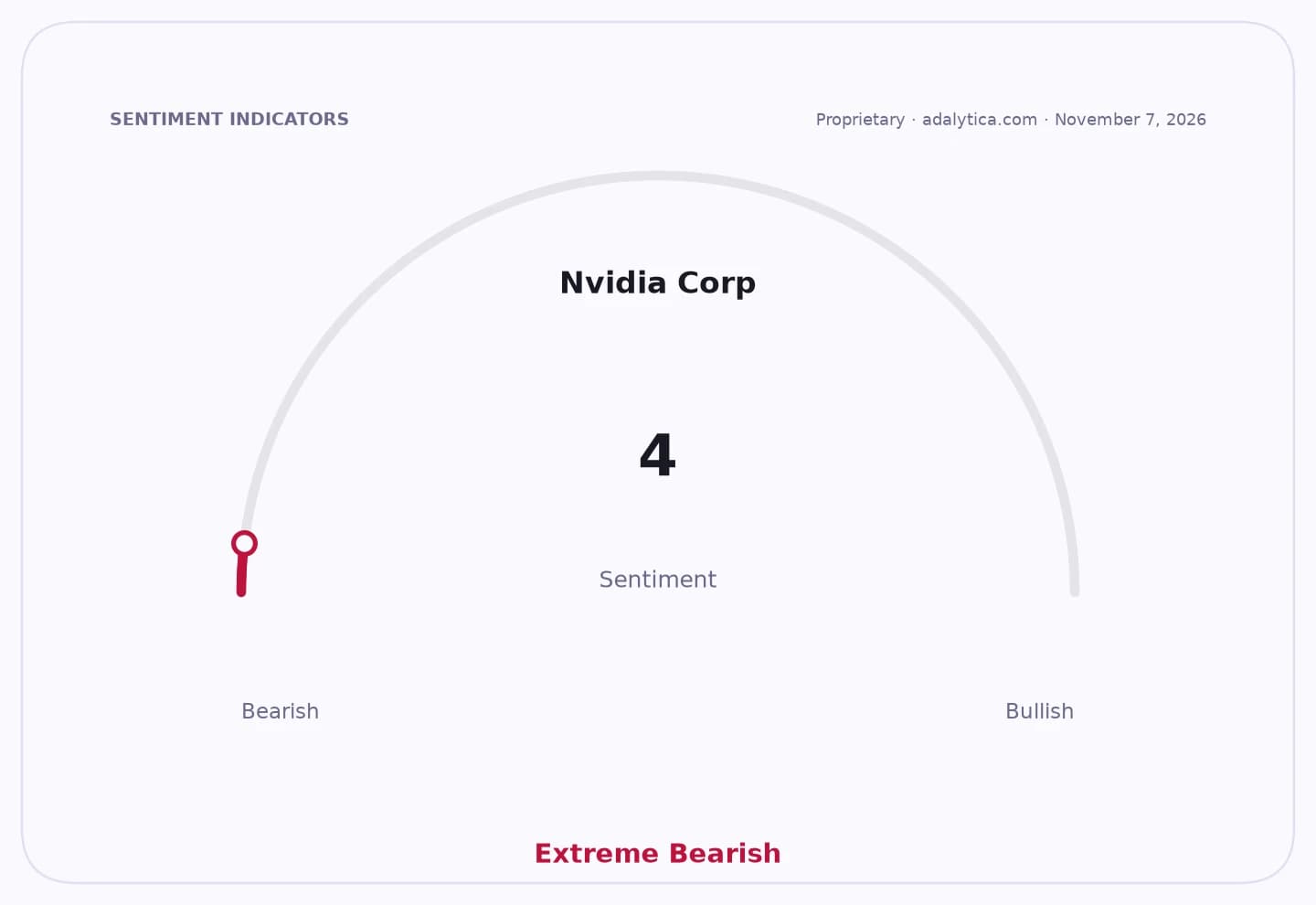
Sentiment Indicators
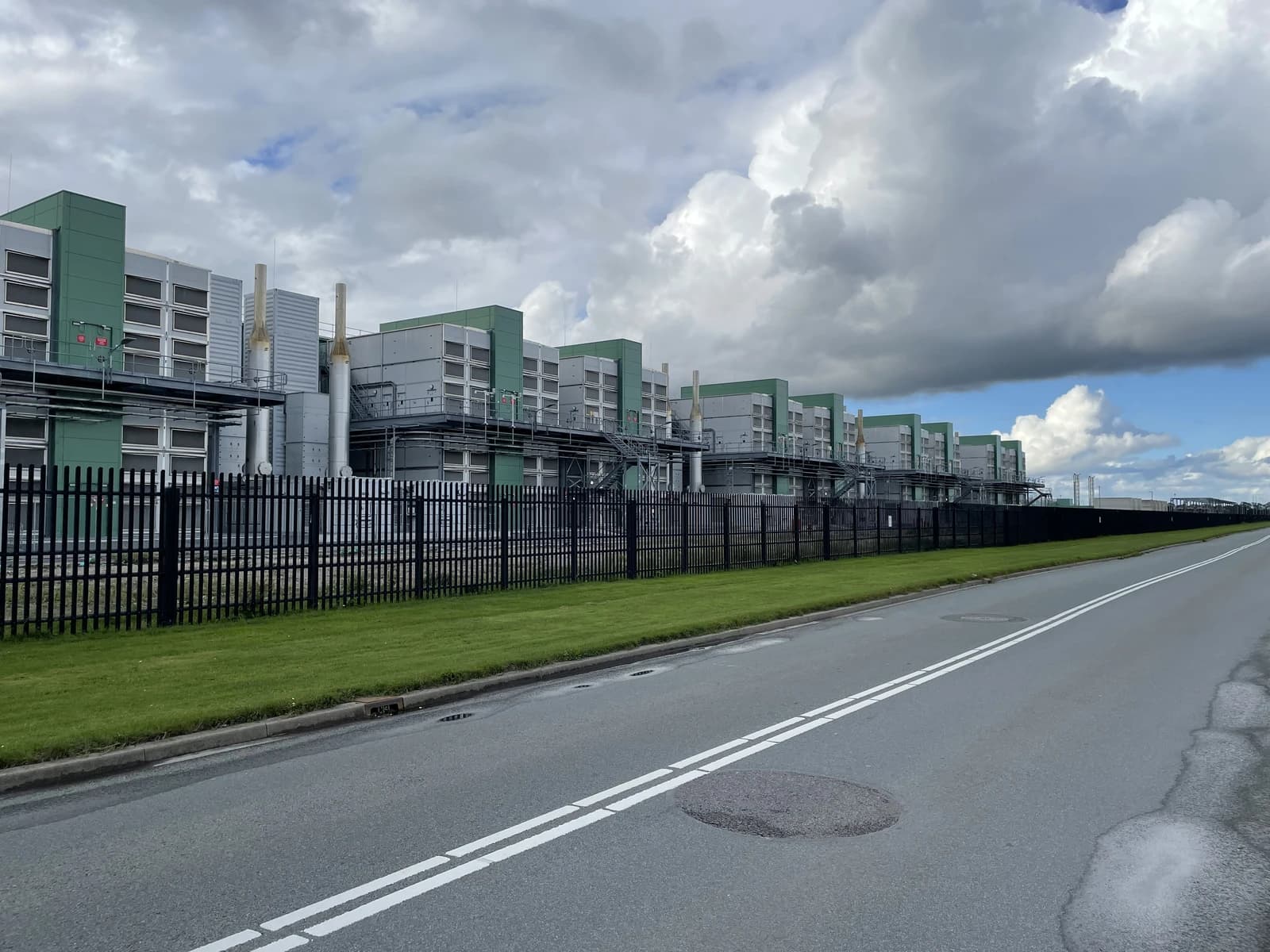
That matters because the U.S. AI boom is increasingly tied to land, electricity and permitting, not just chip demand. Wells Fargo estimates Texas alone accounts for about 27% of planned U.S. data-centre capacity, making any push for pauses, tougher safeguards or energy-linked restrictions a direct risk to projects and the suppliers that depend on them.
Nvidia is especially exposed. The chipmaker has been one of the biggest beneficiaries of the data-centre surge, but its latest filing warned that governments are considering, and in some cases imposing, restrictions on the hardware and software used to build frontier AI models. The company also said supply and capacity commitments had risen to $279 billion by July 26 from $119 billion last quarter, underscoring how much of its growth case rests on the continued expansion of AI infrastructure.
Artificial Intelligence — 30-day sentimentadalytica.com
Explore this data interactively — full history, time series and cross-market comparisons.
CoreWeave dropped 7% after Gina Hinojosa’s victory in Texas, where she campaigned on halting data-centre construction until stronger safeguards are in place. Any broader Democratic push in Washington could deepen scrutiny of energy use, labor displacement and environmental costs, all of which have become political flashpoints around generative AI.
The policy risk contrasts with the market’s still-bullish view of AI demand. Microsoft, Amazon, Google and Meta continue to commit tens of billions of dollars to AI projects, while Google has proposed a $15 billion data-centre investment in Andhra Pradesh. Amazon plans to spend $35 billion on AI-driven operations, and Microsoft has announced $17.5 billion for AI-related projects.
India is positioned to benefit if U.S. regulation slows domestic buildout. HSBC Global Research says India could attract $105 billion of investment in a year tied to data centres, with chip imports alone accounting for roughly $90 billion of that bill. The bank estimates about $30 billion is needed to develop 1 gigawatt of data-centre capacity, including $21 billion in imports, highlighting the scale of the opportunity for India’s digital infrastructure suppliers.
For investors, the key question is whether the AI cycle shifts from an unconstrained capex boom to a more regulated, politically contested buildout. If Democrats turn election gains into federal restrictions or tougher approvals, chipmakers, cloud providers and data-centre developers could face slower deployment and higher compliance costs, while countries such as India may capture a larger share of the spending.
| Entity | Gains | Losses |
|---|---|---|
| Democrats | ▲More leverage on AI regulation | ▼None if growth slows |
| Nvidia and AI chip suppliers | ▲Continued global demand | ▼U.S. policy scrutiny |
| Data-centre developers | ▲Long-term demand visibility | ▼Permitting and pause risk |
| India’s AI ecosystem | ▲More investment inflows | ▼Slower U.S. buildout spillover |