AI compute has moved from a technical input to a strategic national asset, and governments are now racing to secure it before supply constraints and power bottlenecks harden into a competitive disadvantage.
UK Compute Roadmap Boosts AI Infrastructure
That is the central message from the OECD’s latest Digital Economy and Society Outlook, which says access to compute now sits alongside data, algorithms and skills as a determinant of which countries can build and deploy advanced AI systems. The report singles out the UK’s pledge of up to £2 billion for its Compute Roadmap as one of the world’s leading state-backed bets on AI infrastructure, underscoring how quickly compute has become a policy priority rather than just a line item for technology firms.
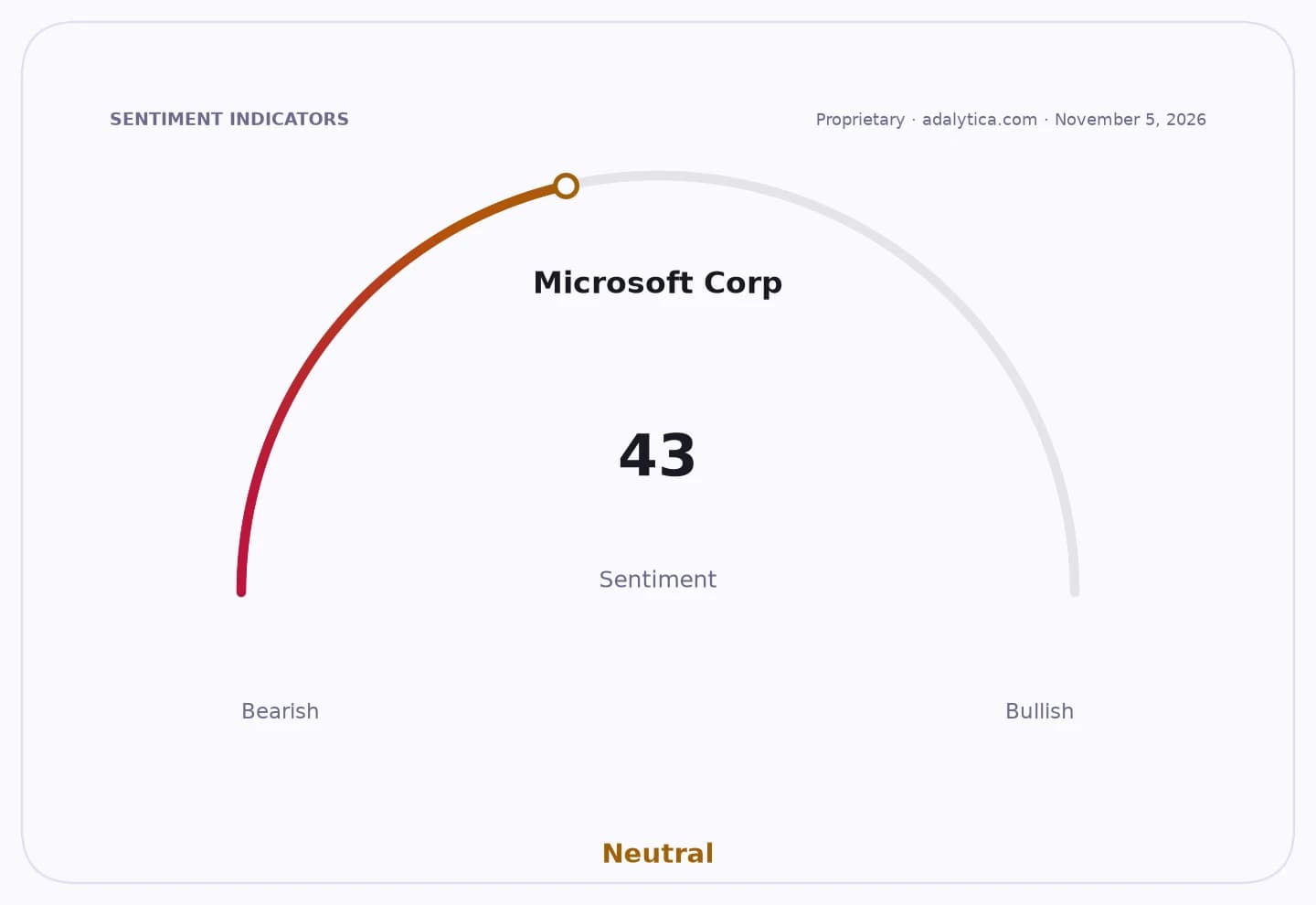
Sentiment Indicators
The economic stakes are substantial. The OECD says venture capital investment in AI firms tied to IT infrastructure and hosting more than doubled to $123.9 billion in 2025 from $54.5 billion a year earlier, the largest annual jump since 2012. That surge reflects a broader capital cycle in which investors, cloud providers and governments are all betting that the next phase of AI growth will be limited less by model design than by access to chips, memory, networking and electricity.
For the UK, the commitment is about more than prestige. The Compute Roadmap includes up to £2 billion to “deliver a holistic and user-centred compute ecosystem,” plus £1 billion to expand the AI Research Resource and a new national supercomputing service. The government is effectively trying to build domestic capacity so British researchers and companies are not forced to depend entirely on foreign hyperscalers or overseas infrastructure at a time when AI demand is surging.
That dependence is precisely what the OECD warns about. It says hyperscalers retain a structural advantage because they control capital-intensive datacentre networks, energy access and established developer ecosystems, making it difficult for newer AI infrastructure specialists to dislodge them. The report cites a growing class of neocloud providers, including the UK’s Nscale, US-based CoreWeave and the Netherlands’ Nebius, but says most buyers will still rely on existing cloud capacity as they balance lock-in against the need for scale.
The bottlenecks are increasingly physical. Accelerator performance has been rising far faster than DRAM capacity, creating what the OECD calls the “memory wall,” while moving data between chips and across racks creates an “interconnect wall” that slows training and inference. Those constraints matter because they can leave expensive processors idle, reducing the return on the billions of dollars being poured into AI infrastructure.
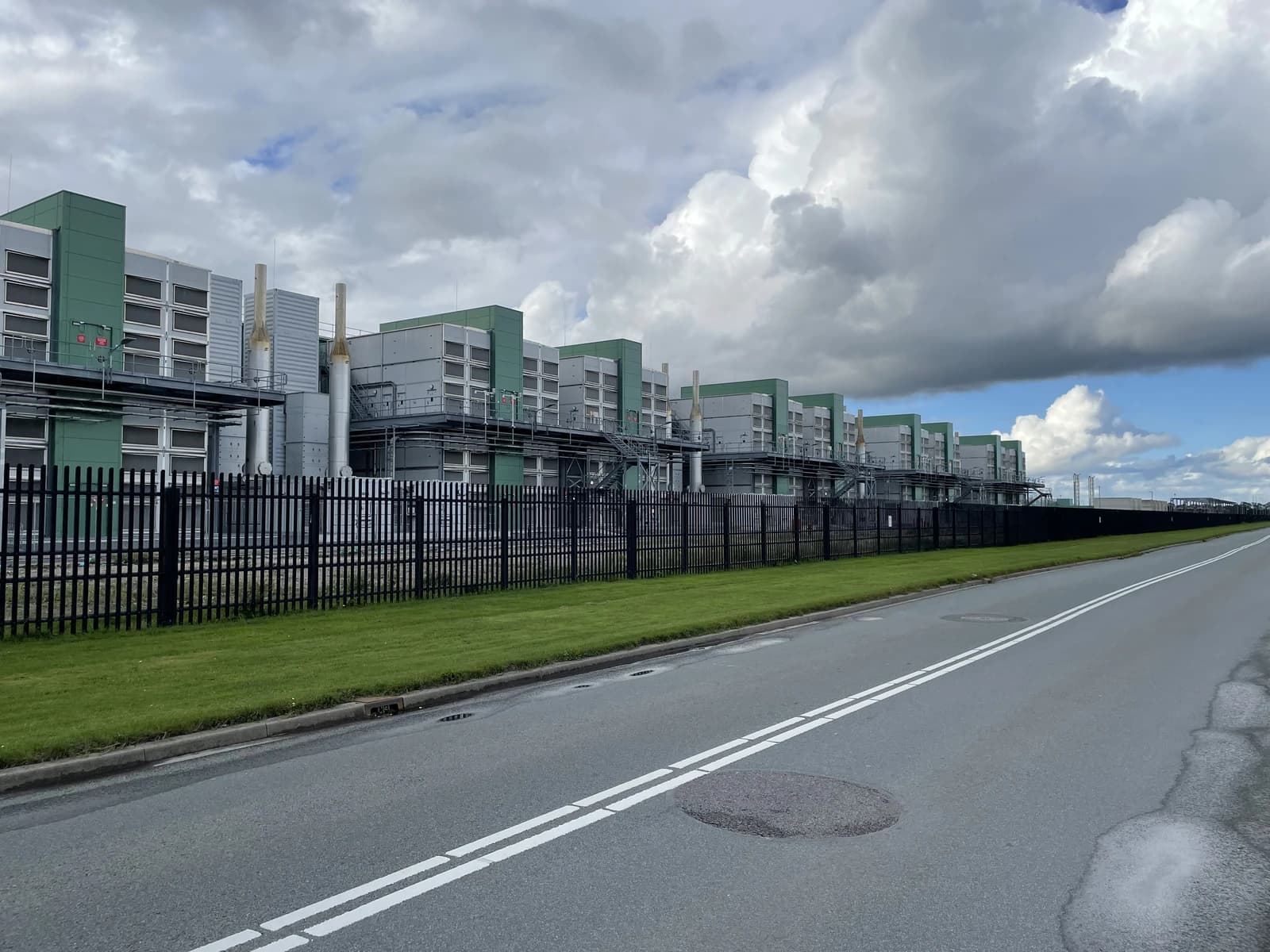
Energy and planning may be even bigger obstacles in Britain and elsewhere. The OECD says hyperscale datacentre buildouts can take up to three years, while securing multi-gigawatt power can take more than four. That mismatch helps explain why grid queues, land availability and permitting now sit at the centre of the AI investment thesis, especially in the UK, which is pushing toward 6GW of AI-capable capacity.
Investors should view the OECD report as a signal that AI spending is shifting from experimental to strategic. That tends to favor the major chipmakers, cloud platforms and data-center operators that already have scale, financing and power access. It also supports demand for utility infrastructure and grid capacity, while leaving smaller entrants exposed to rising capital intensity and longer delivery timelines.
But the bull case is not without risk. The OECD cautions that many headline figures reflect announcements rather than completed projects, and delivery still depends on supply chains, energy, water and changing political priorities. If those constraints slow construction, the current wave of commitments could prove more symbolic than operational, delaying returns for governments and investors alike.
For now, the message is clear: AI competitiveness is increasingly a race to secure compute, and the countries that can translate funding into power, hardware and datacentre capacity will be best placed to shape the next phase of the technology.
| Entity | Gains | Losses |
|---|---|---|
| UK government | ▲Domestic AI capacity | ▼Budget flexibility |
| Hyperscalers | ▲Scale advantage | ▼New competition |
| AI infrastructure suppliers | ▲Higher demand | ▼Supply constraints |
| UK researchers/startups | ▲More compute access | ▼Cloud lock-in risk |