Harwood, North Dakota, just became the outlier in America’s growing revolt against AI data centers — and that matters because the next phase of the AI boom will be won or lost not in Silicon Valley, but in towns deciding whether to say yes to power-hungry infrastructure.
Harwood, North Dakota votes on AI data centers

In ballot measures across the country Tuesday, voters overwhelmingly sided against data-center expansion. Of 45 data-center-related propositions, 44 landed on the anti-data-center side, according to Redbud Consulting. Harwood was the only place to buck the trend, rejecting a proposal that would have given residents more control over large-scale projects such as AI data centers.
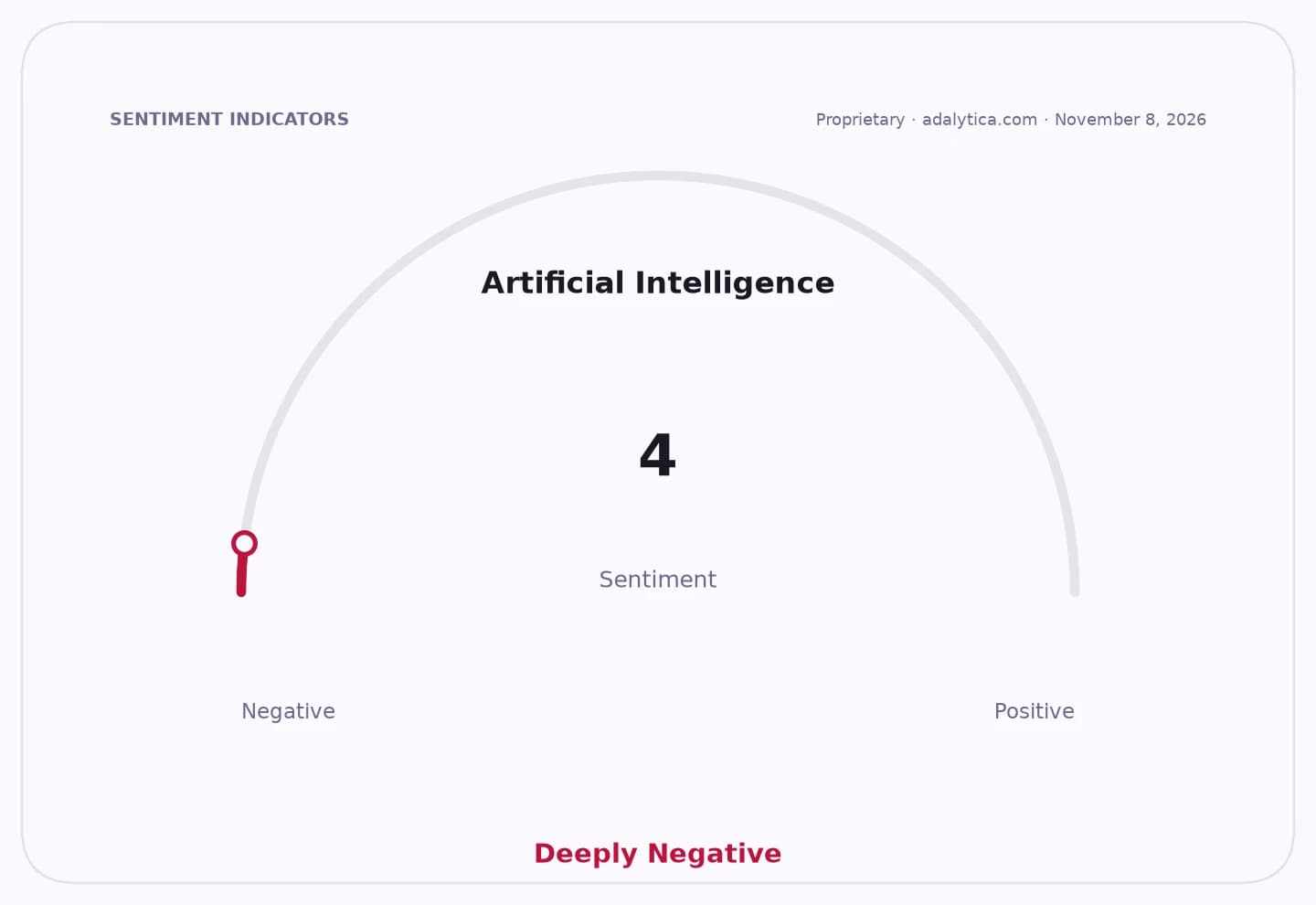
Sentiment Indicators
That may sound like a local zoning fight, but it is really a test of whether the AI buildout can keep accelerating at the speed investors have priced in. Data centers are the physical backbone of artificial intelligence, and the industry’s expansion depends on land, power, permits and political tolerance. When those inputs get scarcer, costs rise, timelines stretch and returns get harder to predict.
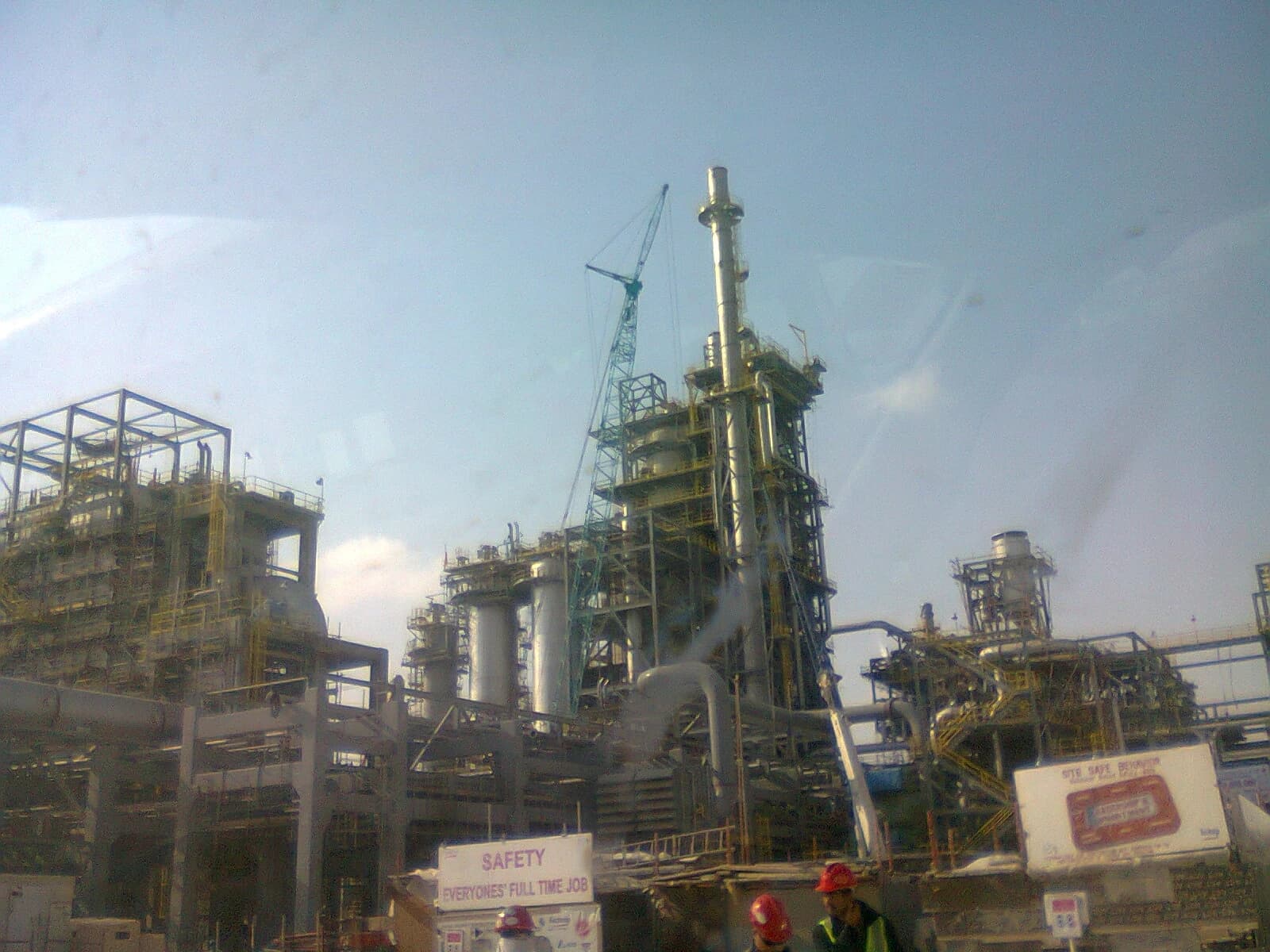
The Harwood vote is especially relevant because it is happening in the shadow of a $3 billion AI data center under construction there, a project large enough to cover 17 football fields and expected to employ about 200 people — roughly one-fifth of the town’s population. That is the kind of scale that is triggering backlash in communities worried about electricity bills, water use and whether the benefits justify the disruption.
For investors, the message is not that AI infrastructure is breaking. It is that the path to monetizing the boom is becoming more selective, and that the winners will increasingly be the firms that can secure power, land and local support fastest. Developers such as Applied Digital are exposed to execution risk when communities push back. The same is true, at a larger scale, for the hyperscalers and chipmakers whose capex plans assume an uninterrupted expansion of digital infrastructure.
The market has already started to notice. Semiconductor stocks have come under pressure amid the broader data-center backlash, reflecting concern that a more hostile permitting environment could slow deployments. That matters for Nvidia, Microsoft, Amazon and the rest of the AI ecosystem because their growth story depends not just on demand for compute, but on the ability to physically build the systems that deliver it.
Yet Harwood also shows why this story is not simply bearish. The town’s mayor said the community moved quickly because it wanted to avoid losing the project to Fargo, which points to the other side of the trade: places that welcome AI infrastructure can attract jobs, tax revenue and long-lived investment that small towns rarely see. In a capital-intensive cycle, governments and developers that move fastest will capture the economics, while those caught in opposition risk being bypassed.
That leaves investors with a clearer map of where the asymmetric opportunity lies. The market underestimates the value of the infrastructure stack around AI — utilities, grid equipment, power transmission, electrical contractors and land-heavy developers with political cover. It may also be underestimating how much valuation risk sits with companies that need seamless permitting and community acceptance to support aggressive growth plans.
Harwood is not the whole country, but it is the exception that proves the rule: AI is no longer just a software story, it is a real-world infrastructure race. The firms that can build through local resistance will compound fastest. The ones that cannot will see margins, schedules and multiples come under pressure.
| Entity | Gains | Losses |
|---|---|---|
| Applied Digital | ▲Gets project certainty | ▼Faces ongoing local pushback |
| AI infrastructure builders | ▲Faster approvals in friendly towns | ▼Higher permitting risk elsewhere |
| Utilities and grid suppliers | ▲More demand for power buildout | ▼Greater scrutiny on rates and load |
| Semiconductor stocks | ▲Long-term compute demand | ▼Near-term sentiment pressure |