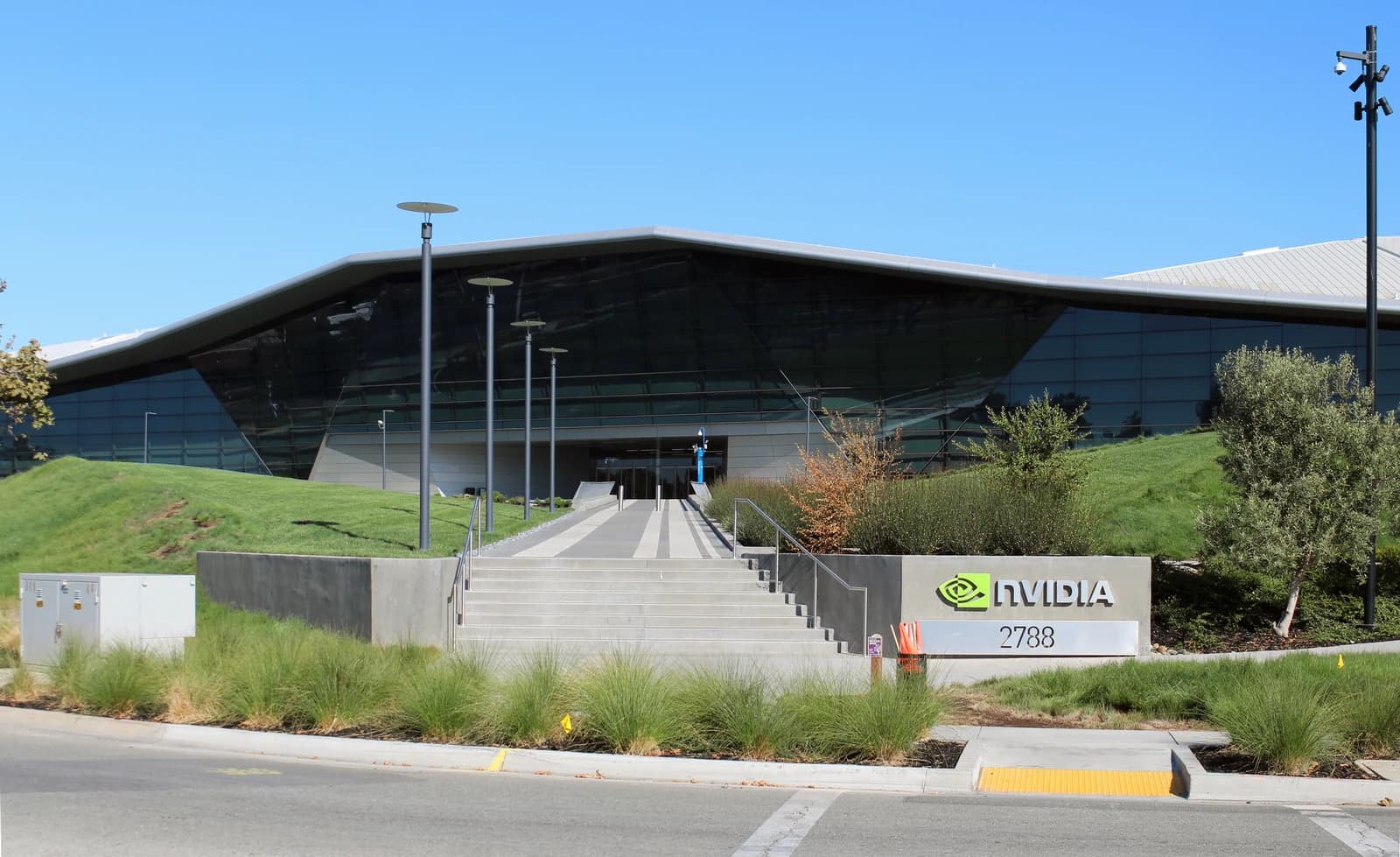
Nvidia’s selloff looks more like a buying opportunity than a warning shot, because the public backlash against new data centers is likely to slow some builds while making the AI infrastructure that does get approved more valuable, more scarce and more expensive.
Nvidia Pullback Tied to Data Center Backlash
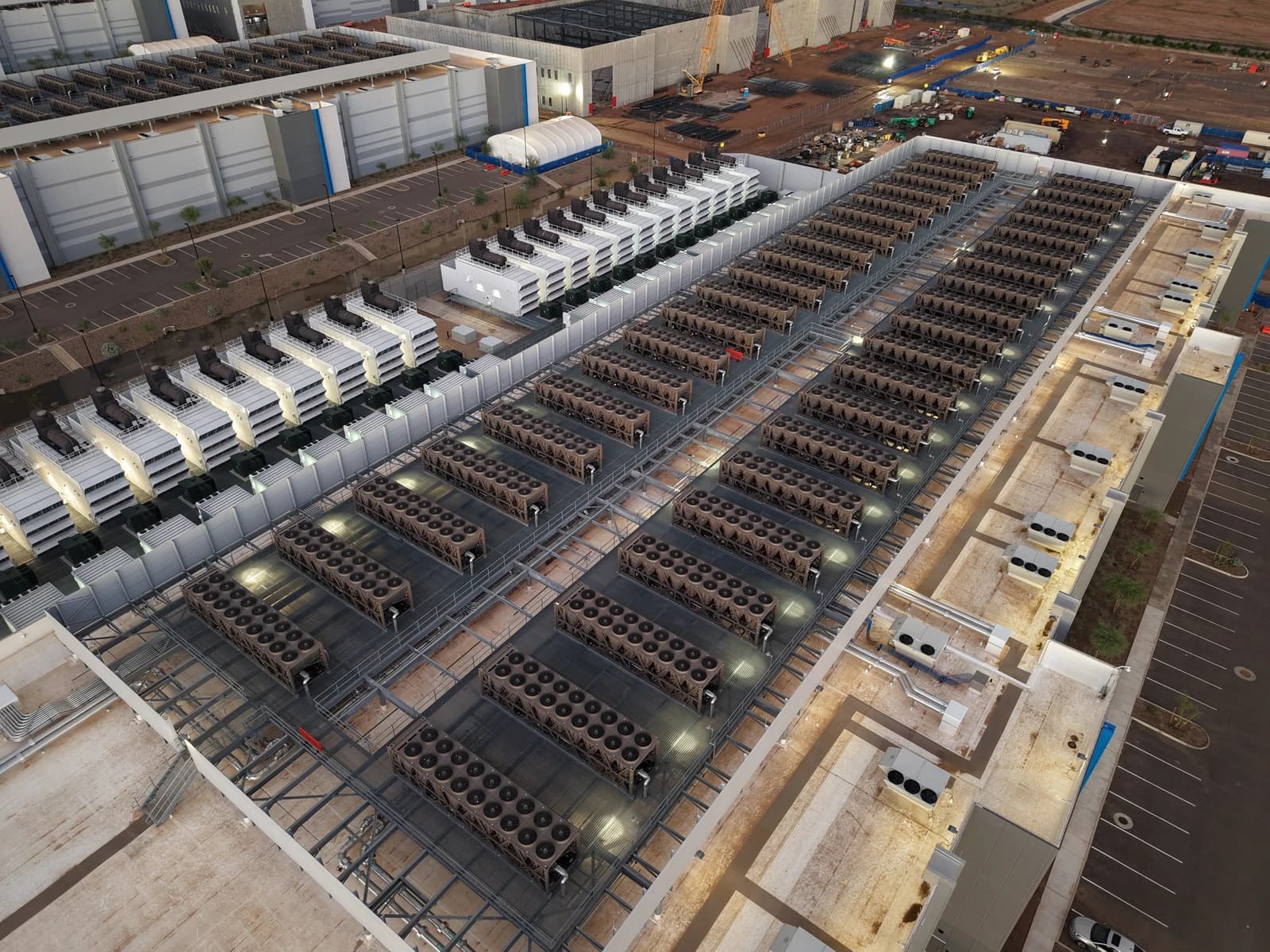
That is the key investment point the market is underestimating. If protests, permitting hurdles and political scrutiny make it harder to stand up large-scale compute campuses, hyperscalers and cloud builders will not abandon AI spending — they will concentrate it. That shifts capital toward the highest-performance chips, networking gear and systems that can maximize output per megawatt, per square foot and per regulatory headache. In that world, Nvidia is not just a chip supplier; it becomes the toll road on the most capital-intensive bottleneck in AI.
Sentiment Indicators
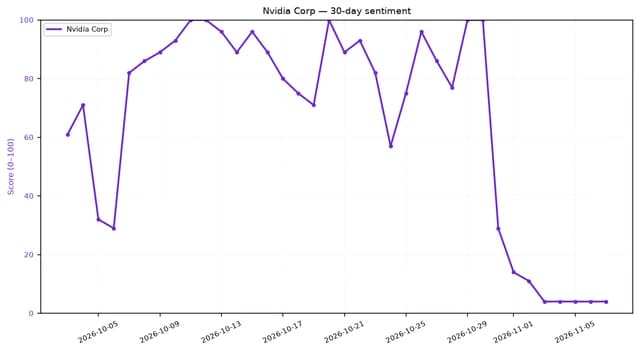
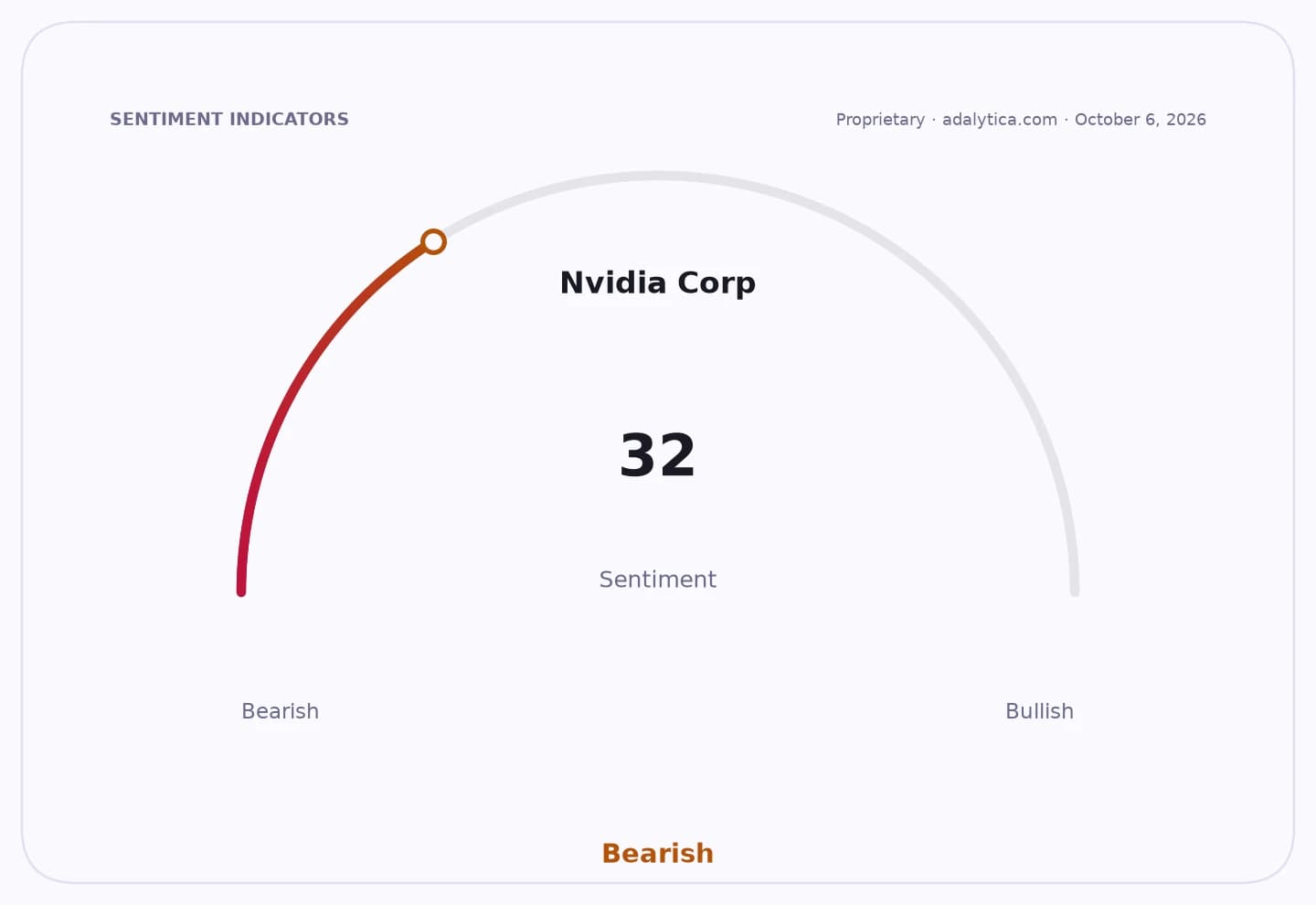
The stock has already absorbed a sharp reset. Nvidia closed at $186.64 on Nov. 6, down from $235.20 in mid-May, with its 14-day RSI at 29.6 — close to oversold territory — and the shares sitting below the 50-day moving average of $219.77. The company’s Adalytica earnings sentiment gauge is also flashing “Extreme Fear,” underscoring how quickly enthusiasm has reversed. But fear is often the wrong time to fade the dominant infrastructure play, especially when the underlying demand curve has not broken.
The bigger signal is in the economics of AI buildout. Nvidia disclosed in its latest filing that its supply and capacity commitments had jumped to $279 billion from $119 billion in the prior quarter, a reminder that hyperscale customers are still planning massive deployments even as the industry runs into power, land and permitting constraints. Microsoft’s share price tells a similar story of volatility around AI spending, but not retreat: the stock remains well above its 200-day moving average, and the company is still financing data-center expansion with another round of debt. That is not what a capex bust looks like.
The Amsterdam protest that disrupted Microsoft’s data-center construction is a small event in market terms, but it captures a broader European reality. Governments and communities are increasingly pushing back against the environmental and social footprint of AI campuses, from electricity use to water demand and land consumption. The result is likely to be fewer but larger and more efficient projects, which plays directly into Nvidia’s strengths. When every build becomes harder, buyers optimize harder — and that tends to favor the vendors with the strongest performance per watt and the deepest ecosystem lock-in.
There is also a second-order benefit for Nvidia’s partners. Taiwan Semiconductor Manufacturing Co., the contract manufacturer behind Nvidia’s advanced silicon, has seen its own shares slide alongside the sector, with TSM trading at $375.44 on Nov. 6 after a sharp drop from the prior session. Yet any slower, more selective data-center rollout still leaves the long-term compute race intact. Investors should think less about canceled demand than about delayed demand accumulating behind a tighter supply chain.
The market is pricing in fear, not scarcity. That is the opening. For investors, the asymmetric bet is not that every data center gets built — it is that the ones that survive the political and regulatory gauntlet will be bigger, denser and more dependent on Nvidia hardware than ever. Buy the pullback, and let the crackdown on data-center expansion work in Nvidia’s favor.
| Entity | Gains | Losses |
|---|---|---|
| Nvidia | ▲Scarcity premium on AI chips | ▼Short-term sentiment damage |
| Microsoft | ▲More efficient project selection | ▼Permitting delays and scrutiny |
| TSMC | ▲Advanced-node demand persists | ▼Near-term volatility in AI hardware orders |
| Protesters/regulators | ▲More leverage on project approvals | ▼Slower infrastructure rollout |