Nvidia chief Jensen Huang was interrupted by Greenpeace activists in Berlin, putting the chipmaker’s AI boom under a sharper political spotlight just as its hardware remains central to the global race for artificial intelligence.
Nvidia Berlin protest adds AI spotlight
The protest matters because Nvidia has become the most visible symbol of the power-hungry AI buildout, with its chips embedded across data centers, model training and creative software. That makes the company a target not just for competitors and regulators, but for campaigners pressing the industry on energy use, emissions and the broader social cost of scaling AI.
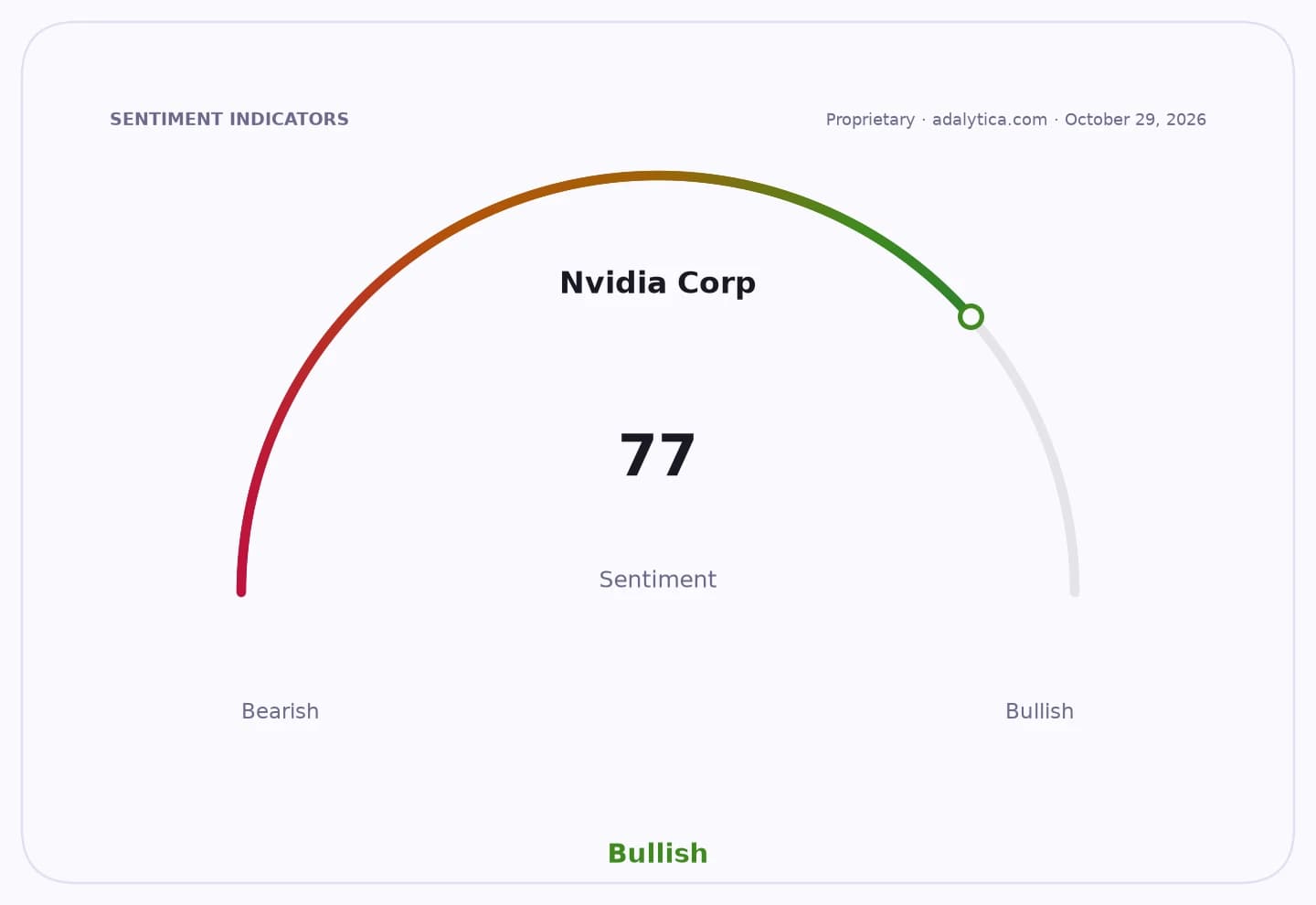
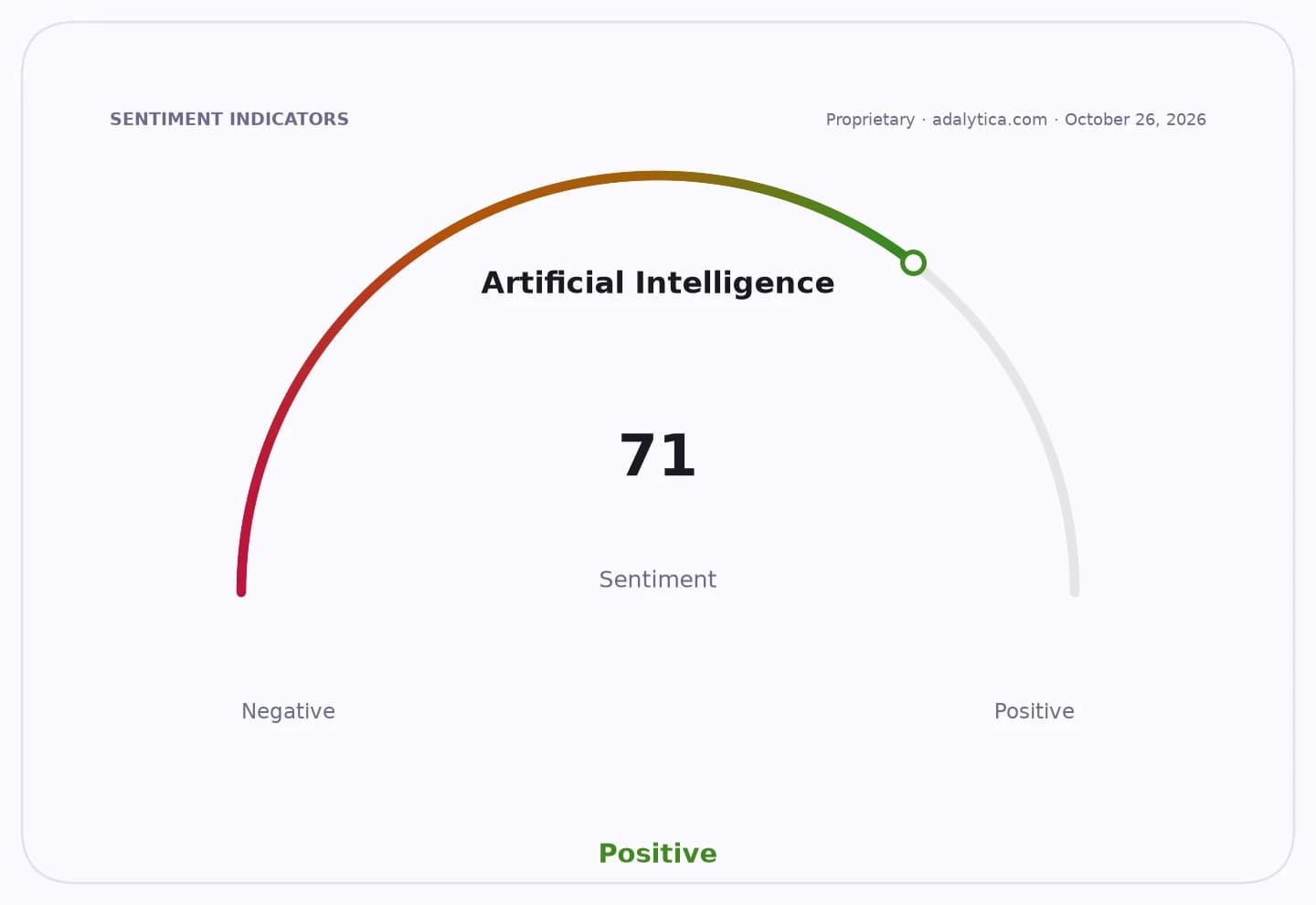
Sentiment Indicators
The interruption came during a presentation of new AI systems, underscoring how Nvidia’s product launches and partner events increasingly carry reputational risk as well as commercial upside. The company has been widening its reach into software ecosystems, including Adobe’s creative tools, while also leaning on a broad supplier base and foundry partners such as Taiwan Semiconductor to meet demand.
Investors have mostly focused on the upside: Nvidia’s shares have still been trading far above their 200-day moving average, even after recent volatility, with the stock closing at $216.00 on Oct. 26 after touching a recent high above $227. But momentum has cooled from earlier peaks, and the stock has slipped back toward its 50-day average, reflecting a market that is still bullish on the AI trade but increasingly sensitive to any headline risk around valuation, regulation or infrastructure constraints.
The broader backdrop is one of crowded positioning in both Nvidia and the wider U.S. equity market, where proprietary Adalytica signals show extreme fear in the S&P 500 even as awareness remains elevated. That split suggests investors are alert to headlines that could hit sentiment in the AI complex, even if the fundamental demand story remains intact.
For now, the protest is unlikely to alter Nvidia’s near-term business trajectory, but it adds another layer of scrutiny to a company at the center of the AI capex cycle. The next catalysts will be whether demand for its latest systems keeps translating into orders fast enough to justify the rally — and whether the political backlash around energy use grows louder.
| Entity | Gains | Losses |
|---|---|---|
| Greenpeace activists | ▲Visibility | ▼Access to stage |
| Nvidia | ▲Publicity from attention | ▼Reputational calm |
| AI buyers and partners | ▲Ongoing product rollout | ▼Higher scrutiny |
| Short sellers / skeptics | ▲Fresh headline risk | ▼Bullish momentum |