Nvidia’s growing pull into optical components and 3M’s expanded commercial deal with Amazon point to the same investment theme: the next leg of AI spending is moving deeper into the supply chain, where demand for connectivity, materials and precision hardware can compound even if headline chip stocks wobble.
Nvidia and 3M Point to AI Supply Chain

That matters because the market still tends to treat AI as a GPU story alone. In reality, every dollar of hyperscaler capex cascades into networking, optics, thermal management, advanced materials and packaging. The companies supplying those layers can capture steadier, less cyclical revenue than the platform names, while investors get exposed to the same secular buildout with less valuation risk.
Sentiment IndicatorsⓘProprietary · adalytica.com · October 25, 2026
This is a snapshot — live sentiment, awareness and momentum for 130+ markets update continuously in the dashboard.Open AlphaPulse
Nvidia shares have been volatile, but the stock still sits well above its 200-day moving average at around $203 and has repeatedly attracted buyers on weakness. The broader setup remains intact even after recent selling: the 50-day average is near $223, while the latest close at $210.96 shows the market is still consolidating after a huge run. Technical readings are cooling, with RSI near 22, but that often marks exhaustion rather than trend failure in a structurally strong name.
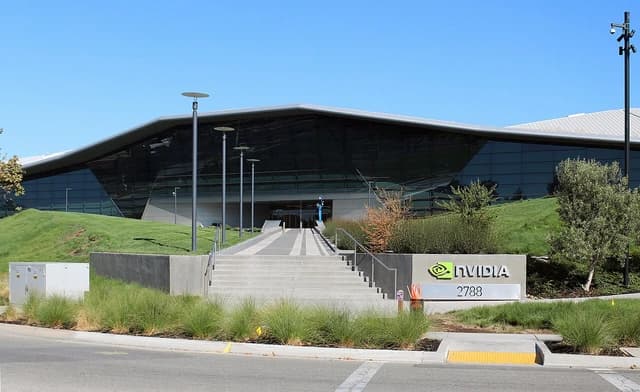
The bigger takeaway is that Nvidia is no longer just a compute vendor. As AI clusters get larger and denser, optics become critical to move data efficiently between chips, servers and racks. That opens the door to suppliers across semiconductors, optical interconnects and high-performance components. The market underestimates how much of the AI boom is shifting from pure silicon toward the infrastructure that makes silicon usable at scale.
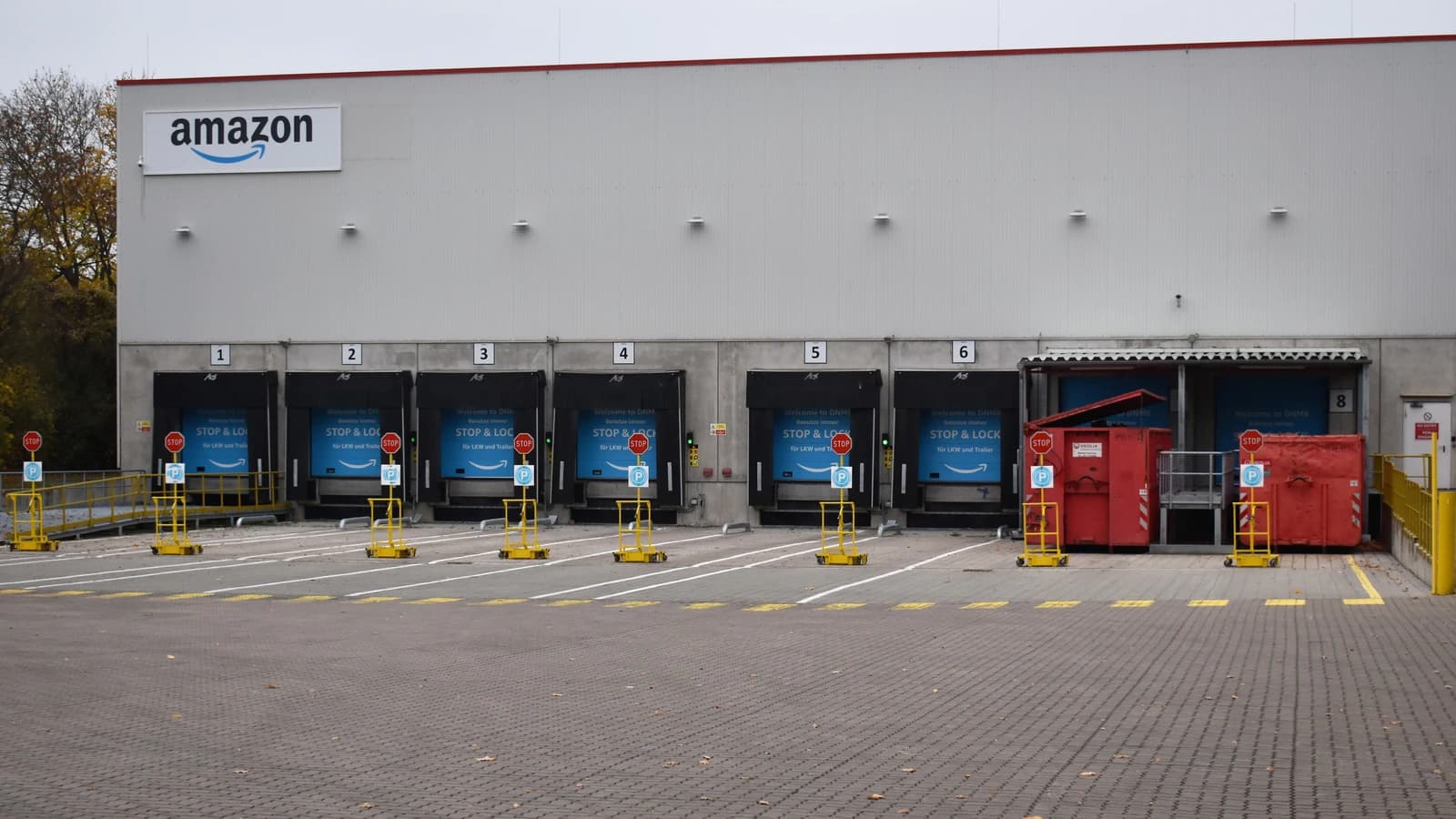
3M’s move with Amazon reinforces the same thesis from another angle. The company disclosed on Oct. 19 that it entered into an expanded strategic commercial relationship with a wholly owned Amazon subsidiary and issued a warrant tied to the deal. The stock jumped as much as 6% on the news, a sign investors see more than a one-off contract: they are pricing in a more durable relationship with one of the world’s most important logistics and cloud operators.
For 3M, that is meaningful because the company has spent years trying to prove that its industrial portfolio can deliver growth, not just margin defense. A deeper Amazon relationship can validate its position in materials, packaging, industrial supply and operational efficiency products — areas that benefit when e-commerce, automation and data-center buildouts keep expanding. The stock’s move suggests the market is willing to reward companies that become indispensable to the AI and logistics capex cycle.
The investment implication is clear. The obvious trade is Nvidia, but the more asymmetric opportunity may sit in the picks-and-shovels layer around it: optical component suppliers, interconnect names, advanced materials providers and industrials tied to warehouse automation and data-center infrastructure. If AI capex keeps accelerating, the next winners will be the companies that make the network faster, cooler and more reliable.
For investors, that argues for staying long the infrastructure spend rather than chasing every software headline. Nvidia remains the anchor, but the real upside may be in the less crowded names riding the same capex wave. When the market finally broadens its view of AI, these suppliers can re-rate quickly.
| Entity | Gains | Losses |
|---|---|---|
| Nvidia | ▲optical supply-chain leverage | ▼narrow-chip-only valuation view |
| 3M | ▲Amazon revenue and validation | ▼skeptics of industrial growth |
| Amazon | ▲supplier leverage and infrastructure support | ▼higher procurement concentration |
| Optical component suppliers | ▲AI interconnect demand | ▼legacy networking vendors |