Samsung Electronics is weighing whether to hand some production of Nvidia’s next-generation memory base crystals to TSMC, a move that would underscore just how quickly the AI hardware supply chain is reorganizing around the world’s biggest chip names.
Samsung weighs TSMC help for Nvidia HBM parts

That matters because the decision is not really about one component. It is about who gets to control the most critical bottlenecks in high-bandwidth memory, or HBM, the fast memory stack that has become essential for AI accelerators. If Nvidia is pushing Samsung, SK hynix and Micron toward a more standardized process for the base crystal in NVHBM, the implication is clear: the AI chip ecosystem is moving toward tighter manufacturing rules, more outsourcing and less room for each supplier to do things its own way.
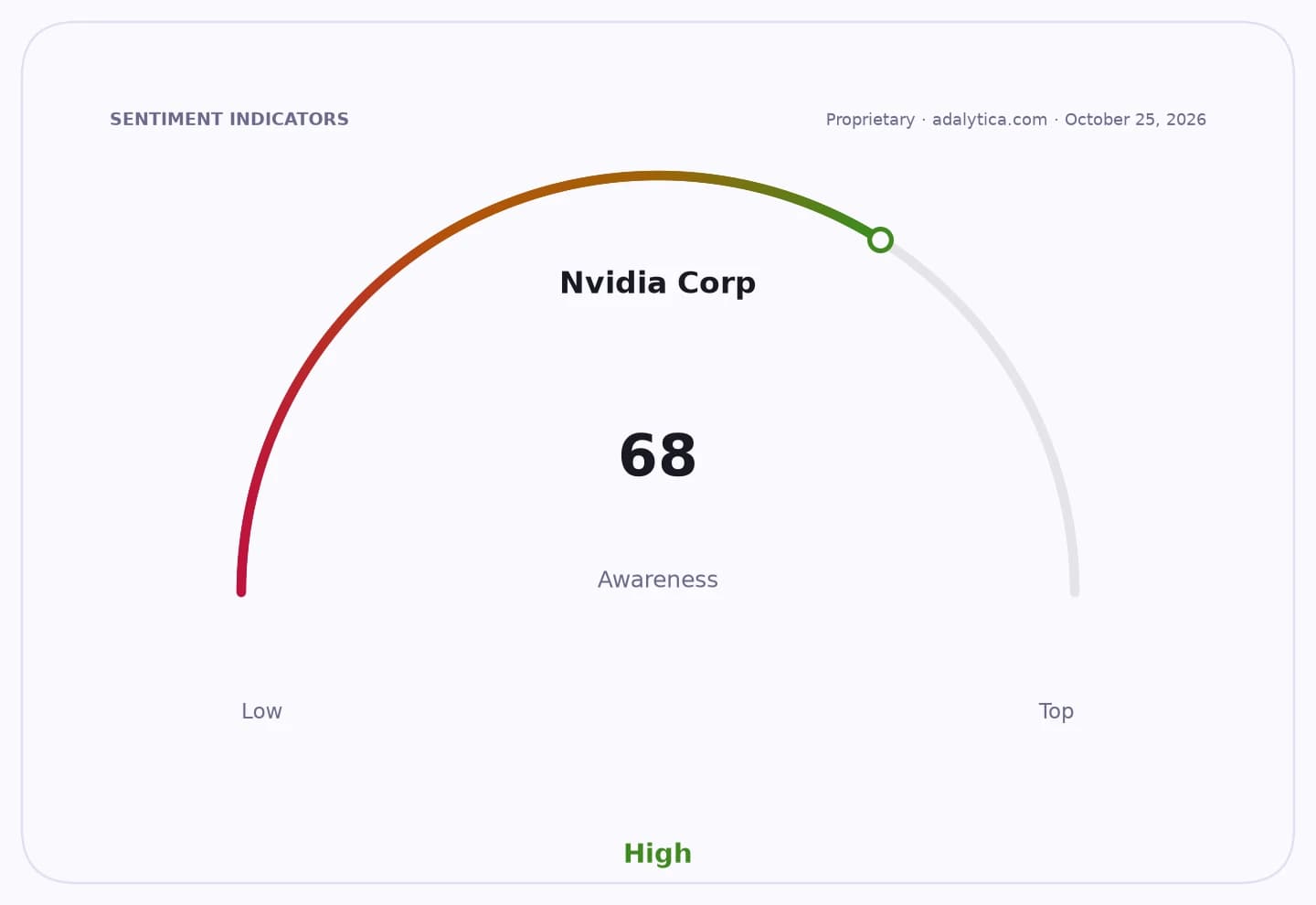
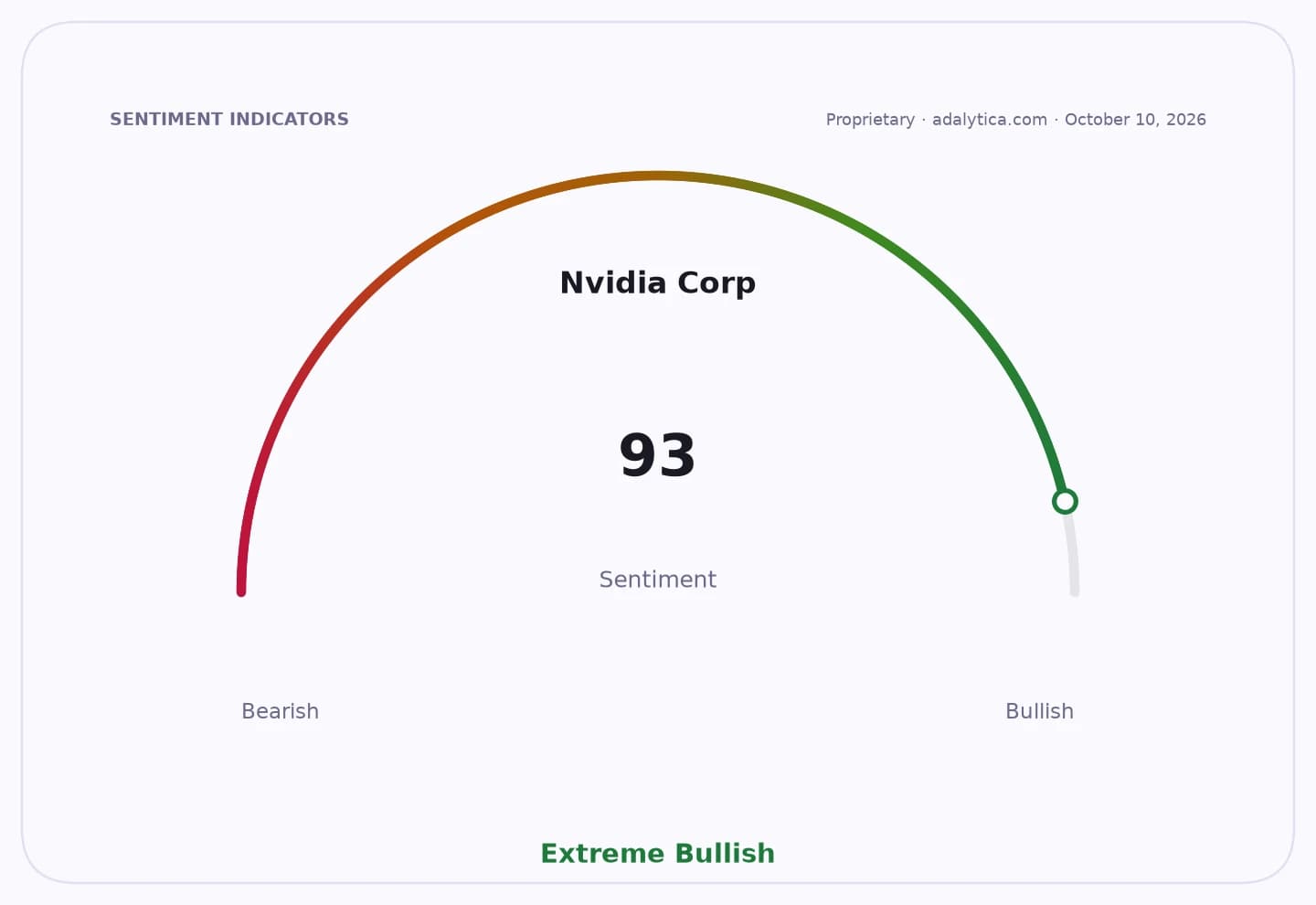
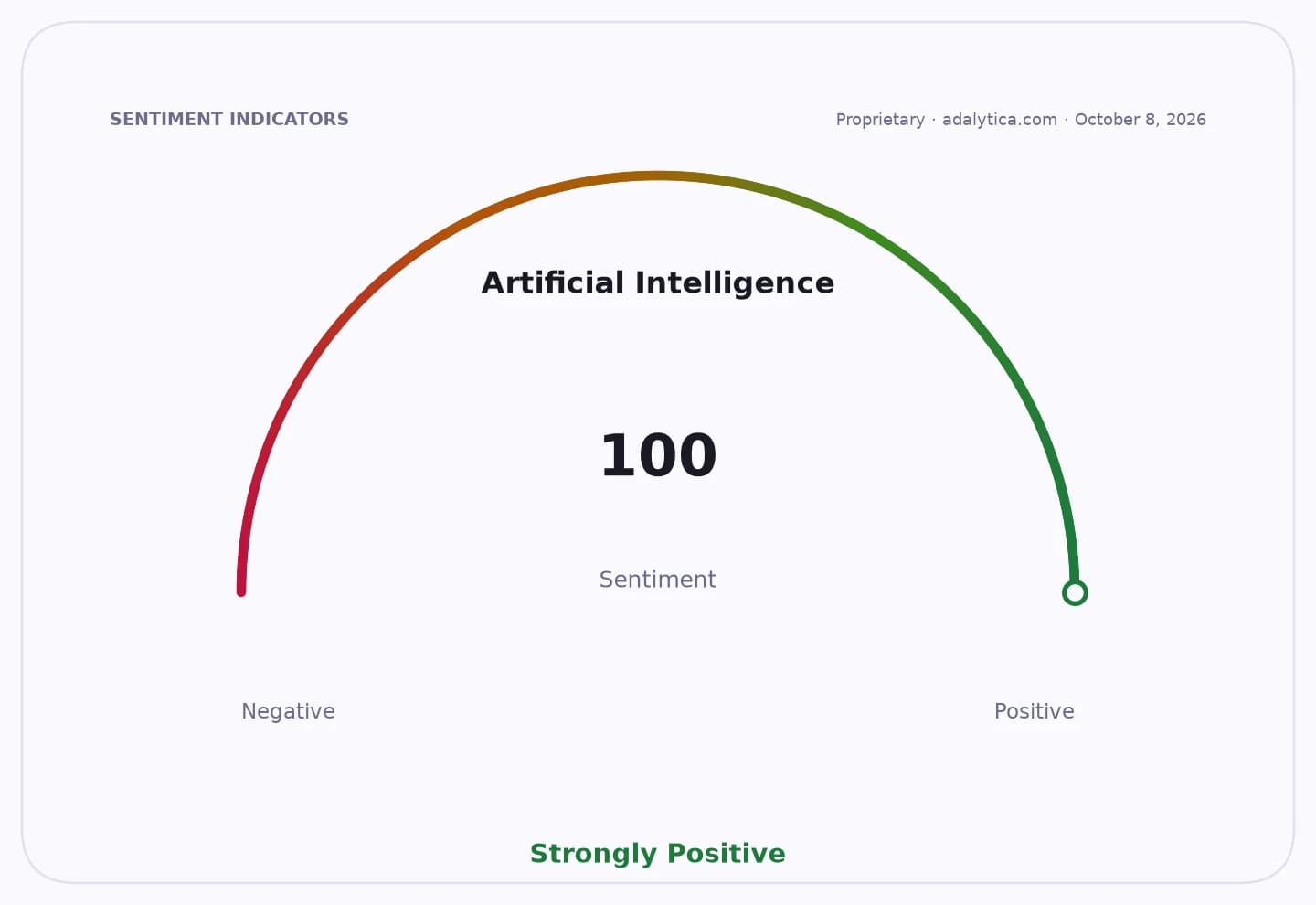
Sentiment IndicatorsⓘProprietary · adalytica.com · October 26, 2026
This is a snapshot — live sentiment, awareness and momentum for 130+ markets update continuously in the dashboard.Open AlphaPulse
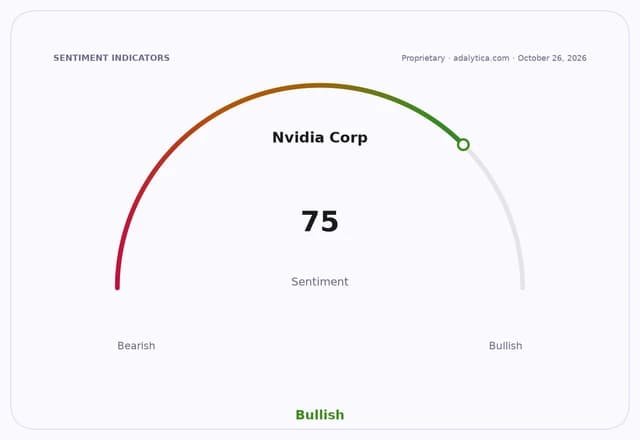
For investors, that is a meaningful shift. Samsung has long tried to keep more of the value chain in-house, but the possibility of using TSMC’s 3-nanometer process suggests performance and customer requirements may now matter more than manufacturing pride. In the AI boom, the winners are likely to be the suppliers that can meet Nvidia’s specifications quickly and at scale, even if that means sharing work with a rival foundry. That could support TSMC’s already powerful position in advanced chipmaking, while also helping Samsung preserve its place in a market where missing a design win can be far more costly than ceding a single manufacturing step.
The backdrop is a supply chain that is already being stretched by surging demand for AI infrastructure. Nvidia has disclosed that its supply and capacity commitments jumped to $279 billion as of July 26, from $119 billion in the prior quarter, a reminder that the company is still struggling to line up enough manufacturing muscle for its products. When demand is rising that fast, component standardization can become a competitive advantage, because it helps customers compare suppliers, simplify production and reduce execution risk.

Samsung’s stock has not exactly reflected confidence in the near term. The shares have fallen to 213,750 won from 321,645 won in early June, and the stock’s relative strength index is deeply oversold at just 20.1, a sign the market is already skeptical about the pace of the rebound. Nvidia, by contrast, remains the clear demand engine for the entire HBM chain, even as its own shares have eased from the August highs. TSMC also sits at the center of the story, because any additional advanced-node work tied to AI memory would reinforce its role as the default manufacturing partner for the most complex chip designs.
Still, this is not yet a confirmed deal. South Korean media reports suggest Samsung is still considering whether to make the base crystals internally or outsource them to TSMC depending on customer needs, and the companies have not announced a final arrangement. That means investors should treat the development as a strategic signal, not a finished transaction.
But the direction of travel is what counts. AI memory is becoming more standardized, more demanding and more dependent on a handful of indispensable suppliers. If Samsung does end up sharing work with TSMC for Nvidia’s NVHBM, it would be another sign that scale, process technology and customer alignment are now the real moat in semiconductors. For long-term investors, that keeps Samsung, TSMC and Nvidia firmly on the watchlist.
| Entity | Gains | Losses |
|---|---|---|
| TSMC | ▲More advanced-node work | ▼Less room for rivals |
| Samsung | ▲Nvidia relationship preserved | ▼Less manufacturing control |
| Nvidia | ▲More standardized supply | ▼Fewer supplier options |
| SK hynix and Micron | ▲Clearer industry specs | ▼Need to keep pace |