AMD chief executive Lisa Su’s return to Samsung Electronics’ Seoul headquarters underscores where the next phase of the AI boom is being fought: access to advanced memory, packaging and foundry capacity. For investors, the significance is bigger than another executive meeting. It points to a widening supply-chain battle around AI accelerators, where AMD is trying to scale its challenge to Nvidia and Samsung is looking to turn its semiconductor unit into a larger beneficiary of AI infrastructure spending.
AMD Meets Samsung on AI Memory Supply
Su said she would discuss a “broader partnership” with Samsung, after meeting Samsung Device Solutions chief Jeon Young-hyun for the second time this year. The companies already agreed in March to deepen cooperation on next-generation AI memory and computing, including Samsung supplying HBM4 for AMD’s upcoming Instinct MI455X accelerator and expanding work on DDR5 and foundry opportunities.
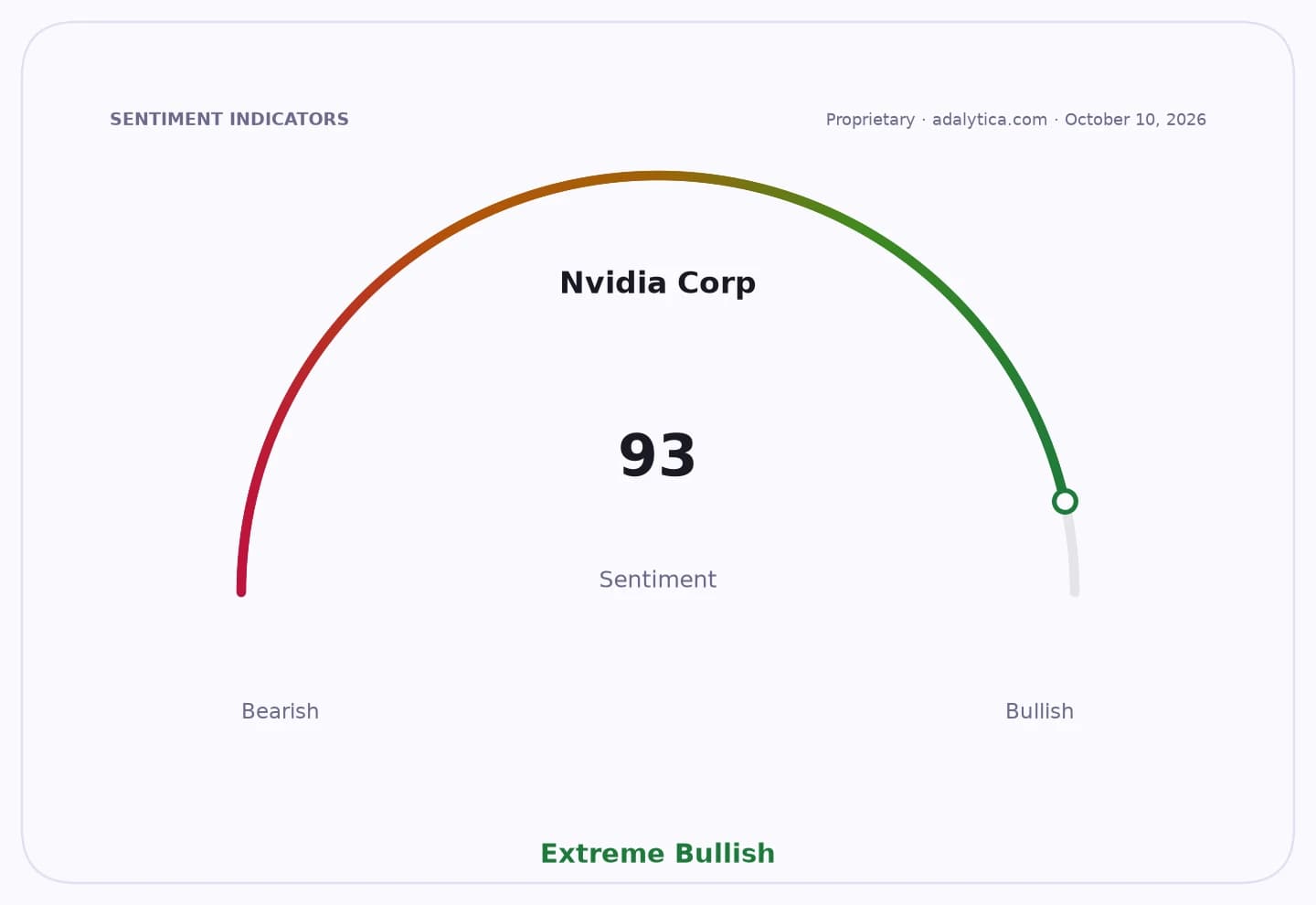
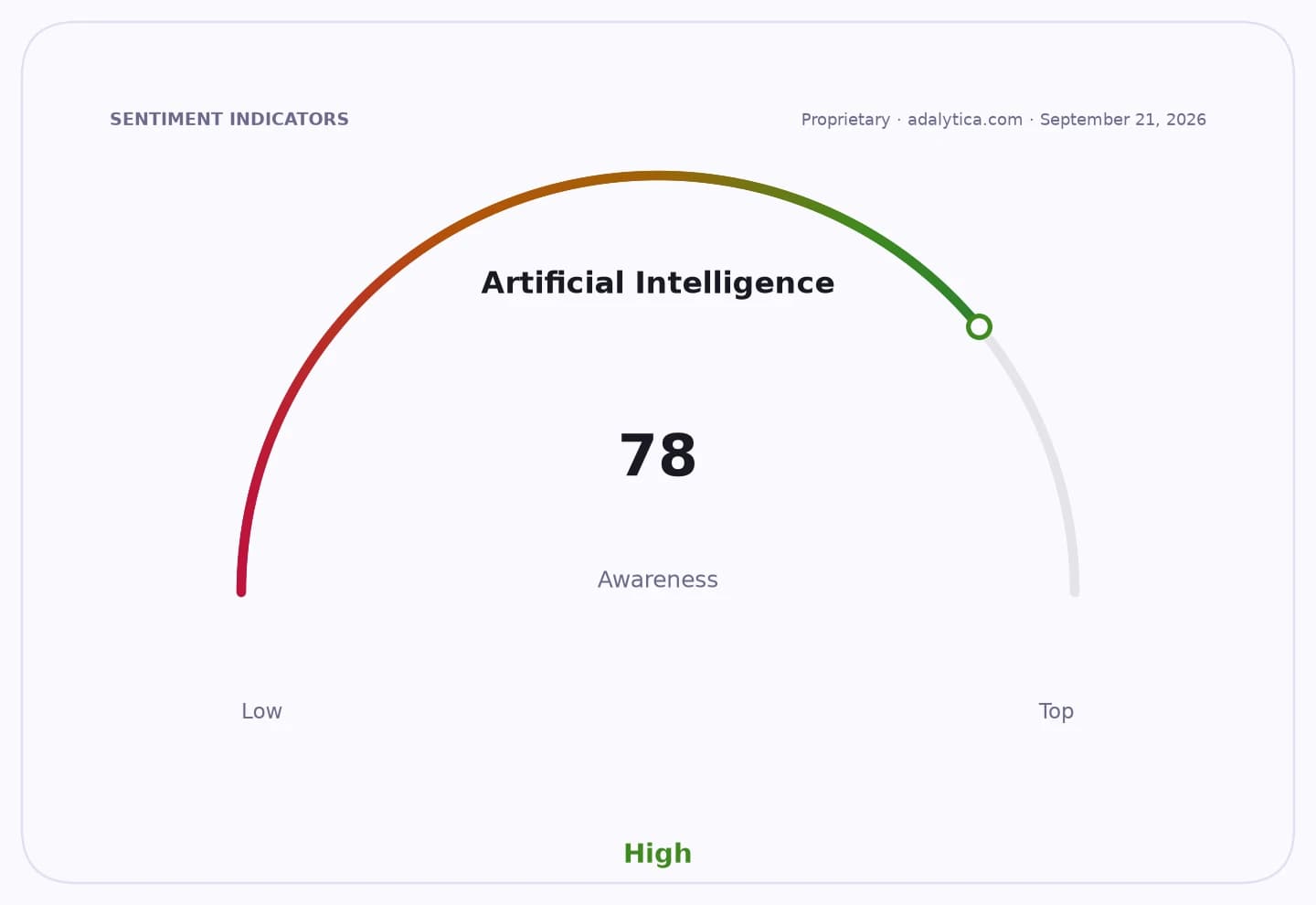
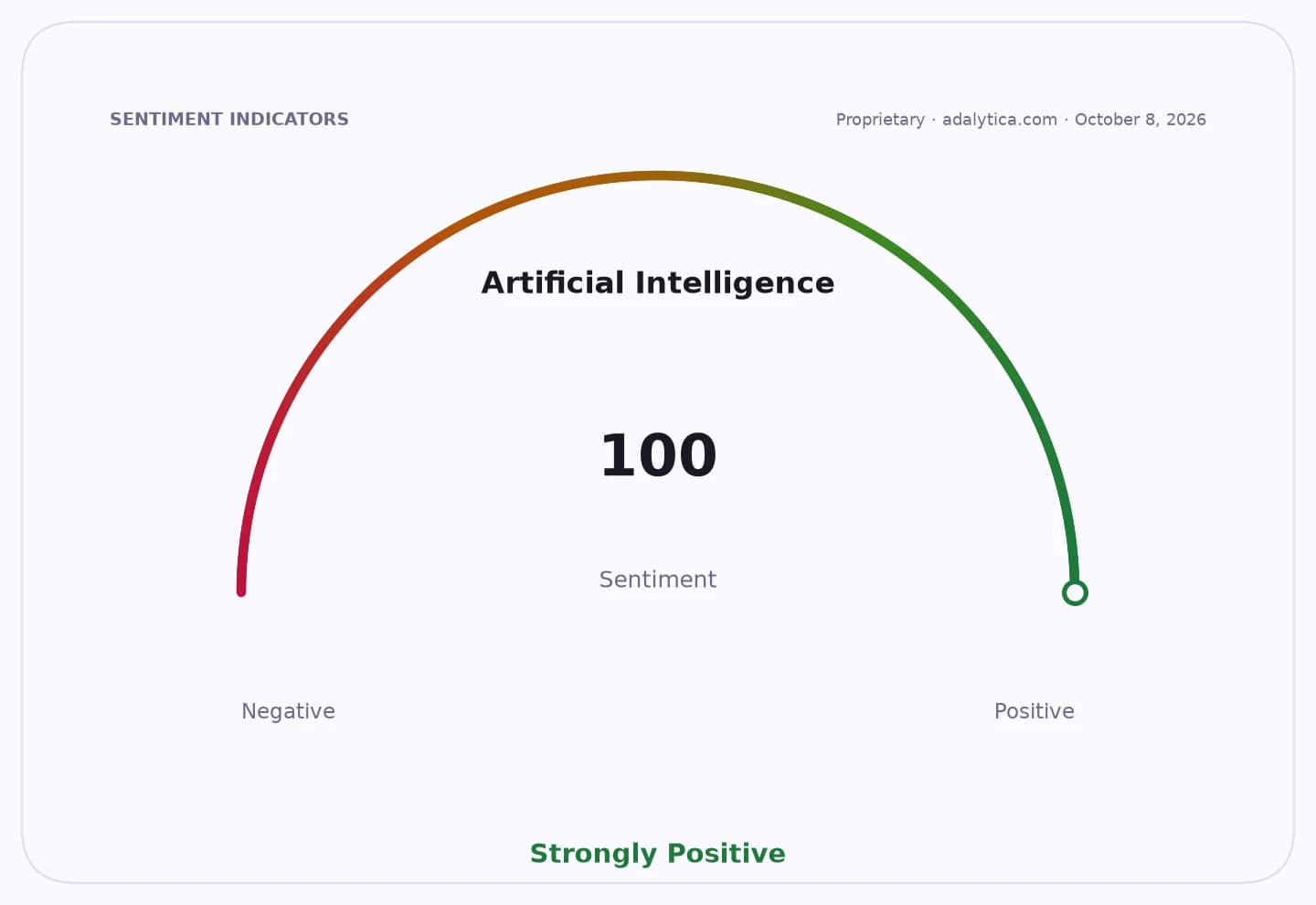
Sentiment IndicatorsⓘProprietary · adalytica.com · October 8, 2026
This is a snapshot — live sentiment, awareness and momentum for 130+ markets update continuously in the dashboard.Open AlphaPulse
That matters because AI hardware is no longer just a chip design story. The market underestimates how much value is shifting to the suppliers that can deliver the memory bandwidth, advanced packaging and manufacturing scale required by the latest accelerators. HBM has become one of the scarcest and most strategic components in AI computing, and Samsung’s ability to win a bigger role could influence margins, supply availability and pricing across the whole ecosystem.
The timing also fits a broader industrial backdrop. U.S. manufacturing output and capex remain resilient, while the 10-year Treasury sits above 5%, keeping financing conditions tight even as AI spending stays aggressive. In that environment, companies with direct exposure to AI infrastructure spending — not just the headline chipmakers — can capture a disproportionate share of the next leg of growth. That is why the AMD-Samsung relationship matters to investors: it could broaden AMD’s supply base and help Samsung close the gap with rivals in a market where execution, not just innovation, is determining winners.
For AMD, closer ties with Samsung could improve the company’s ability to secure memory for future accelerators and diversify supply risk as it ramps its data-center AI portfolio. AMD shares have already been strong, and the stock’s technical picture shows it has been trading well above its 50-day and 200-day moving averages, with elevated RSI readings that reflect powerful momentum. But the real upside case is not about a short-term move; it is about AMD proving it can become a durable second source in AI accelerators and translate design wins into recurring platform share.
Samsung, meanwhile, stands to gain if AI memory demand keeps tightening and if it can convert strategic partnerships into higher-value supply contracts. The company has been working to reposition its semiconductor division after missing some of the early AI memory rush, and deals with AMD help validate that turnaround effort. If Samsung can pair HBM supply with foundry participation, it could strengthen its relevance in AI supply chains that are still in the early innings.
The meeting with AMD comes after Su also met SK Hynix chief Kwak Noh-jung, a reminder that the AI memory race is now a supplier-driven arms race. That is the opportunity investors should focus on: the bottleneck is not demand, it is capacity. The companies that control the memory, packaging and manufacturing pipelines will capture the tolls on the AI supercycle.
My takeaway: AMD remains one of the better ways to play the AI acceleration buildout, but Samsung may be the more overlooked beneficiary if it keeps turning strategic meetings into real supply agreements. This is the kind of partnership that can re-rate both stocks over time, especially if AI capex stays on its current exponential path.
| Entity | Gains | Losses |
|---|---|---|
| AMD | ▲deeper supply access | ▼less dependence on one vendor |
| Samsung Electronics | ▲AI memory validation | ▼slower catch-up risk |
| SK Hynix | ▲continued HBM demand | ▼tighter competition |
| Nvidia | ▲broader ecosystem support | ▼harder supplier lock-in |