Nvidia and Samsung Electronics are seeing their forward price-to-earnings ratios fall even as their earnings outlook improves, a sign that profits are growing faster than share prices and investors are no longer paying the same premium for future growth.
Nvidia, Samsung Forward P/E Ratios Fall
That matters because the market is starting to separate operational execution from valuation expansion. Nvidia’s 12-month forward P/E has slipped to about 18, the lowest since 2019, while Samsung’s has dropped to around 4 from roughly 15 a year ago. In both cases, the lower multiple is not coming from weak equities alone; it reflects a sharp rise in projected earnings per share, with the denominator outrunning the stock price.
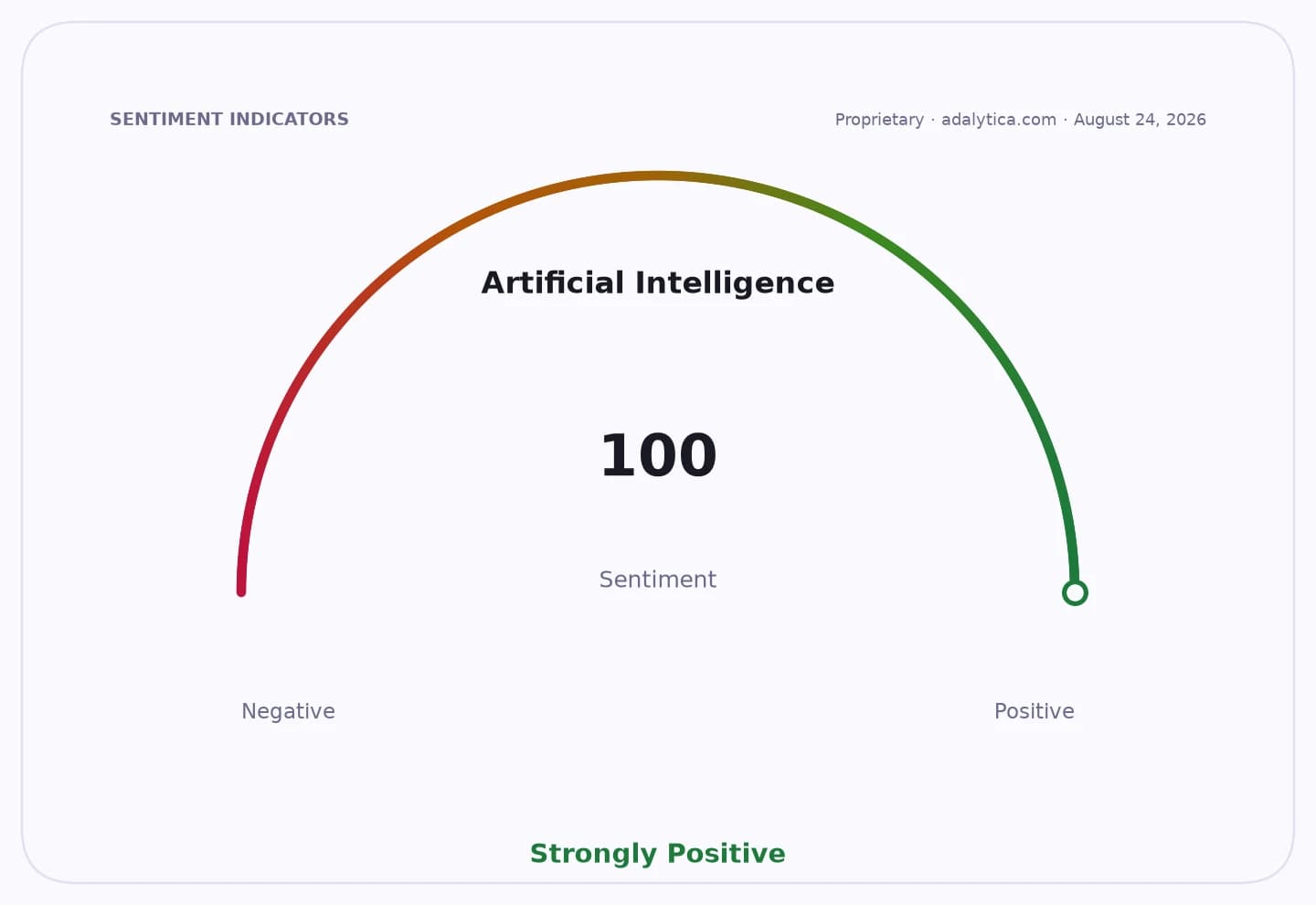
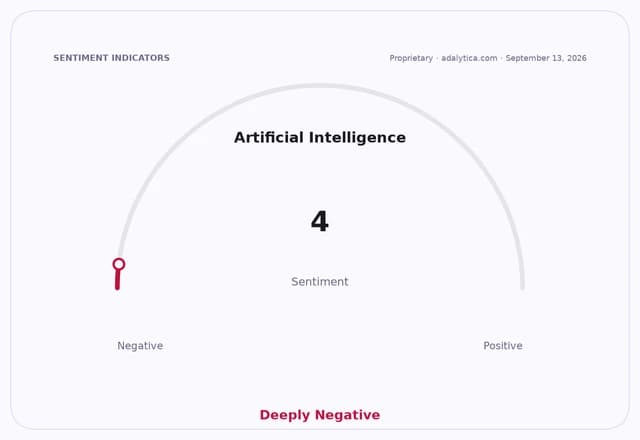
Sentiment IndicatorsⓘProprietary · adalytica.com · September 13, 2026
This is a snapshot — live sentiment, awareness and momentum for 130+ markets update continuously in the dashboard.Open AlphaPulse

For Nvidia, the move underscores how much of the AI boom has already been translated into actual cash flow and profits. The stock has spent years pricing in explosive demand for AI chips, and the company’s earnings have now caught up enough to compress the multiple. That is usually a healthier version of de-rating than one driven by deteriorating fundamentals. It suggests the market is no longer valuing Nvidia only on narrative, but on earnings already being delivered.
Samsung’s case is more complicated, and more important for investors. Strong demand for high-bandwidth memory, or HBM, and a broader recovery in memory chips have lifted earnings sharply, pulling the P/E down despite a rising share price. But memory remains a deeply cyclical business. A forward multiple near 4 can indicate value if this is a structural reset in profitability; it can also be a warning that the market does not believe today’s margins will last. The difference between those two outcomes will determine whether Samsung deserves a rerating or is merely at the top of another semiconductor upcycle.
The economic implication is broader than two stocks. Both companies sit at the center of the global AI and semiconductor supply chain, so rising profits there point to real demand, not just speculative enthusiasm. The data also show that markets can move from expansion of valuation multiples to earnings-led performance once the initial hype phase is over. That usually favors companies with strong manufacturing capacity, pricing power and customer lock-in, while punishing names whose profits are more cyclical or more exposed to supply swings.
For investors, the key question is not whether the P/E ratios are low, but whether the earnings underpinning them are durable. Nvidia still has the advantage of structural AI demand and a business model with higher visibility than most chipmakers. Samsung’s upside depends more heavily on whether AI-related memory demand becomes a new baseline rather than a temporary shortage cycle. If forecasts keep rising and results keep validating them, both stocks could justify higher multiples again. If earnings momentum stalls, especially at Samsung, a low P/E may prove to be a trap rather than a bargain.
| Entity | Gains | Losses |
|---|---|---|
| Nvidia longs | ▲Earnings-led revaluation | ▼Multiple-chasing buyers |
| Samsung shareholders | ▲AI/HBM profit rebound | ▼Cycle skeptics |
| AI chip suppliers | ▲Higher demand visibility | ▼Discount-rate worried investors |
| Short sellers | ▲Lower valuation support | ▼Sustained earnings momentum |