Nvidia Chief Executive Jensen Huang said the AI chip surge is unlikely to trigger a memory-chip glut by 2029, reinforcing the view that artificial intelligence infrastructure spending still has room to run and that suppliers across the semiconductor stack can keep pricing power for longer than some investors fear.
Nvidia's Huang Says AI Chip Surge Won't Glut Memory
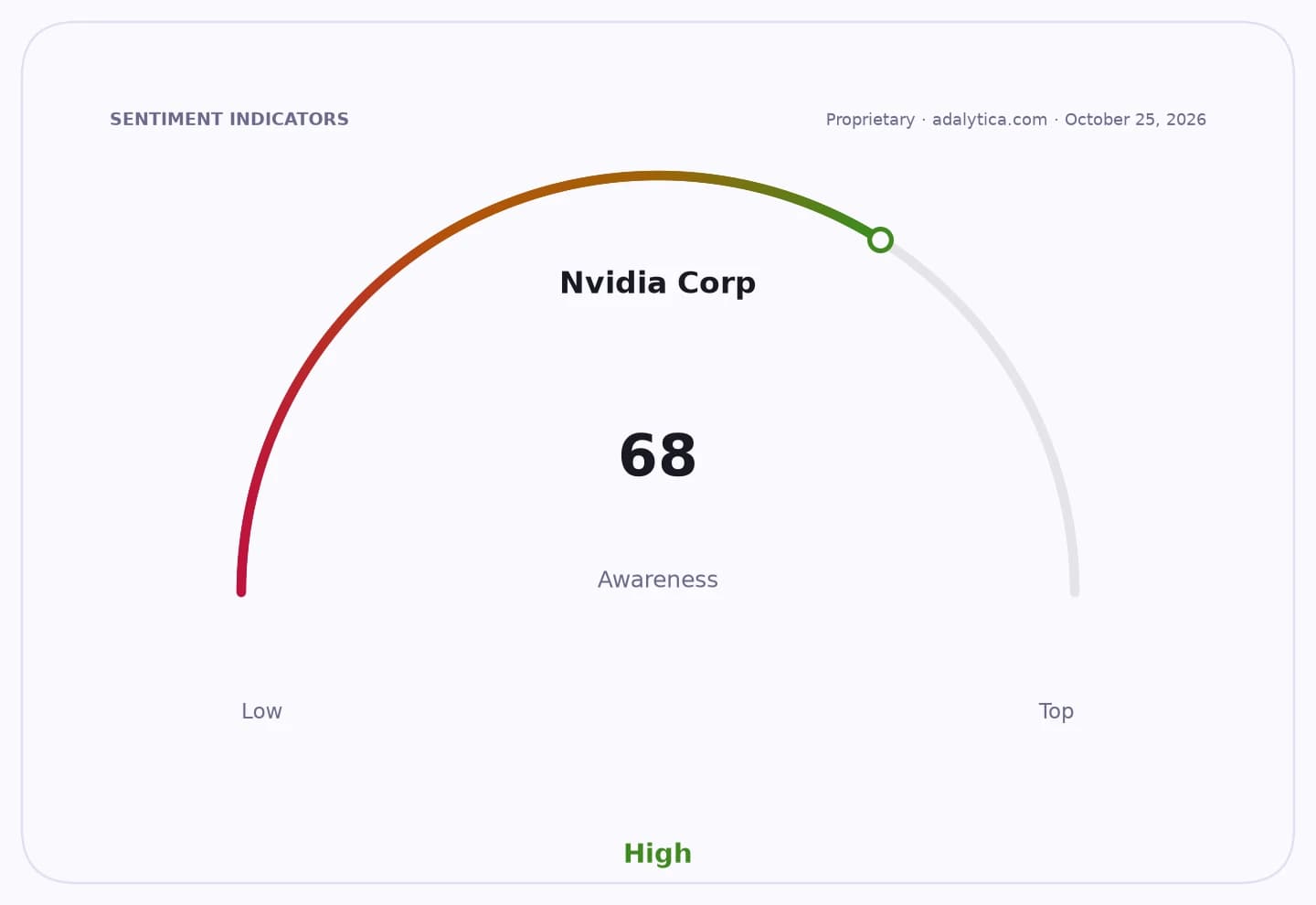
Nvidia Corp
The remark matters because memory has been one of the key bottlenecks in the AI buildout. If demand for high-bandwidth memory and other advanced components keeps outrunning supply, it supports revenues for the suppliers feeding Nvidia’s systems, delays the return of excess inventory that typically crushes pricing, and undercuts bearish arguments that the current investment cycle is already overextended.
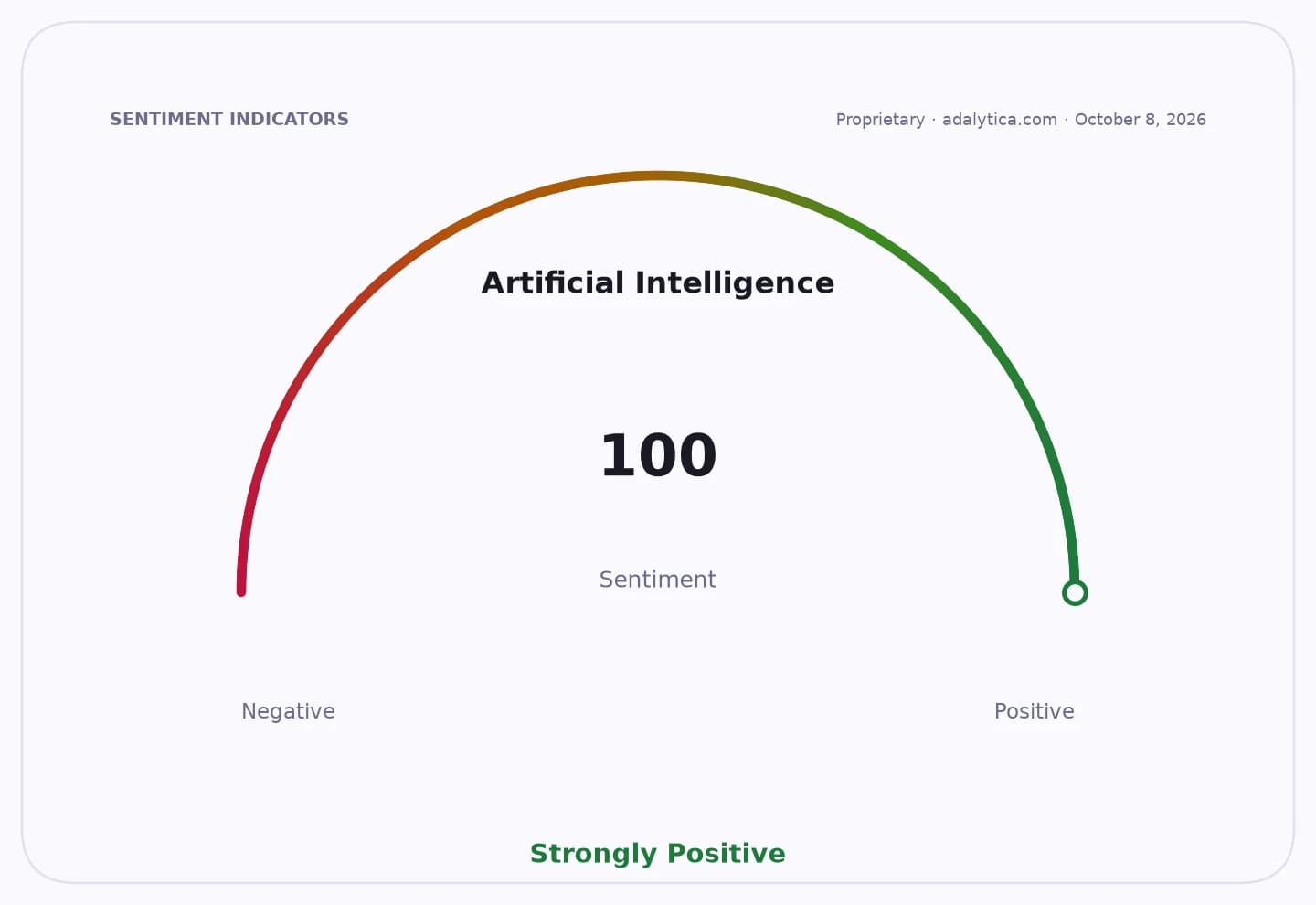
Sentiment Indicators
Investors have been watching for signs that the AI trade is starting to normalise after a sharp rally in the sector. Nvidia shares have recently been volatile, with the stock closing at $215.38 on Oct. 28 after briefly falling below its 50-day moving average earlier in the week, while the broader semiconductor ETF SOXX has also been pressured, trading at $521.94 versus a 50-day average of $530.13. That weakness has reflected concern not just about valuations, but about whether the supply chain can keep pace with demand without eventually flooding the market.
Huang’s comments push back against that worry. They imply that the buildout of AI data centres still requires sustained orders for memory chips, especially from suppliers such as SK Hynix, Micron and Samsung Electronics, and that the industry’s investment cycle could remain elevated well into the late 2020s. Taiwan Semiconductor Manufacturing Co., Nvidia’s critical manufacturing partner, has also remained firm on the market’s expectation that AI-related demand will continue to underpin foundry utilisation and advanced packaging demand, even as other parts of the chip market remain cyclical.
The economic significance is broader than one company’s outlook. Memory is a highly capital-intensive industry that tends to overshoot on supply and then collapse into price wars. If Huang is right, that classic boom-bust pattern is being delayed by a structural shift in demand from consumer devices and PCs toward AI servers, where memory content per system is far higher and customers are less price-sensitive. That would help keep semiconductor capex elevated, support industrial production linked to chip manufacturing, and sustain a powerful investment impulse across the AI supply chain.
The market backdrop shows why the message matters now. The Philadelphia semiconductor index remains well above its 200-day moving average, but its recent pullback suggests investors are already differentiating between companies with durable AI exposure and those more vulnerable to a cyclical cooldown. Nvidia’s own technical readings show the stock below its 50-day average, with a relative strength index of 35.0, suggesting momentum has cooled even as the long-term thesis remains intact. Adalytica’s NVIDIA earnings sentiment gauge still reads 77, labelled “Greed,” though the recent decline in awareness suggests the market is becoming more selective rather than indiscriminately bullish.
For investors, the key issue is whether Huang’s guidance translates into better visibility on margins and supply agreements, not just headline demand. A prolonged tight market would favour memory makers and AI infrastructure suppliers, while leaving hyperscale buyers with less bargaining power and higher capital costs. The bear case is that supply eventually catches up faster than expected, especially if AI spending moderates or if customers pause orders after a heavy buildout. But for now, Huang’s message is that the cycle is still being driven by scarcity, not oversupply — and that matters for earnings, pricing and valuations across the semiconductor complex.
| Entity | Gains | Losses |
|---|---|---|
| Nvidia | ▲Stronger AI supply-chain outlook | ▼Fading fear of near-term oversupply |
| Memory chip makers | ▲Higher pricing power | ▼Risk of inventory glut delayed |
| Hyperscale cloud buyers | ▲Better supply visibility | ▼Higher component costs |
| Semiconductor shorts | ▲Slower bear-case thesis | ▼Less evidence of a cyclical peak |