The AI data center buildout is running into a harder financing and execution environment, with rising capital spending, weaker free cash flow and credit strains starting to hit the companies that supply and finance the race.
AI Data Center Buildout Faces Financing Strains
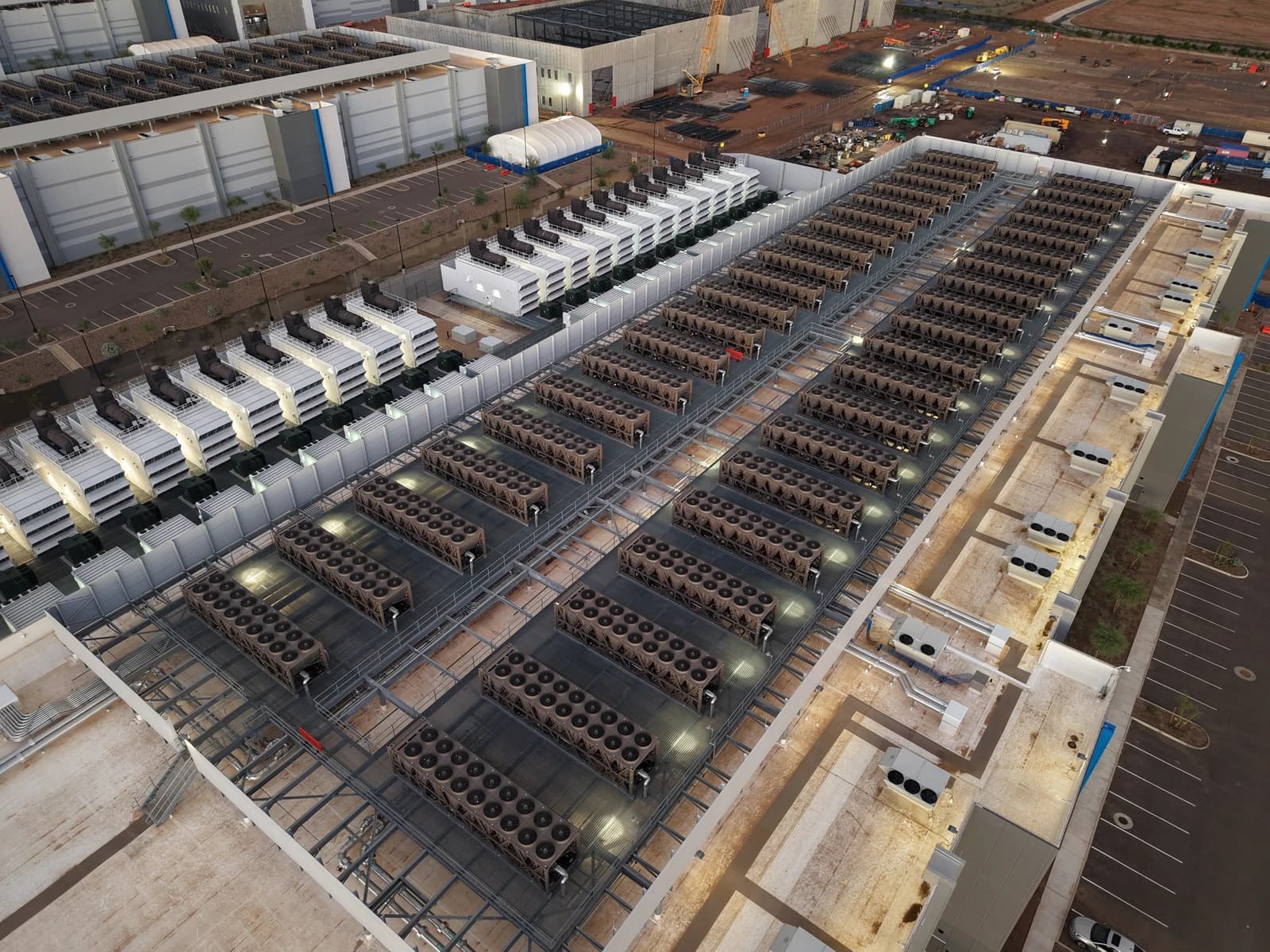
That matters because data centers have been the physical backbone of the AI trade that helped drive markets higher since ChatGPT’s debut. If the buildout slows, the pressure can spread from infrastructure names to the broader group of hyperscalers, chipmakers and lenders that have priced in years of heavy demand.
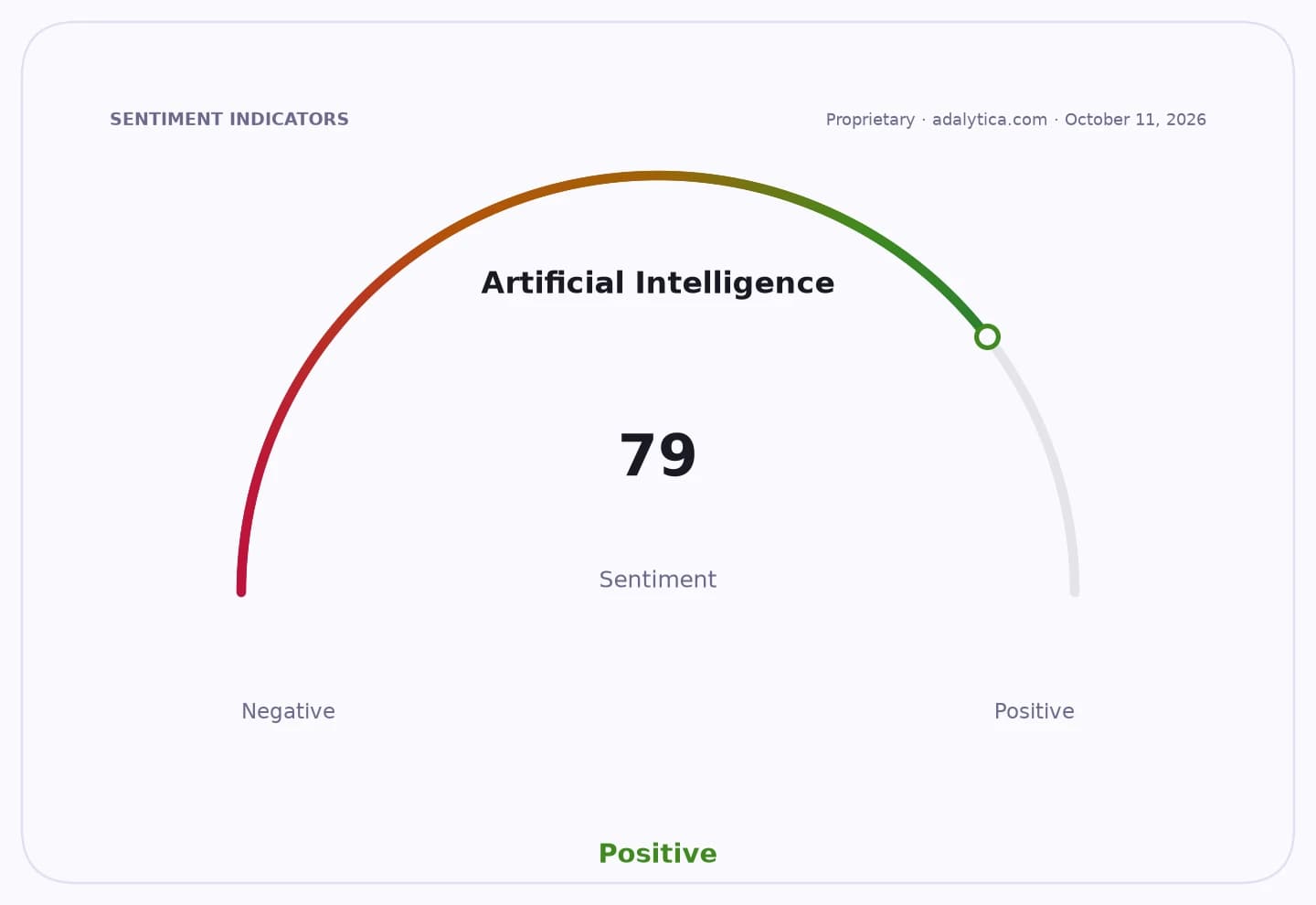
Sentiment Indicators
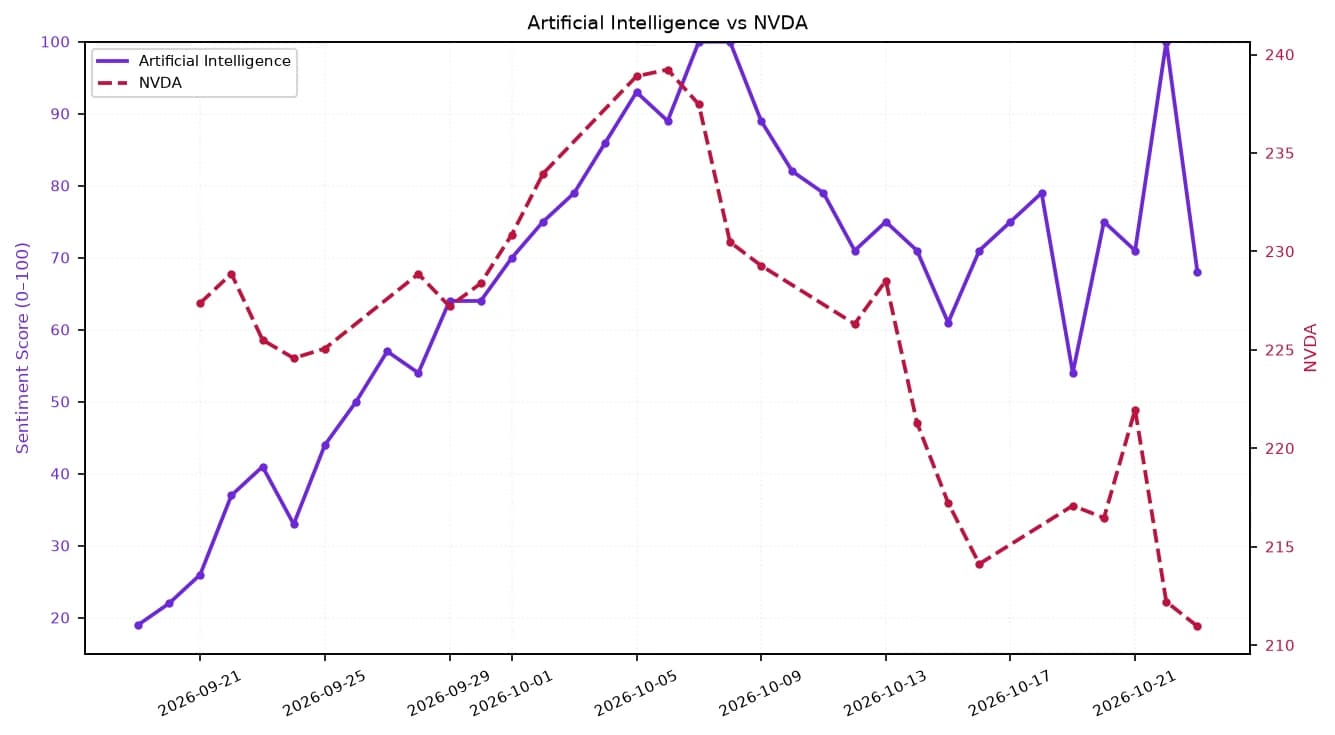
The strain is already showing up in the shares. Super Micro Computer has fallen to $32.95 from a recent peak near $50.17 in early June, while Nvidia has dropped to $204.64 from $235.20 in mid-May. Microsoft, another key AI spender, closed at $521.91 on Oct. 30 after trading as high as $531.01 two days earlier.
For investors, the bigger issue is not one weak stock but the sustainability of the capex cycle itself. Microsoft’s latest filing said it continues to expand datacenter locations and server capacity to meet demand for AI services, but that expansion depends on permitted land, buildable sites and infrastructure that can actually come online. Those constraints, along with financing pressure on third-party developers, are turning what was an unconstrained growth story into a capital-intensive bottleneck.
Super Micro has been one of the clearest casualties of that shift. The server maker’s shares are now well below their 50-day moving average of $38.23 and just above its 200-day average of $32.67, with its RSI at 33.4, a sign of fading momentum. Nvidia has also slipped below its 50-day average of $221.68, while its RSI has fallen to 31.0, reflecting the selloff in the AI hardware complex.
Adalytica’s AI sentiment gauge is flashing “Extreme Fear,” underscoring how quickly enthusiasm around the theme has cooled. Its Nvidia earnings sentiment reading also sits in fear territory, while Microsoft’s earnings sentiment score is in “Extreme Fear” even as awareness remains elevated, suggesting investors are focused less on the growth narrative and more on the cost of sustaining it.
The risks are not limited to Wall Street. Across the sector, projects are facing local opposition, regulatory pushback and grid interconnection delays, all of which can slow delivery even when financing is available. In some markets, the problem is becoming more basic: power availability, permitting and construction timelines are failing to keep up with the speed of AI demand.
The next test is whether hyperscalers can keep expanding without further stressing balance sheets, and whether lenders and equity investors keep funding the buildout at current valuations. Any signs of slower capex, delayed capacity additions or further financing setbacks would hit the AI infrastructure trade first, and the broader market story second.
| Entity | Gains | Losses |
|---|---|---|
| Hyperscalers | ▲Long-term AI capacity | ▼Near-term capex pressure |
| Server makers | ▲Order growth from AI buildout | ▼Margin and demand volatility |
| Lenders | ▲Higher financing yields | ▼Rising credit risk |
| AI investors | ▲Exposure to secular growth | ▼Valuation downside if buildout slows |