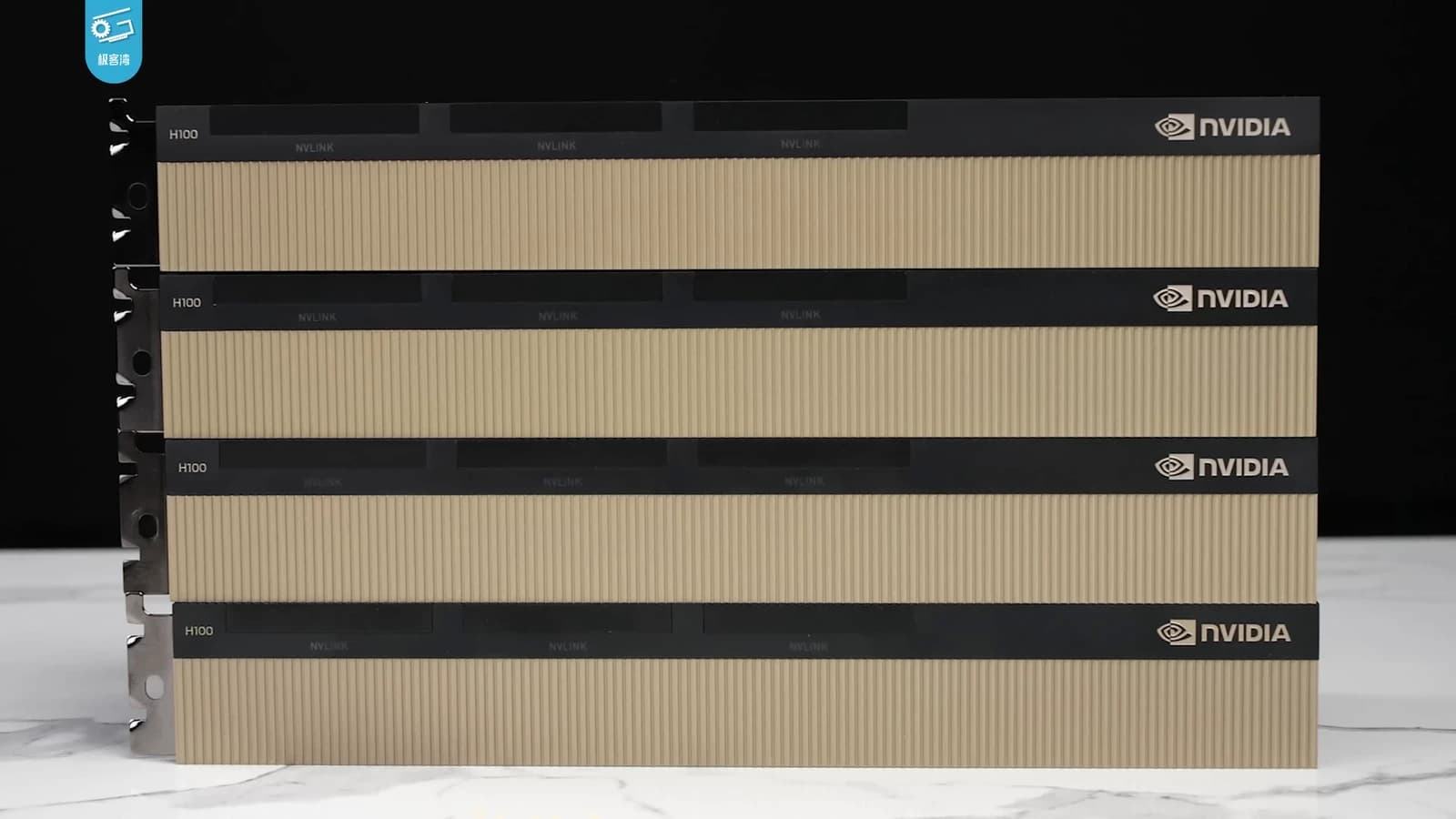
A looming 32-gigawatt power shortfall may slow America’s data-center buildout, but Nvidia and Broadcom look better insulated than the rest of the AI supply chain, according to Morgan Stanley.
Nvidia, Broadcom and U.S. data center power shortage
That matters because the biggest risk in the AI boom may no longer be chip demand — it may be whether utilities, land and construction can keep up. If electricity becomes the binding constraint, the winners are likely to be the companies with the most control over where their chips go, while the losers are the suppliers stuck to delayed projects and postponed equipment orders.
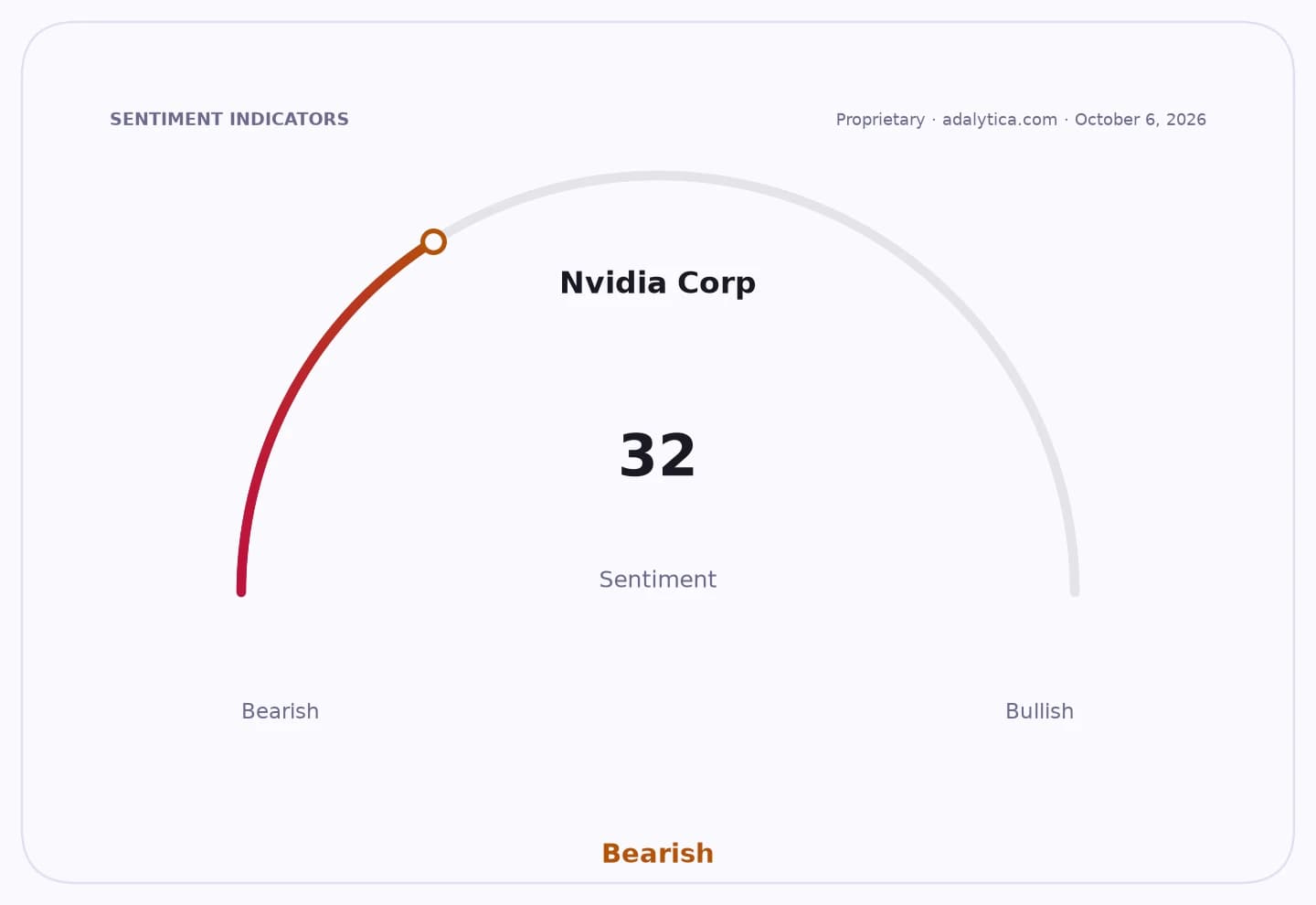
Sentiment IndicatorsⓘProprietary · adalytica.com · October 6, 2026
This is a snapshot — live sentiment, awareness and momentum for 130+ markets update continuously in the dashboard.Open AlphaPulse
Morgan Stanley estimates U.S. data-center developers face a 34% net power shortfall through 2028, even after accounting for fuel cells and on-site generation. In plain English, the AI buildout is still wanted, still funded and still strategically important, but it may not be physically deliverable fast enough. That creates a new kind of bottleneck for investors to think about: not a lack of appetite for AI infrastructure, but a lack of wattage.
For Nvidia, that may be an advantage, not a vulnerability. The bank said the chipmaker’s visibility into deployments, geographic flexibility and close coordination with data-center operators and the power industry could let it redirect scarce GPUs toward projects that are actually ready to come online. Broadcom, which sits higher up the networking and custom-chip supply chain, also appears less exposed to a single stalled campus than smaller vendors that depend on a narrow set of data-center rollouts.
The bigger lesson for investors is that AI demand is not disappearing; it is getting rationed by electricity. Nvidia has already made that point itself, with chief executive Jensen Huang saying developers now have to secure “land, power, and shell” before they can install the computing gear. Nvidia’s support for 4.25 gigawatts at SB Energy’s Ohio campus and its $1.5 billion investment in the developer show the company is not merely selling chips into the boom — it is helping finance the infrastructure that keeps the boom alive.
That is why the most obvious casualties of a power crunch may not be the marquee AI names, but the parts of the supply chain tied to timing. Morgan Stanley warned that delayed deployments could push out deliveries of memory, optical, power-management and analog components. That could create inventory whiplash for suppliers even if the long-term AI appetite remains intact. In other words, a project delay is not the same as a cancelled project, but for semiconductor vendors it can still mean missed shipments, stretched working capital and lumpier revenue.
The tension is especially interesting in memory. Micron has said more than 75% of its 2027 output is already committed, which argues for a tight market. Morgan Stanley’s warning does not contradict that. It suggests the market can still be short of memory while specific deliveries are delayed by power access. That distinction matters for investors because shortages do not always translate cleanly into near-term profits; they can also distort the timing of orders, the mix of products and the visibility of cash flow.
Technically, Nvidia’s shares have been trading well above both the 50-day and 200-day moving averages, while Broadcom has also held above its longer-term trend line. Those are conventional technical indicators, and they suggest the market still believes the AI capex story has legs even after a powerful run. Adalytica.com’s AI sentiment gauge also remains at extreme greed, underscoring how crowded — and still enthusiastic — the trade has become.
For long-term investors, the takeaway is encouraging: the AI buildout may face more friction than the market once assumed, but the strongest franchises can still compound through it. Power shortages may slow the pace, not end the trend. That tends to favor companies with pricing power, design wins, customer stickiness and the flexibility to serve the projects that actually get built.
The risk, of course, is that the delay ripples farther than expected and forces suppliers to wait longer for demand to convert into revenue. But if you believe AI infrastructure will keep expanding over the next three to five years, the better question is not whether the boom pauses — it is which companies own the bottlenecks when it resumes. On that score, Nvidia and Broadcom still look worth watching, and both remain candidates for patient, long-term investors.
| Entity | Gains | Losses |
|---|---|---|
| Nvidia | ▲Chip allocation flexibility | ▼Delayed project-specific suppliers |
| Broadcom | ▲Less exposure to one site delay | ▼Narrower component vendors |
| Data-center operators | ▲Long-term AI demand | ▼Near-term buildout timing |
| Memory/optical/power suppliers | ▲Future orders intact | ▼Shipment delays and inventory swings |