Democratic wins in Texas and Georgia are shaking the U.S. data center buildout, raising the odds of tougher rules, permit delays and lost tax breaks just as investors are already questioning the scale of AI spending.
Texas Georgia election risks data center buildout

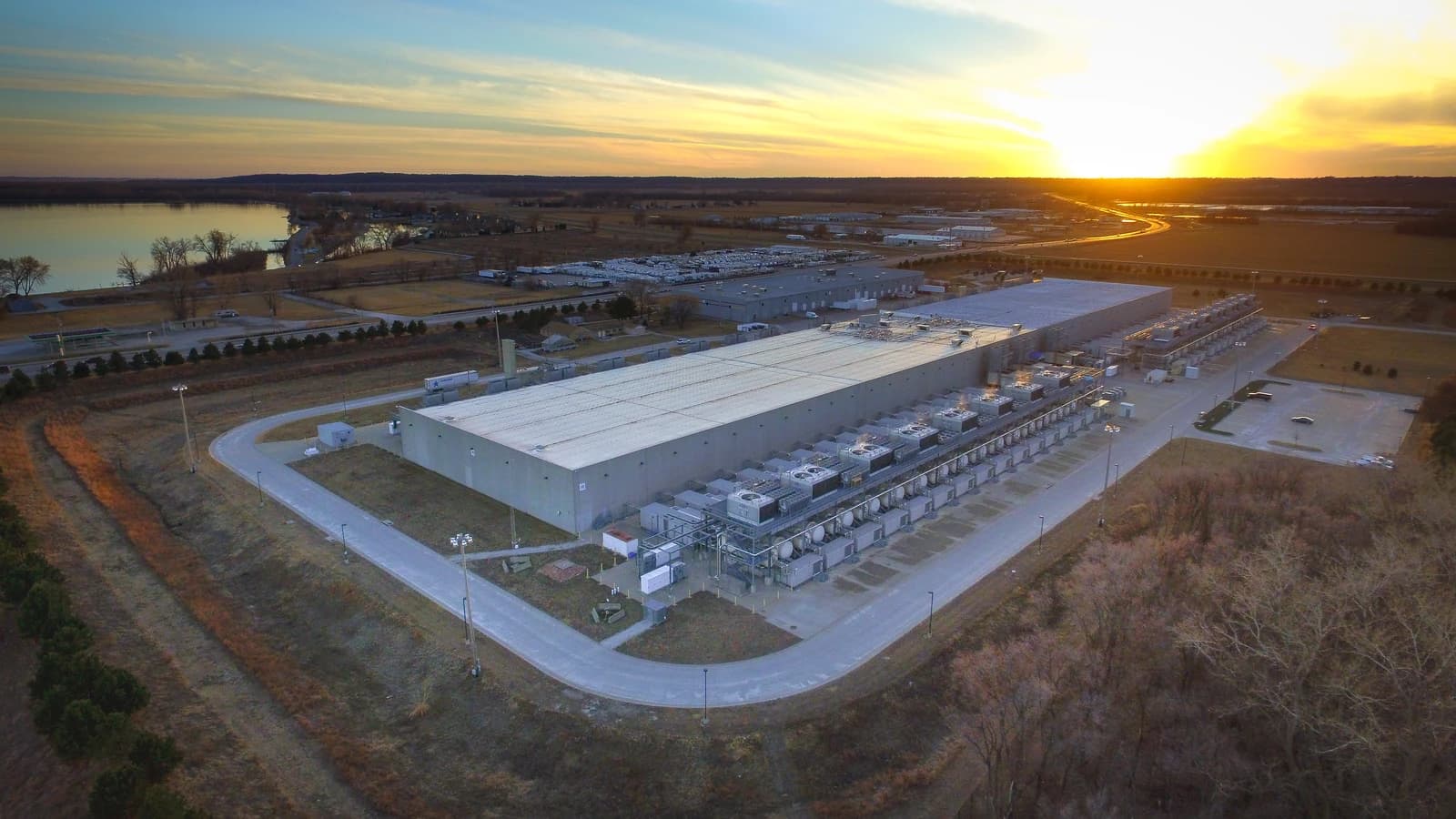
The political shift matters because Texas alone is seen as central to the industry’s expansion. GLJ Research estimates the state accounts for nearly a quarter of U.S. data center capacity expected to come online by 2030, while Goldman Sachs said Democratic victories in Texas, Michigan and Georgia could place about 45% of planned U.S. capacity at risk.
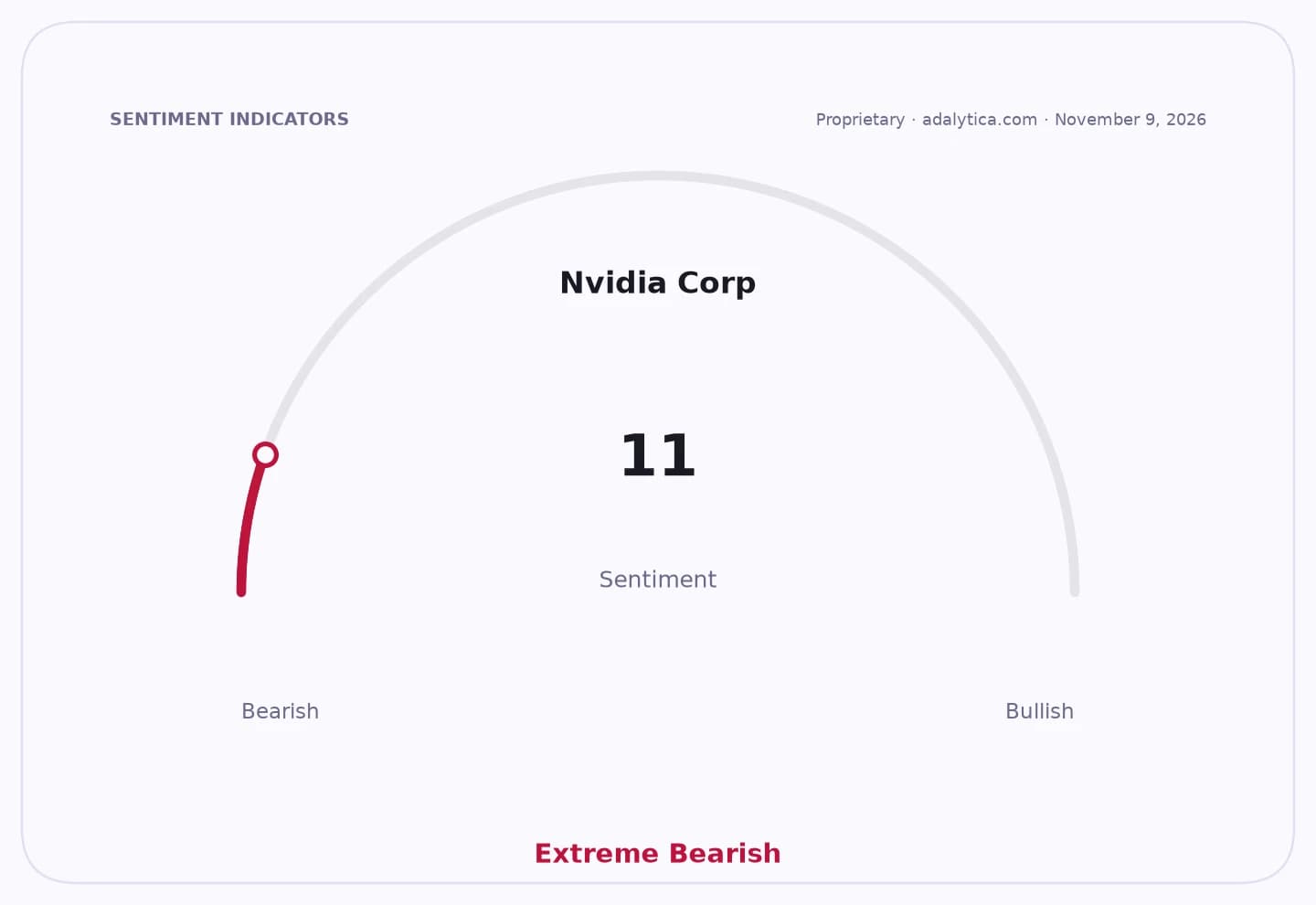
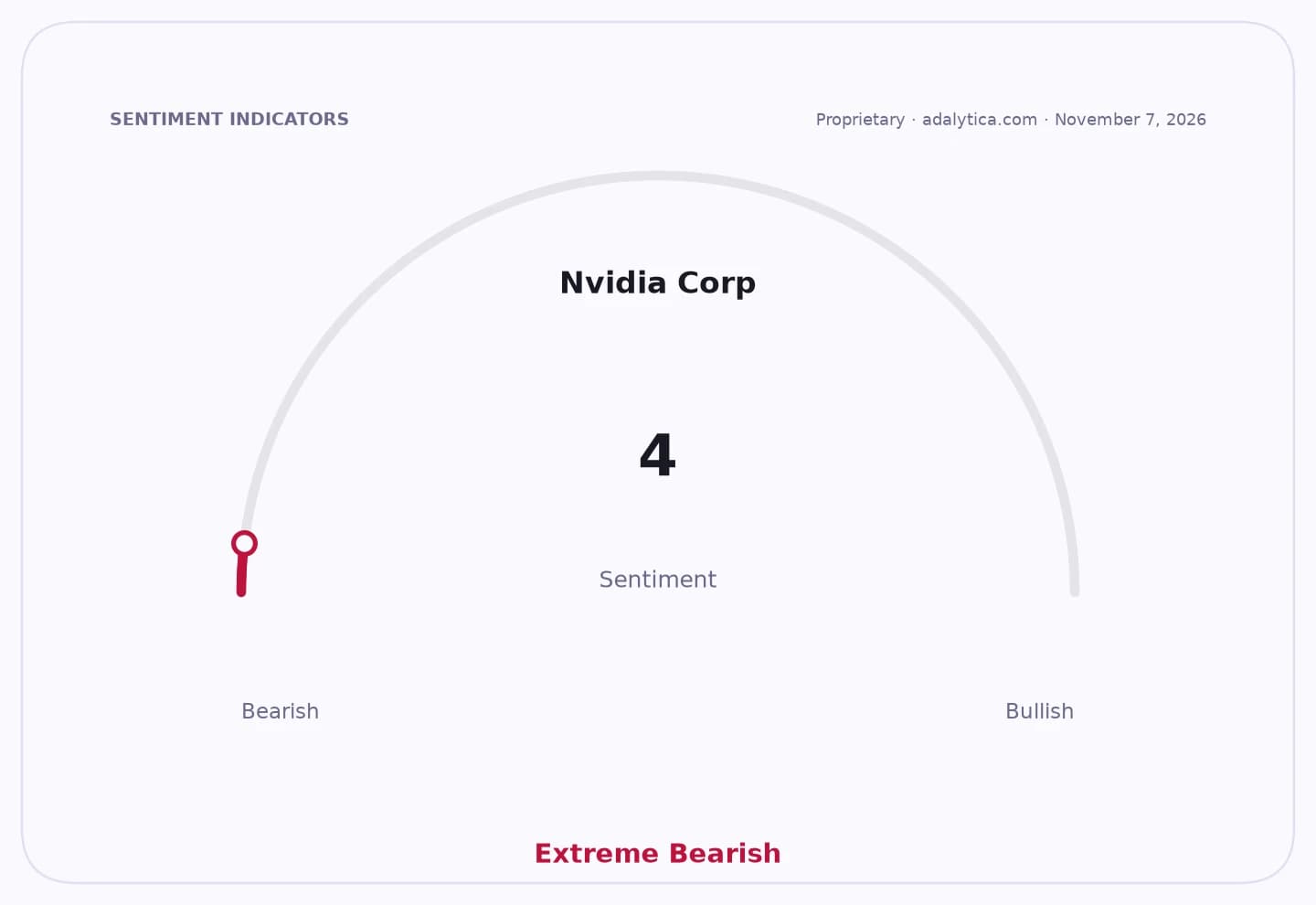
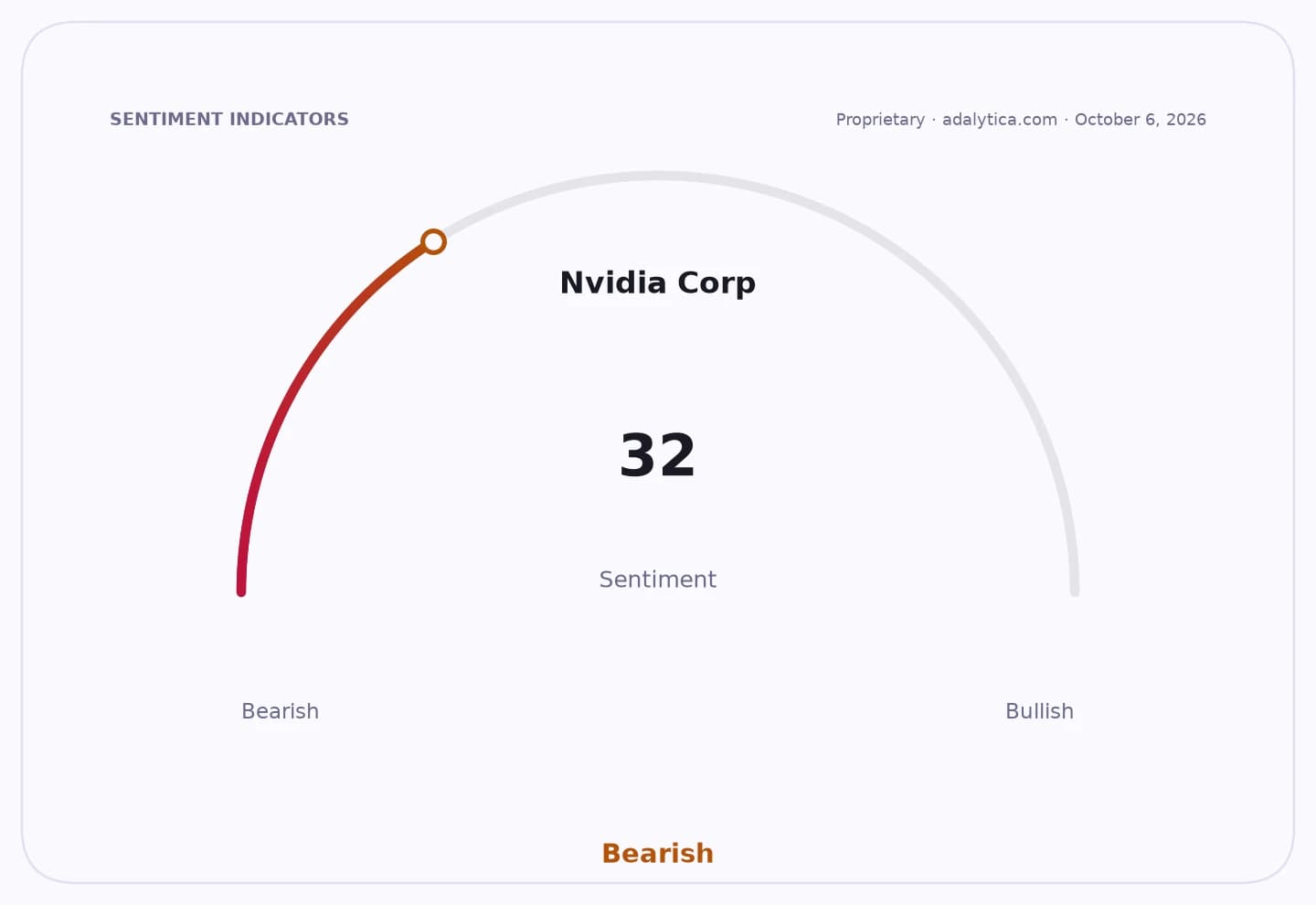
Sentiment Indicators
The market reaction was immediate. Data center and AI infrastructure names sold off on Wednesday, with Core Scientific down 11.6%, Iren off 12.5% and losses also hitting Applied Digital, Hut 8 and Cipher Digital. Power suppliers tied to the buildout, including GE Vernova, Constellation Energy and Vistra, also fell as investors reassessed demand for electricity-heavy projects.
The election results add a new policy risk to a sector that has become a flashpoint over power use, water consumption and limited local job creation. Critics in both parties have increasingly argued that data centers raise electricity bills and deserve fewer incentives, making moratoriums, tighter zoning and tax changes more plausible in states where local resistance is growing.
The pressure is spreading beyond the Southeast. Morgan Stanley also flagged delays in Ohio after Democrat Amy Acton’s gubernatorial win, including a 10-gigawatt project involving Nvidia, underscoring how election outcomes in key states can ripple through the AI supply chain.
Semiconductor stocks in Asia also came under pressure as the results fed broader concerns about AI infrastructure spending and possible excess capacity. TSMC, Samsung Electronics, SK Hynix and Kioxia all traded lower, while U.S. bond yields eased as markets reassessed the outlook for capital-intensive AI investment.
Still, slower construction does not necessarily mean weaker AI demand. Companies can shift projects to friendlier states, and the strategic importance of AI in the U.S.-China race may limit how far state governments can go. For investors, the key question is whether the midterm results mark a temporary political hurdle or the start of a more durable regulatory brake on one of the market’s biggest growth trades.
| Entity | Gains | Losses |
|---|---|---|
| Local anti-data center voters | ▲More leverage over permits | ▼Slower investment inflows |
| Data center developers | ▲Potential site diversification | ▼Higher regulatory risk |
| Power suppliers | ▲Fewer short-term project surprises | ▼Demand for new capacity at risk |
| AI infrastructure investors | ▲None | ▼Valuation reset on buildout fears |