Artificial intelligence is pushing electricity consumption from data centers to levels rarely seen, forcing utilities, governments and investors to confront a surge in power demand that is already reshaping where and how the facilities can be built.
Data Center Power Demand Rises on AI Growth
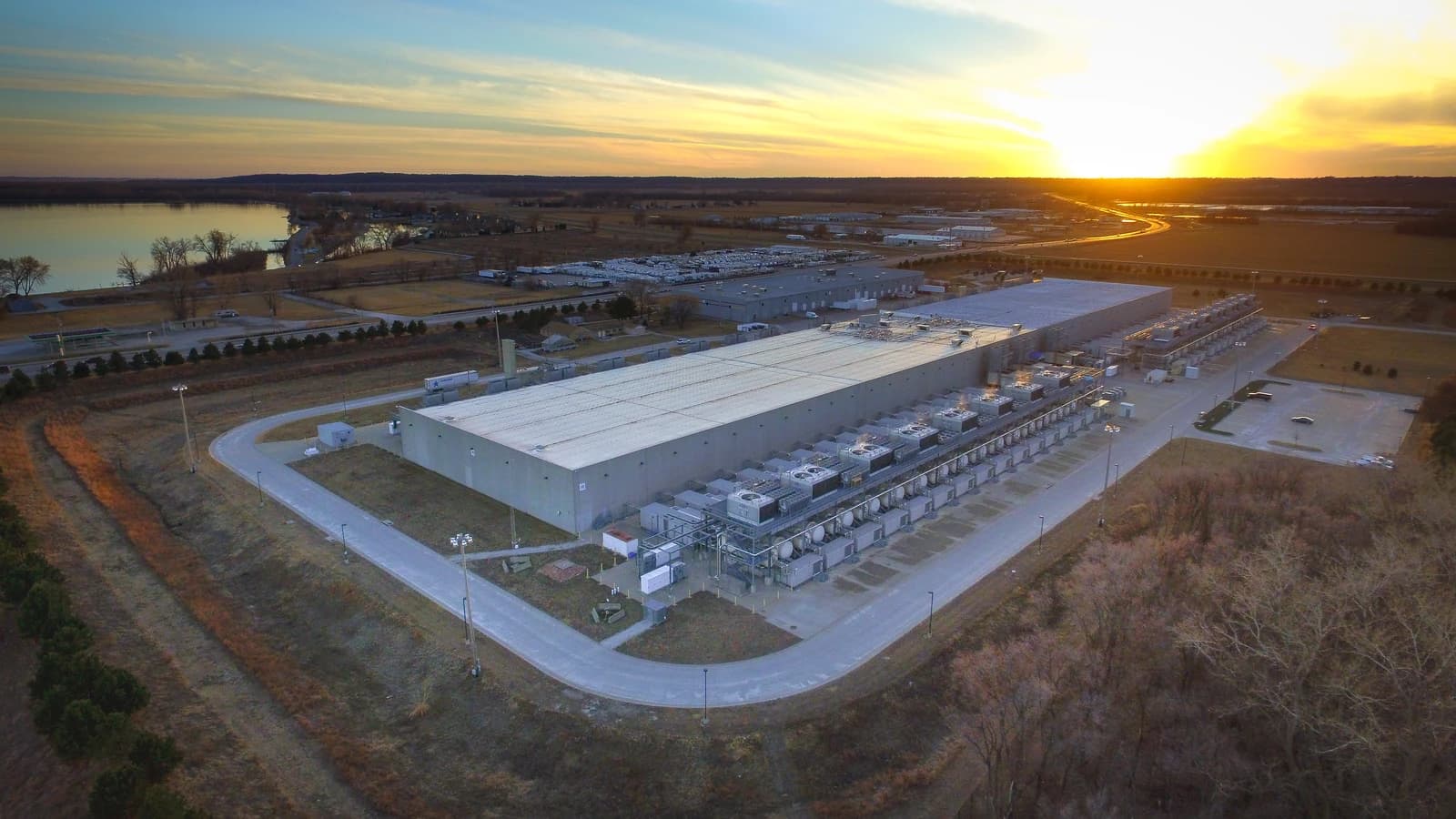
That matters because the bottleneck is no longer just chips or land. The limiting factor is increasingly access to reliable electricity, water and grid capacity, which can delay projects, lift infrastructure costs and alter the economics of AI expansion across the US and Europe.
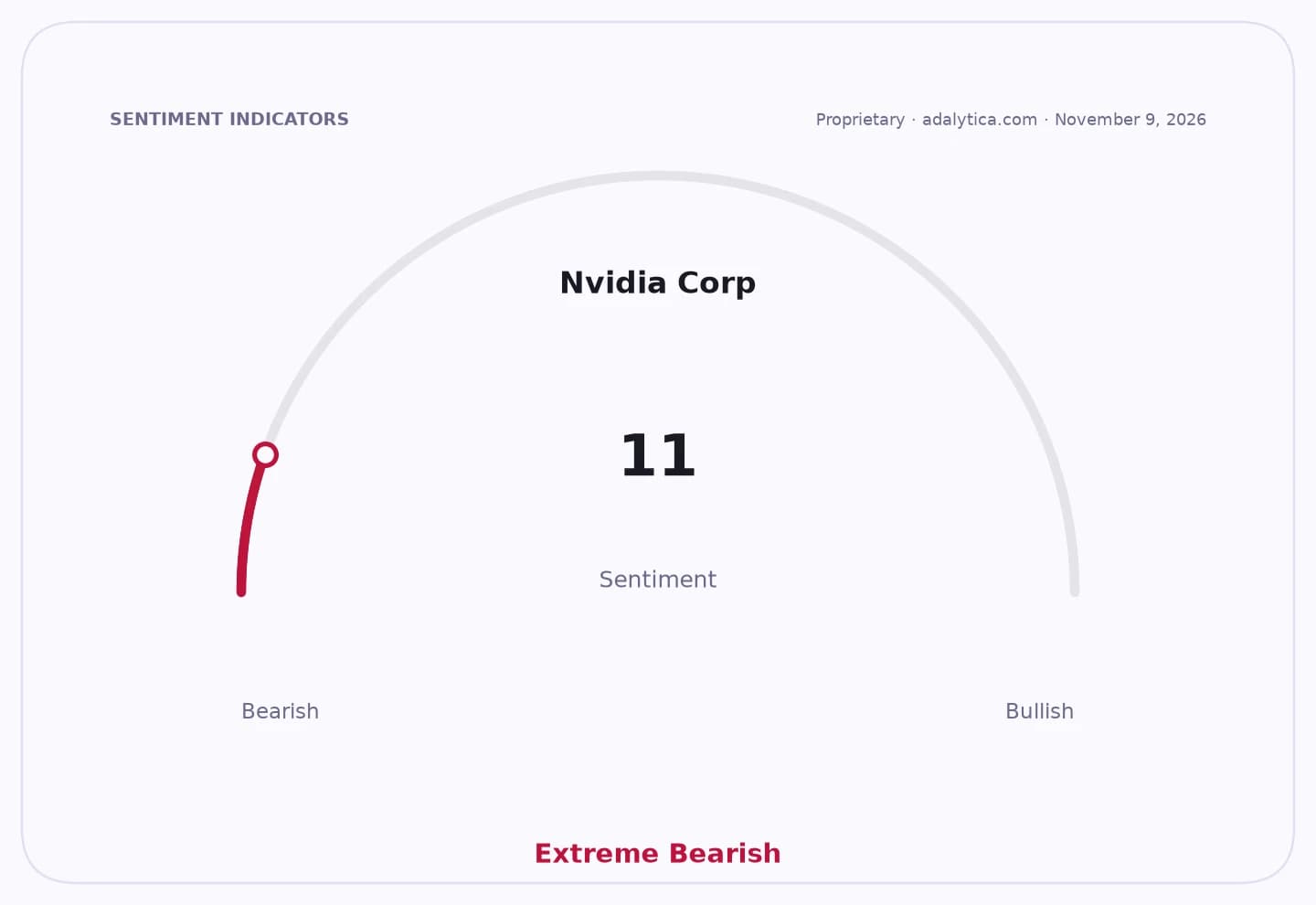
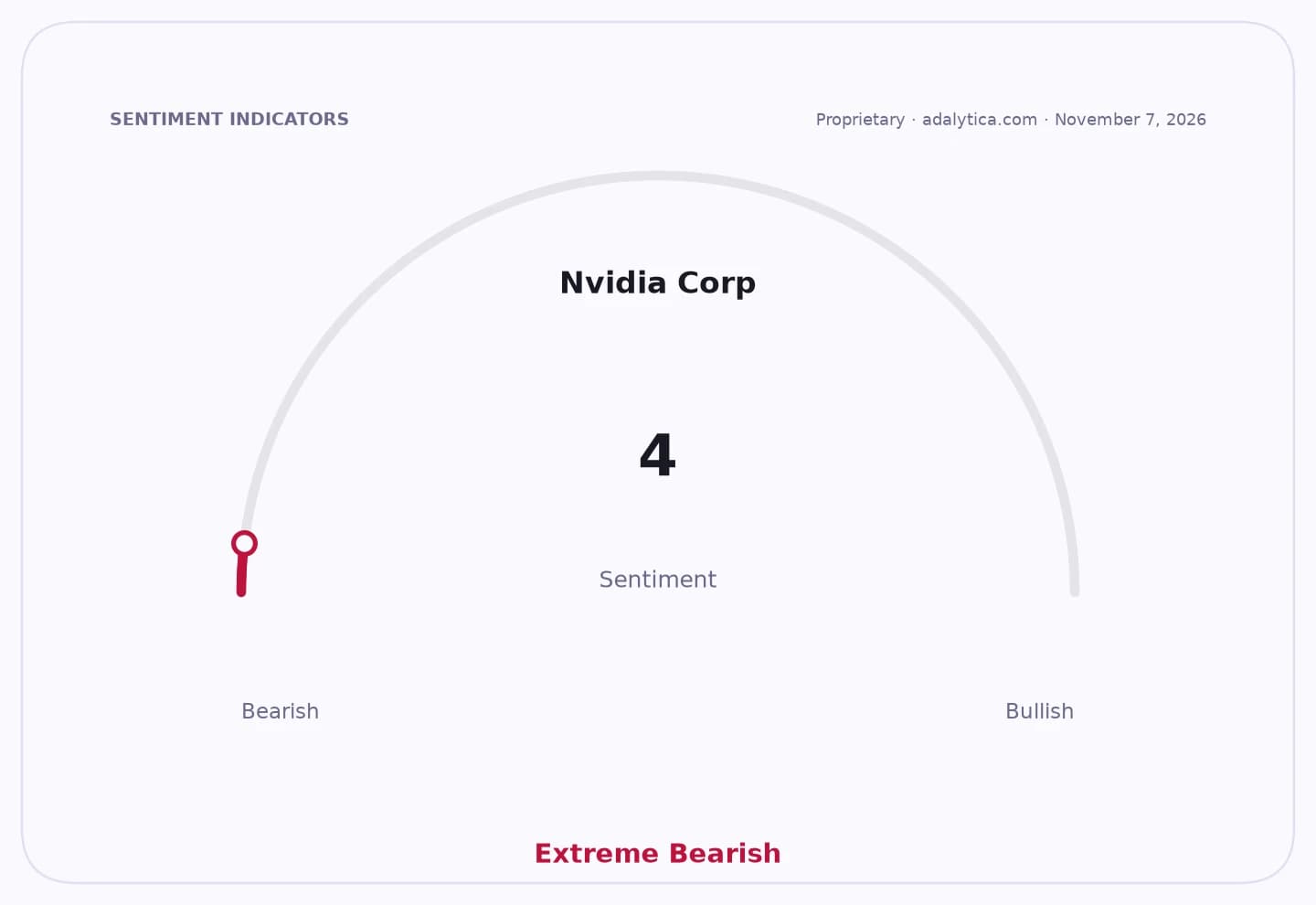
Sentiment Indicators
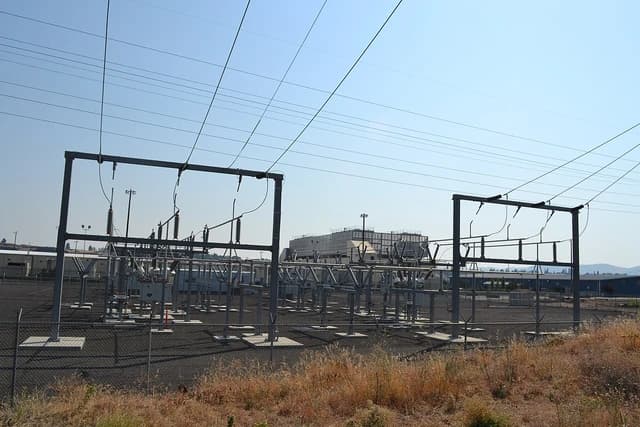
The International Energy Agency said in an April 2026 report that global data center electricity use could roughly double to 950 terawatt-hours by 2030 from 485 TWh in 2025. It also said a ChatGPT query can consume about 10 times more energy than a Google search, underscoring how generative AI is amplifying the load on power systems.
The strain is already showing up in policy and project delays. Norway has imposed strict restrictions on data center expansion to curb electricity use, while Texas faces mounting opposition after the governor-elect called for a halt to data center-related projects amid grid concerns. In France, a local court annulled a construction permit for a Segro and Pure DC project at Le Bourget after environmental risks were flagged, reflecting rising resistance to facilities that run continuously and consume large amounts of power and cooling water.
Nvidia Corp
Investors are watching the pressure ripple through the sector. Developers and hyperscalers need massive, long-dated capital spending to secure grid hookups and backup supply, while power producers and infrastructure providers stand to benefit from the buildout. Alphabet disclosed $27.7 billion in obligations to put in place future backstops supporting data center and energy supply infrastructure, and Amazon and Microsoft continue to funnel cash into technology and infrastructure as AI demand grows.
The market implication is that AI infrastructure remains a growth engine, but one increasingly constrained by utility regulation, public backlash and higher financing needs. Energy reliability, not just computing power, is becoming a competitive advantage for hyperscalers and a gating factor for the next wave of AI investment.
| Entity | Gains | Losses |
|---|---|---|
| Utilities and power generators | ▲Higher long-term demand | ▼Grid strain and capex pressure |
| Hyperscalers and AI operators | ▲More compute capacity | ▼Higher energy and buildout costs |
| Data center developers | ▲New project demand | ▼Permitting delays and restrictions |
| Local communities and regulators | ▲More leverage over siting | ▼Noise, water and power burden |