Turkey is preparing to reshape its power market with a legislative overhaul that could unleash more than $200 billion in electricity investment by 2040, turning regulation into the main catalyst for one of the country’s biggest infrastructure cycles in decades.
Turkey power market reform could unlock $200B investment
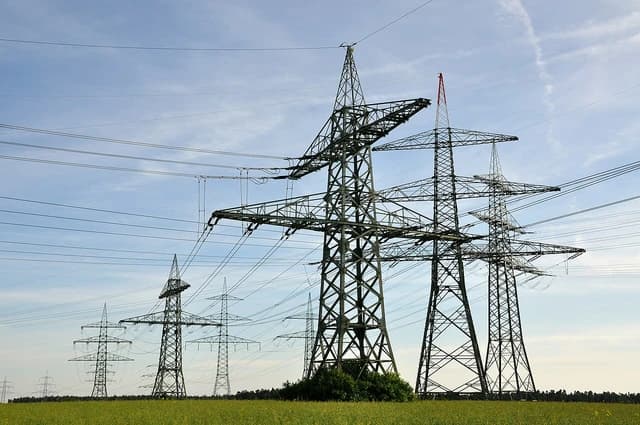
That matters because electricity is now the binding constraint on Turkey’s industrial growth, renewable expansion and energy security. A market that has long struggled with bottlenecks in transmission, distribution and project approvals is being recast as a long-duration capital spending opportunity, with the government targeting about $100 billion alone for wires and grid infrastructure.
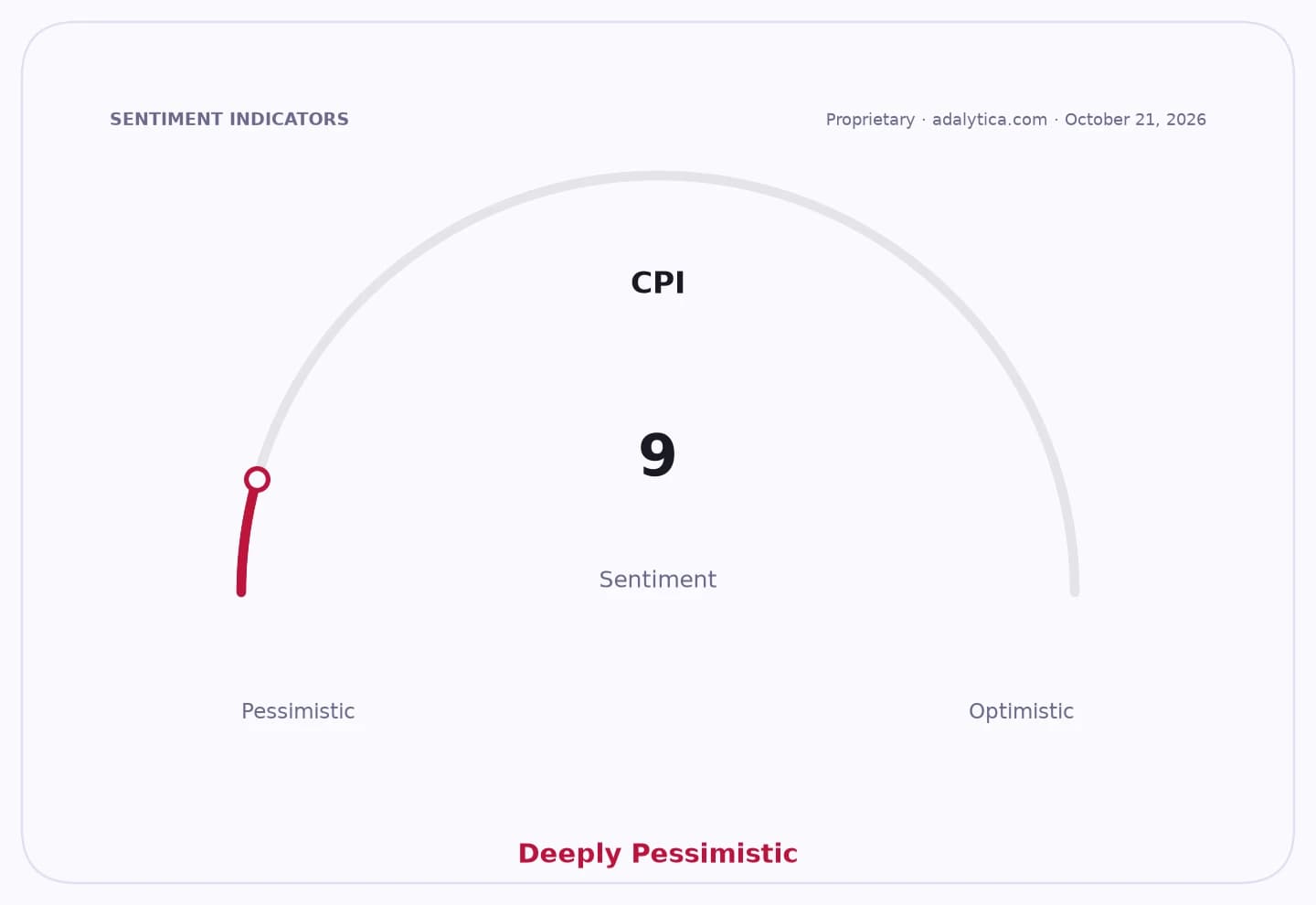
Sentiment Indicators
The bill’s 20 main points sit inside a broader plan of 25 initiatives and nearly 110 milestones designed to speed up new generation, reduce outages and clear the way for solar and other renewables. For the economy, the logic is straightforward: better grids mean fewer supply disruptions, lower system losses and a larger ceiling for electrification across manufacturing, housing and transport. For investors, that translates into a multi-year pipeline for contractors, equipment suppliers, developers and utilities with regulated returns.
The policy shift also comes at a time when power-sector costs are under scrutiny globally. In the U.S., utilities such as NextEra Energy, Duke Energy and Southern Co. have warned that affordability, cost recovery and regulatory stability are becoming more important as capital needs rise. Turkey is trying to solve the same equation on a larger and more urgent scale: how to fund a massive grid upgrade without choking demand or discouraging private capital.
That is why the bill matters beyond Ankara. If it works, it should draw foreign capital into transmission, distribution, solar and storage, while strengthening the case for local industrial suppliers and state-backed infrastructure plays. If it stalls, Turkey risks repeating the same old story of inadequate networks, delayed projects and periodic power stress. The investable thesis is that the market is underestimating how quickly a reform-driven grid buildout can re-rate the entire electricity value chain.
The key question now is execution: whether the ministry can convert legislative momentum into bankable rules, faster permitting and tariff structures that make the $200 billion plan financeable. If it can, Turkey’s power sector becomes a long-cycle growth theme rather than a policy headline.
| Entity | Gains | Losses |
|---|---|---|
| Turkish grid builders | ▲Larger project pipeline | ▼Slower legacy market |
| Solar and renewable developers | ▲Faster permitting | ▼Approval bottlenecks |
| Domestic utilities | ▲Regulated growth opportunity | ▼Underinvestment era |
| Consumers and industry | ▲Better supply reliability | ▼Higher near-term capex burden |