Hyperscalers are turning into some of the biggest borrowers in investment-grade credit, and that is beginning to reshape risk, pricing and portfolio construction for bond investors.
Hyperscalers Drive Record IG Bond Issuance

The clearest sign of how fast the financing burden is rising is the roughly $182 billion of bonds issued by major cloud and AI infrastructure players from January through August, a pace that already exceeds full-year totals in prior periods and reflects the capital intensity of the AI buildout. Far from a niche corporate funding trend, it is pushing tech issuers deeper into benchmark bond indices and giving fixed-income buyers a new source of spread and duration exposure tied to artificial intelligence rather than traditional industrial capex.
Sentiment Indicators
That matters economically because the AI boom is increasingly being financed through debt markets rather than solely from cash flow. The largest platforms still have strong balance sheets, but the shift toward more borrowing means their credit quality will depend less on brand strength and more on whether data centers, power access and networking infrastructure can be completed on schedule and at acceptable returns. If those projects slip, the debt does not.
The scale of the sector’s presence in credit markets is already material. Hyperscalers accounted for about 4.8% of the Bloomberg US Corporate Investment Grade Index in July 2026, meaning AI is influencing broad credit portfolios even for managers with no explicit technology allocation. For investors, that creates a dual effect: more access to large, liquid, investment-grade issuers and potentially higher carry, but also greater concentration in a single theme whose funding needs could stay elevated for years.
The opportunity is obvious in a market where benchmark rates remain high and credit spreads have not fully priced the industrial scale of AI infrastructure spending. The US 10-year Treasury yield was around 4.95% in the latest forecast, while high-yield spreads were near 3.37 percentage points, leaving room for investors to pick up incremental yield in high-quality tech paper without moving too far down the credit spectrum. But the market is also paying for a narrative of resilience that could be challenged if execution falters.
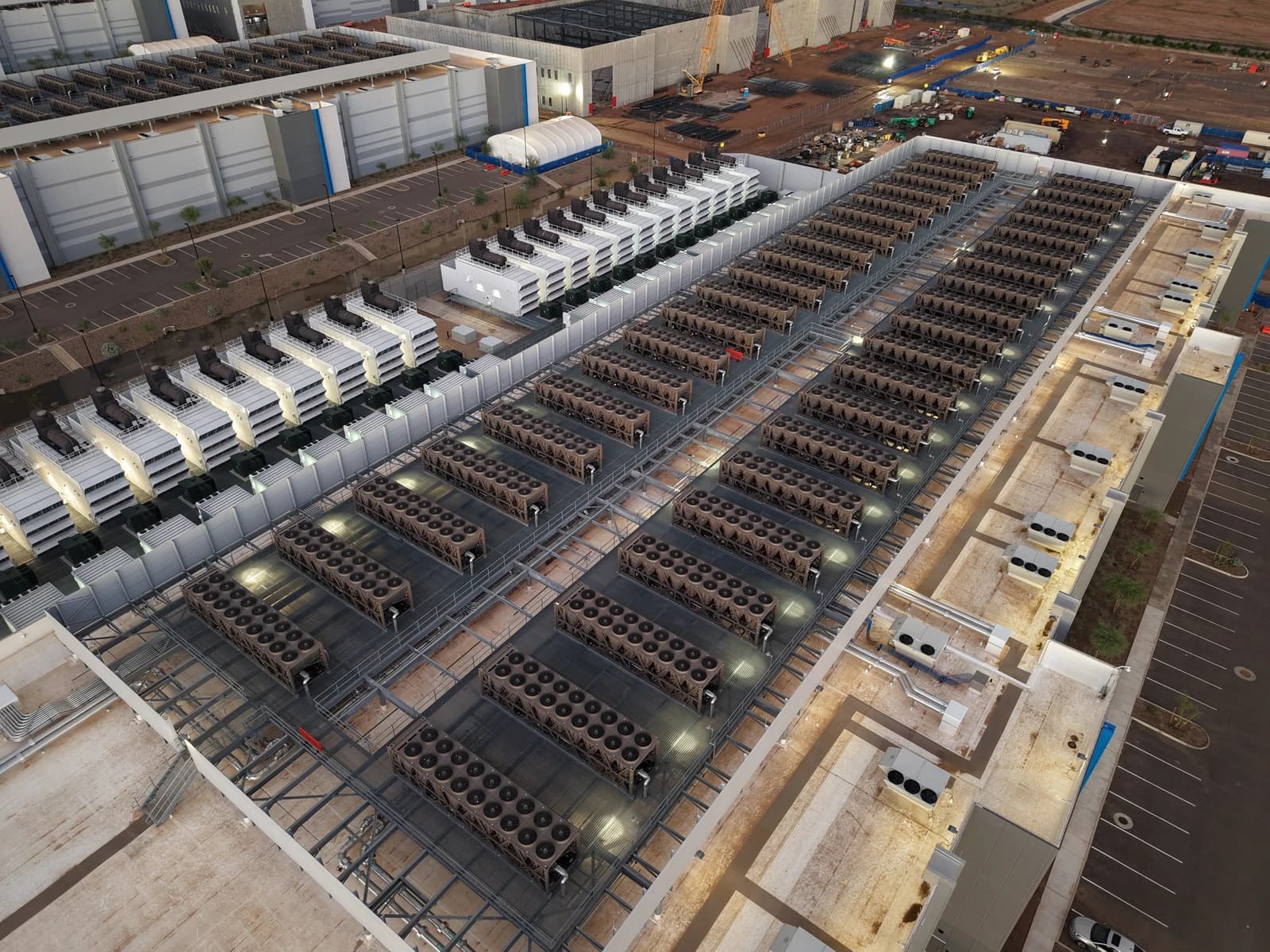
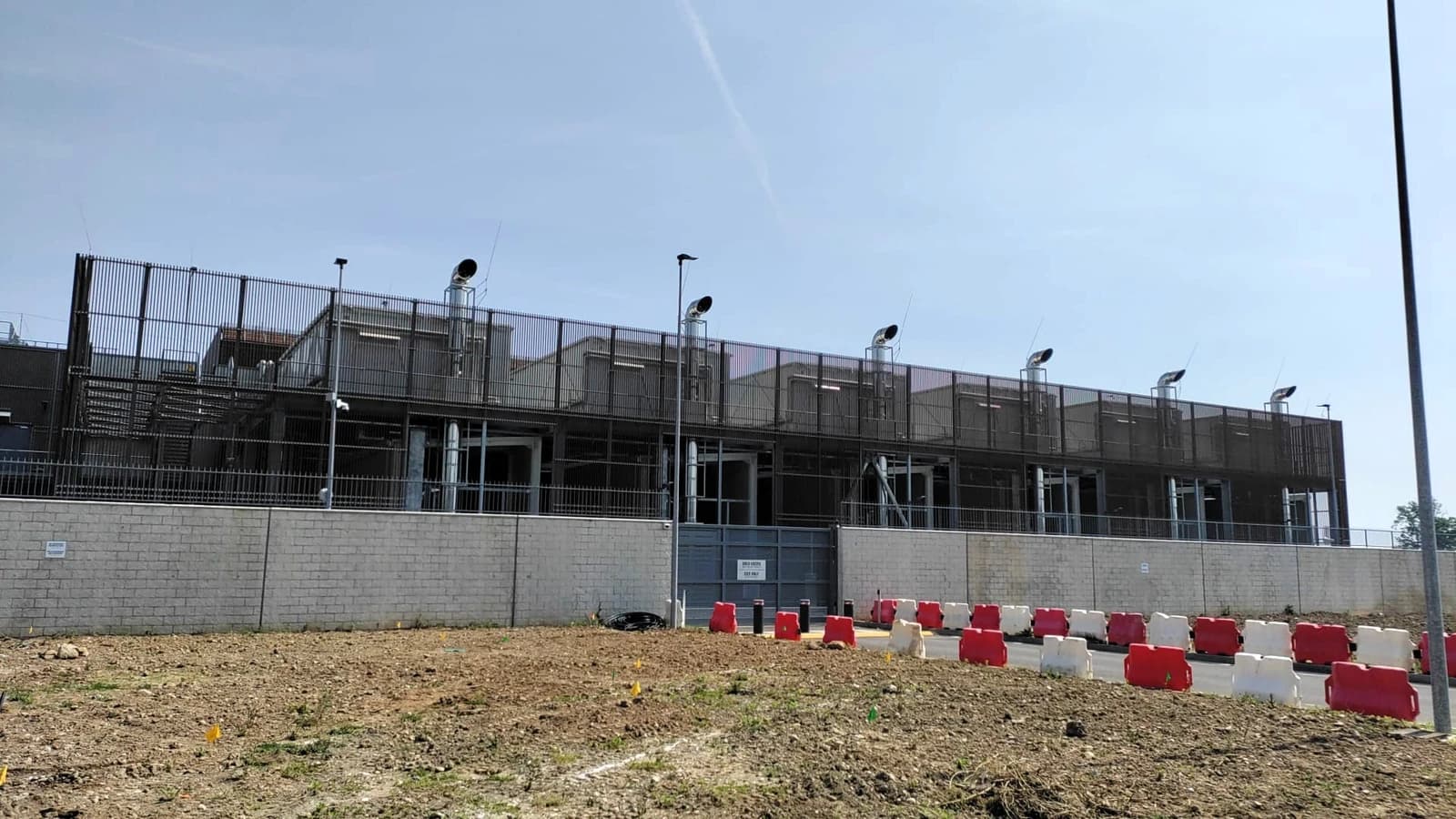
The risk is not just leverage, but project delivery. In North America’s main data-center markets, capacity under construction in the first half of 2026 was close to 70% of existing capacity, a level that points to an infrastructure race that is already straining power grids, permitting regimes and supply chains. Delays in construction or electricity connections could push back revenue recognition and weaken the economics underpinning the debt.
That is why structure matters as much as rating. Leasing, joint ventures and project companies can spread obligations across counterparties, but they do not eliminate the underlying risk that lenders end up exposed to unfinished assets and postponed cash flows. For bondholders, covenants, guarantees and seniority will matter as much as whether an issuer still carries an investment-grade label.
Among the biggest beneficiaries are investors seeking diversified exposure to cash-rich technology names and infrastructure-linked yield. The losers are those who assume the sector’s fortress-like equity profiles automatically translate into low-risk credit. The better bet, for now, is selective rather than blanket exposure: favour issuers with durable free cash flow, clear funding plans and minimal project-completion risk. If AI spending keeps accelerating, the bond market will help finance it — but investors will have to be paid for doing so.
| Entity | Gains | Losses |
|---|---|---|
| Bond investors | ▲New IG supply, higher carry | ▼More project-execution risk |
| Hyperscalers | ▲Diversified funding access | ▼Higher leverage burden |
| Data-center lenders | ▲Infrastructure-linked issuance | ▼Exposure to delays and permits |
| Credit quality hawks | ▲Tighter underwriting focus | ▼Less comfort from big-name issuers |