Alphabet is returning to Europe’s debt markets just as investors are rethinking how much leverage the AI boom will require, making Monday’s bond sale a fresh test of demand for the largest spenders in technology.
Alphabet returns to Europe with euro bond sale

The Google parent is offering euro-denominated debt in seven tranches with maturities from two to 19 years, according to a memo from one of the arranging banks. It is Alphabet’s second euro bond sale this year, after raising €9 billion in May, and follows a rare 100-year sterling issue in February. The company’s repeated access to Europe underscores how quickly big technology groups are turning to public debt markets to finance data centres, chips and other infrastructure tied to artificial intelligence.
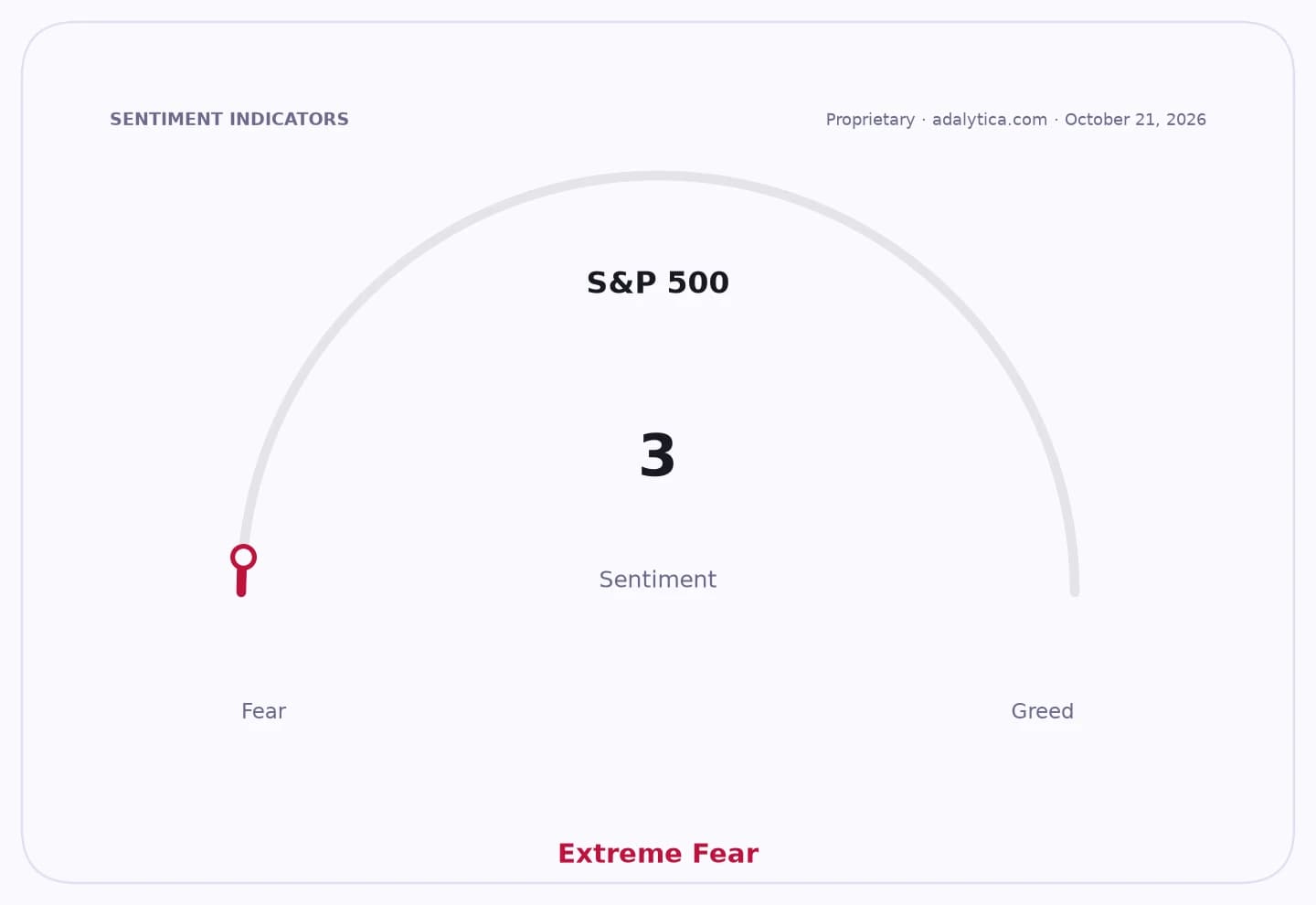
Sentiment Indicators
That funding need has become a market issue. Concern that AI investment will be more expensive, or take longer to earn back, has helped pressure both tech equities and credit in recent weeks. The Nasdaq fell 5% in October, while Alphabet’s US-listed shares dropped nearly 19% last month, their worst monthly performance on record. Alphabet’s own disappointment and Amazon’s results also fed the selloff, because both are among the heaviest spenders on data centres and cloud capacity.
For bond investors, Alphabet’s sale matters because it is a high-grade borrower with enormous liquidity, but it is also a bellwether for whether the market will continue funding the AI build-out at tight spreads. Alphabet disclosed $265.1 billion of cash, cash equivalents and short-term marketable securities at the end of September, so the borrowing is not about near-term funding stress. Rather, it is about preserving flexibility and locking in long-dated capital while the company expands infrastructure. That makes the issue a cleaner read on market appetite for tech debt than a cash-constrained borrower would.
The deal also highlights a broader trend: European bond markets are becoming a preferred funding channel for US technology groups seeking deep liquidity and diversified investor bases. If the sale is well received, it could encourage more issuance from Alphabet peers and support credit markets that have lately been more cautious on AI-related capital intensity. If demand is softer, it would reinforce worries that investors are becoming more selective about underwriting the sector’s spending binge.
Alphabet’s dollar bond due 2031 was little changed on Monday at about 95.43 cents on the dollar, suggesting the market remains open, but not uncritically so. The more important question is whether investors continue to buy the story that AI capex will translate into durable earnings power fast enough to justify the debt needed to build it.
| Entity | Gains | Losses |
|---|---|---|
| Alphabet | ▲Low-cost long-term funding | ▼Higher financing scrutiny |
| Bond investors | ▲Access to high-grade paper | ▼Exposure to AI capex risk |
| Tech peers | ▲Benchmark for future issuance | ▼Tighter investor selectivity |
| Existing shareholders | ▲Financial flexibility | ▼Dilution from weaker sentiment |