America’s AI hardware spending has reached an annualized pace of about $1.04 trillion, turning what was a tech investment cycle into a macroeconomic force that is reshaping trade, industrial demand and the earnings outlook for the biggest chipmakers and infrastructure suppliers.
AI hardware imports surge to $1 trillion pace
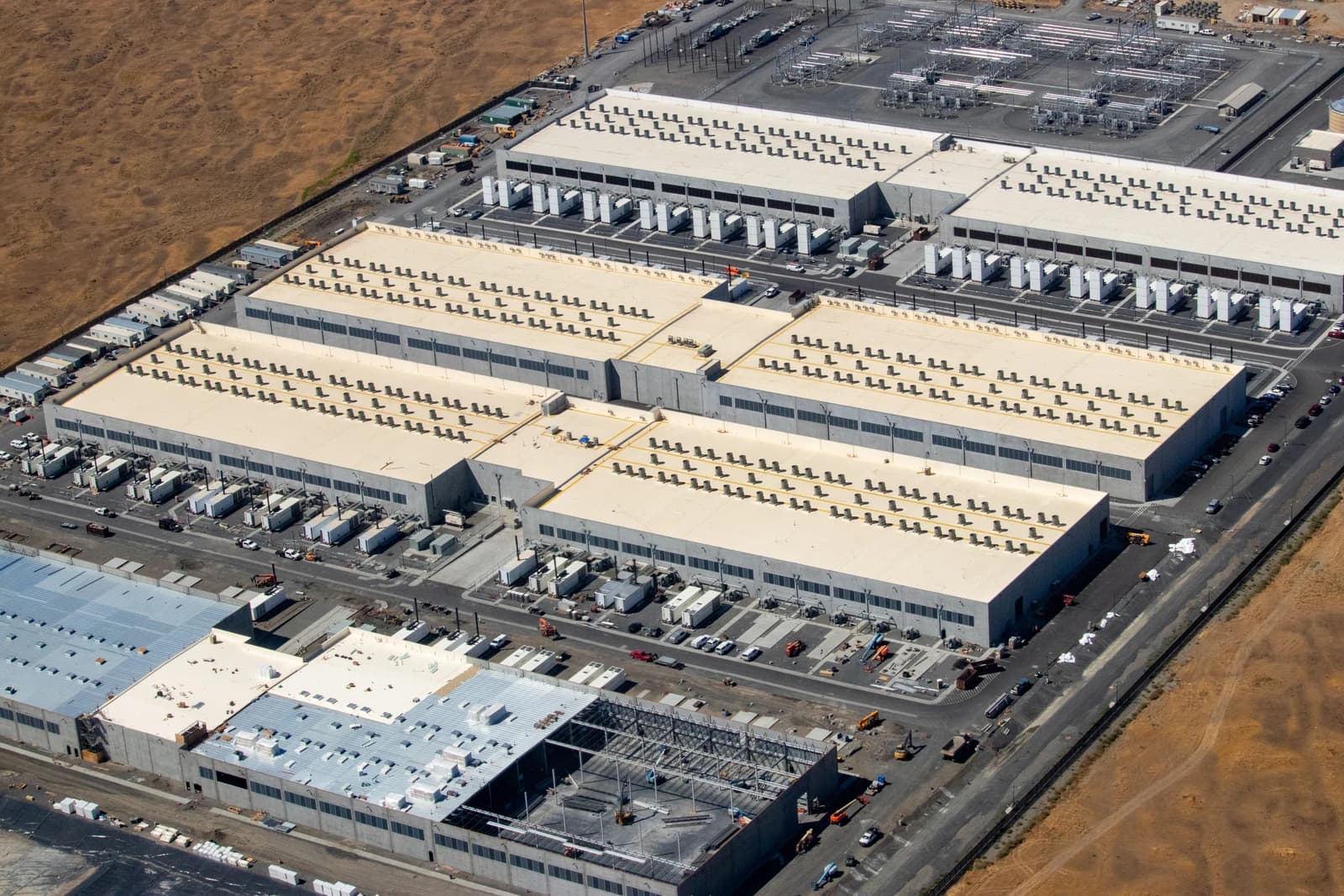
U.S. imports of computers, computer accessories and semiconductors jumped 151% year over year in September to $86.9 billion, according to The Kobeissi Letter, marking the second-largest monthly increase on record. If sustained, that pace implies roughly $1 trillion in annual hardware imports, a scale that dwarfs the growth seen in previous tech booms and underscores how quickly AI data center buildouts are consuming capital, power and supply-chain capacity.
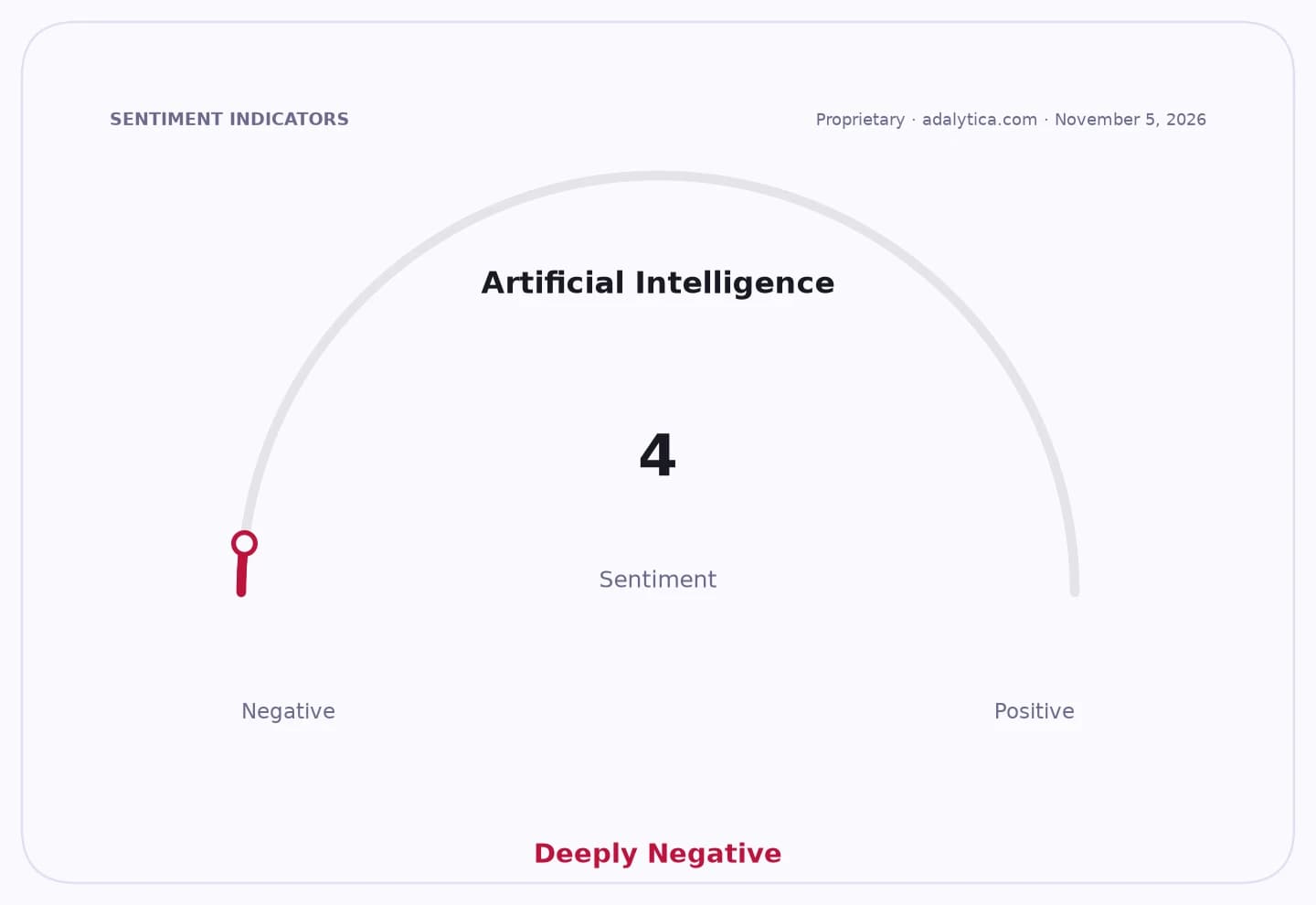
Sentiment Indicators
S&P 500
The spending is now visible across the earnings of the companies closest to the buildout. Nvidia revenue more than doubled to $96.22 billion in its fiscal second quarter, with data center sales up 117% to $89.02 billion and gross margin widening to 75.0%, showing it is not just shipping more chips but preserving pricing power. Dell ended its quarter with a record $95 billion AI backlog, while Broadcom said AI chip revenue rose 221%.
That matters far beyond Silicon Valley. Siemens has raised its medium-term outlook on the back of orders tied to AI data centers and electrical infrastructure, while other industrial names such as Infineon are also benefiting from the buildout. The boom is pulling in everything from semiconductors to power equipment, and it is helping support broader industrial activity even as traditional growth drivers remain uneven.
Investors, however, are being forced to reconcile explosive fundamentals with sharp stock swings. Nvidia shares have fallen 21% in a month even as revenue growth accelerates, suggesting the market is wrestling with valuation, timing and how long the capex surge can last. In the same vein, Nvidia’s own filings show rising capacity commitments and long lead times for land, power and construction, highlighting the risk that supply constraints, not demand, become the bottleneck.
The macro backdrop is mixed. U.S. industrial production and GDP are still expanding, but Treasury yields around 5% and AI-related capital needs are feeding debate over whether monetary policy can stay restrictive while companies pour money into data centers, chips and grid upgrades. Political and regulatory uncertainty, including the U.S. midterm cycle, could also slow the pace if rules tighten around AI spending, energy use or trade.
For now, though, the message from imports, earnings and supplier guidance is the same: the AI capex cycle is no longer a niche technology story. It is a trillion-dollar industrial and trade story, and the next catalyst is whether October and November trade data confirm that September was a one-month spike or the start of a new structural run rate.
| Entity | Gains | Losses |
|---|---|---|
| Nvidia, Broadcom, AMD | ▲surging chip orders | ▼margin pressure if pricing slips |
| Dell, Siemens, Infineon | ▲backlog and infrastructure demand | ▼execution risk on capacity |
| U.S. exporters of power equipment | ▲stronger AI buildout demand | ▼import competition from Asia |
| Consumers and rate-sensitive sectors | ▲none | ▼higher capital costs and tighter liquidity |