Without the power electronics made in Zielonka, the world’s most advanced chipmaking tools would not run, putting Poland unexpectedly at the center of a semiconductor supply chain now being reshaped by AI demand, export controls and a renewed push for domestic production.
Poland's role in chip tools and AI supply chain
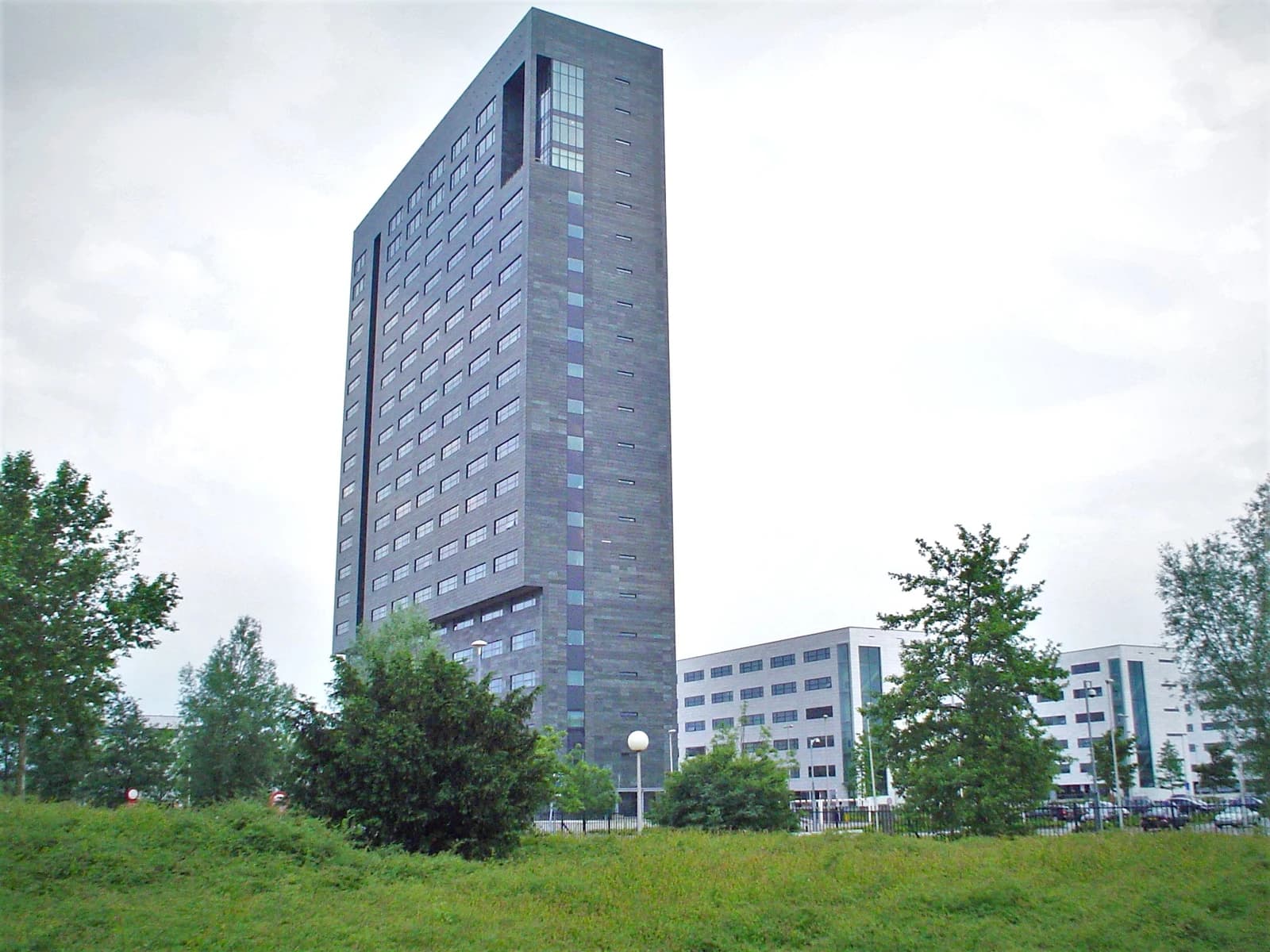
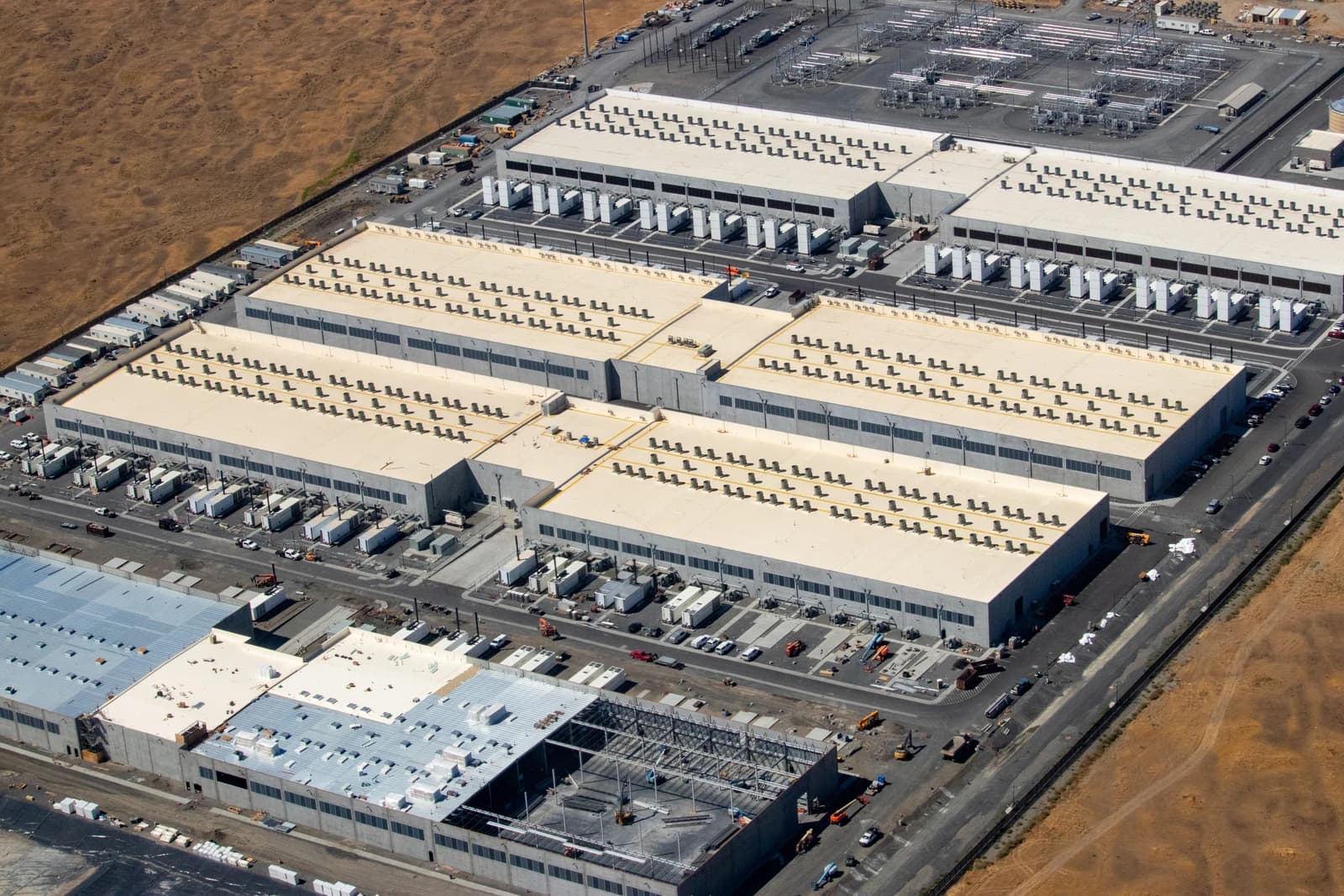
The Polish connection matters because the semiconductor industry has become more dependent, not less, on tightly coordinated global inputs just as governments in the US, Europe and Asia are trying to localize strategic capacity. TRUMPF Hüttinger, the electronics arm of Germany’s TRUMPF, says its Polish plants supply power systems used in advanced lithography and chip equipment, including the EUV machines built by ASML, the only company able to make the most cutting-edge lithography tools at scale.
That makes Poland part of an industrial chain that stretches from European engineering to Taiwanese chip fabrication and into US AI hardware. TRUMPF says all five of the largest Western chip-equipment makers use its solutions, while technology developed by Polish engineers for a Japanese partner underpins production of advanced flash memory. In practical terms, the country is embedded in the infrastructure that enables the highest-value segments of the semiconductor market.
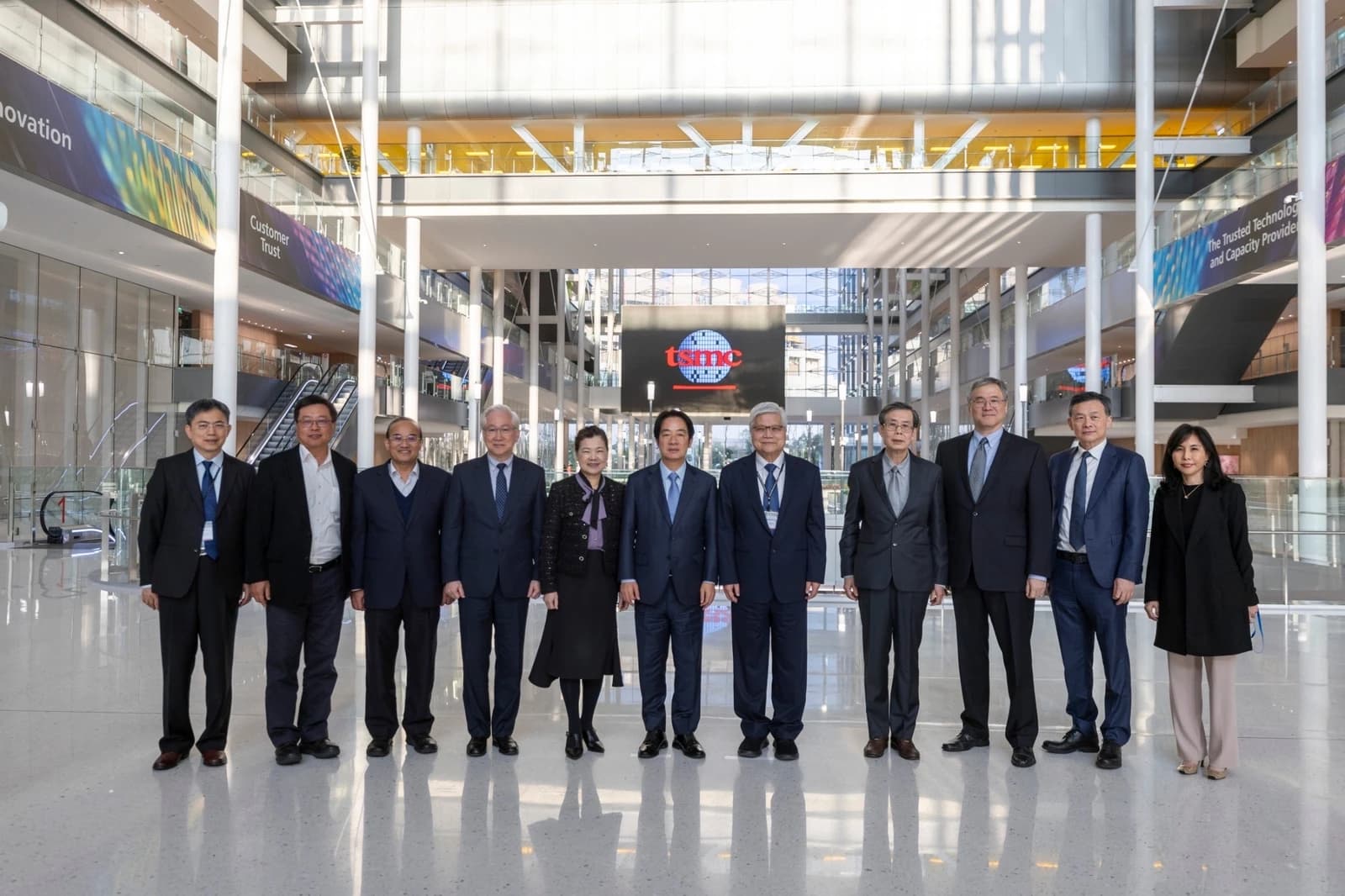
The timing is important. AI spending is still feeding the chip cycle even as investors worry about bubbles. TSMC, the world’s biggest contract chipmaker, has benefited from the AI buildout and from customers shifting production toward more advanced nodes, while SMIC’s latest results showed how China’s domestic substitution campaign is also strengthening local champions. At the same time, Nvidia’s shares have swung sharply, reflecting how quickly expectations can reset when the market questions the pace of AI capex.
The price action underscores that volatility. ASML shares have fallen to around 1,495 euros from above 1,800 euros in June, with the stock below its 50-day moving average and the RSI at 43.2, a sign of weakening momentum after a strong run. TSMC, meanwhile, is trading near $399, below its 50-day average of about $430 but still above its 200-day average, suggesting the market sees a softer near-term trend without abandoning the long-term AI thesis. Nvidia has been hit harder, slipping to about $162.85, well below both its 50-day and 200-day averages, with RSI near 19, which typically indicates deeply oversold conditions.
For investors, the significance is that the semiconductor story is no longer only about chip designers and foundries. It also depends on the industrial plumbing behind them: lasers, power supplies, vacuum systems, chemicals, test gear and other components that are often invisible until supply is disrupted. That gives relatively specialized suppliers strategic pricing power, but it also exposes them to concentration risk, customer capex cycles and geopolitical friction.
Europe’s policy debate adds another layer. TRUMPF’s chief executive has argued that the region risks regulating AI before it has fully built the industry, while capital continues to flow to the US rather than European projects. That matters because the semiconductor supply chain is already being pulled between industrial policy and market demand. If Europe cannot convert technical depth into long-term investment, more of the value created by AI-driven chip spending may migrate elsewhere.
For now, the winners are the companies with indispensable positions in the equipment chain and the chipmakers with exposure to AI demand. The losers are the jurisdictions trying to rebuild semiconductor sovereignty without enough capital, continuity or scale. The deeper narrative is not that one Polish plant makes chips, but that the future of the chip war may be decided by the overlooked suppliers that keep the most advanced machines running.
| Entity | Gains | Losses |
|---|---|---|
| TRUMPF Hüttinger / Zielonka | ▲Strategic supplier status | ▼Exposure to capex cycles |
| ASML and equipment makers | ▲Reliable component base | ▼Higher supply-chain concentration risk |
| TSMC and AI chip buyers | ▲Better access to advanced tools | ▼Dependence on fragile global inputs |
| Europe’s industrial policy | ▲Technical credibility | ▼Capital flight and slow execution |