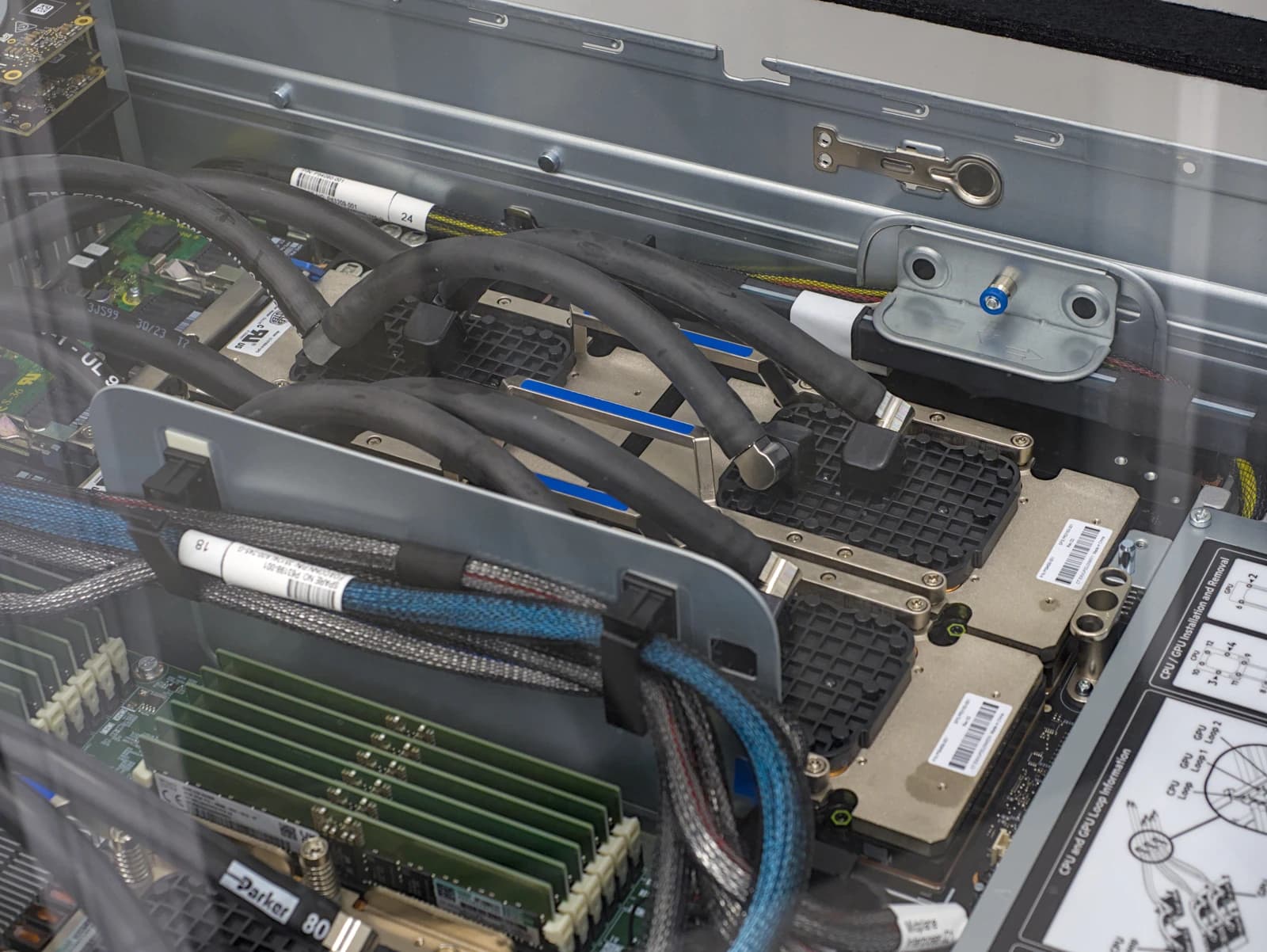
TSMC is pressing equipment suppliers to find motors that do not rely on rare-earth magnets from China, a supply-chain move aimed at keeping the world’s biggest contract chipmaker from running into production bottlenecks as Beijing tightens export controls.
TSMC seeks motors without China rare-earth magnets
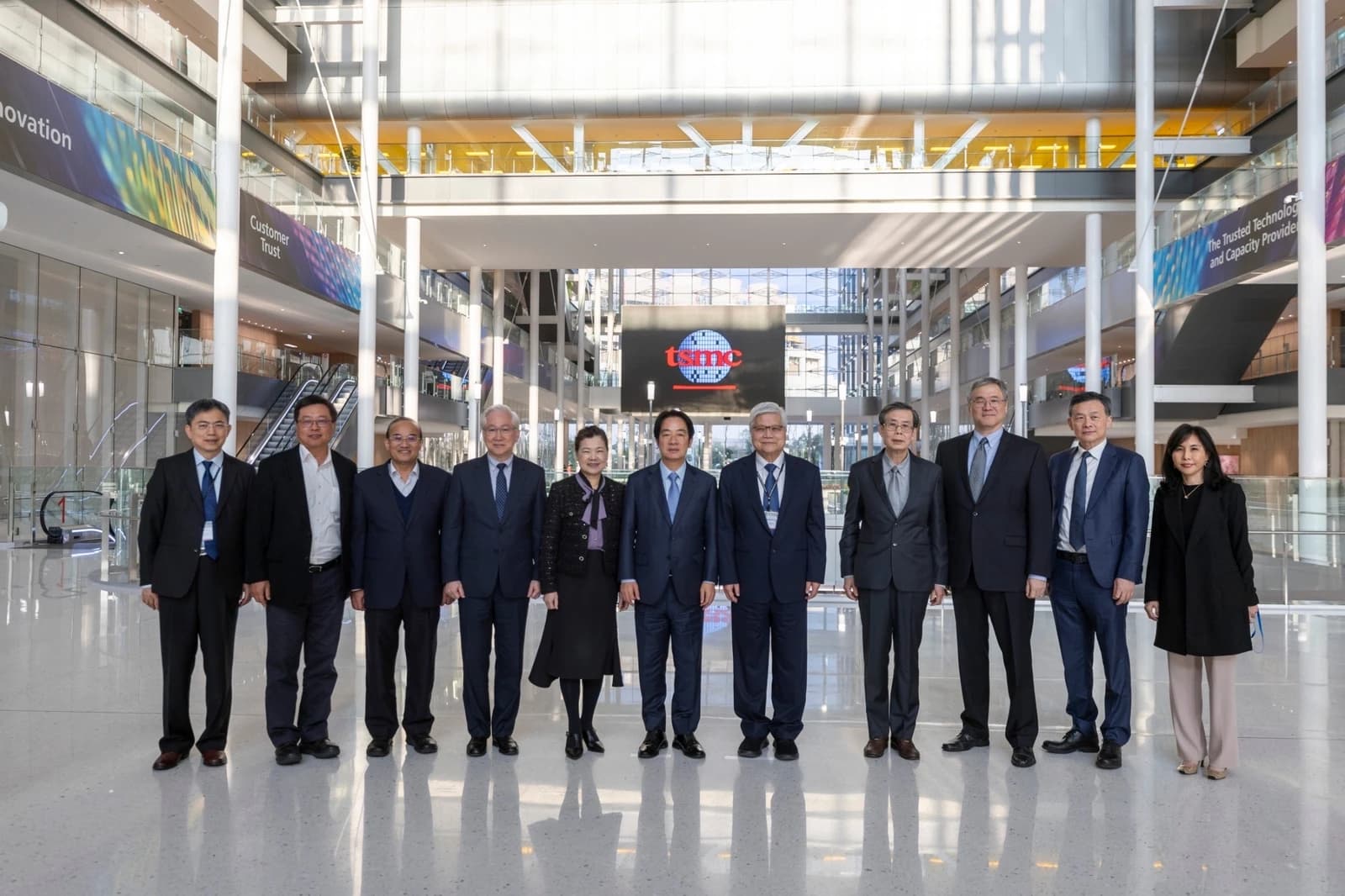
The effort matters because the motors sit inside automated tools that run advanced chip lines for customers including Nvidia, Apple and Qualcomm. Even if wafers, chemicals and other inputs are available, a shortage of specialized components can slow maintenance, limit tool installation and delay capacity expansion at a time when AI-related chip demand is still driving heavy investment across the sector.
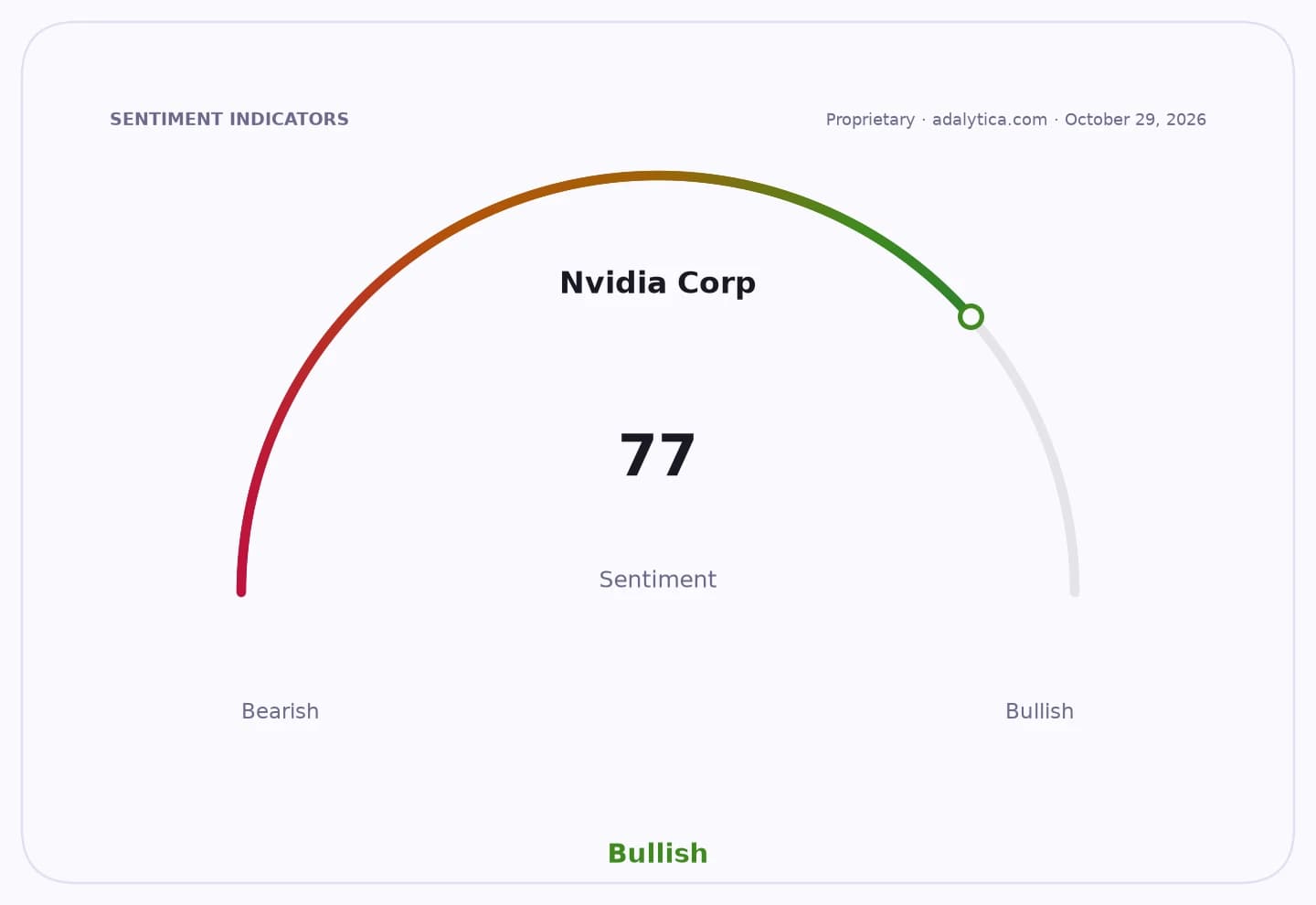
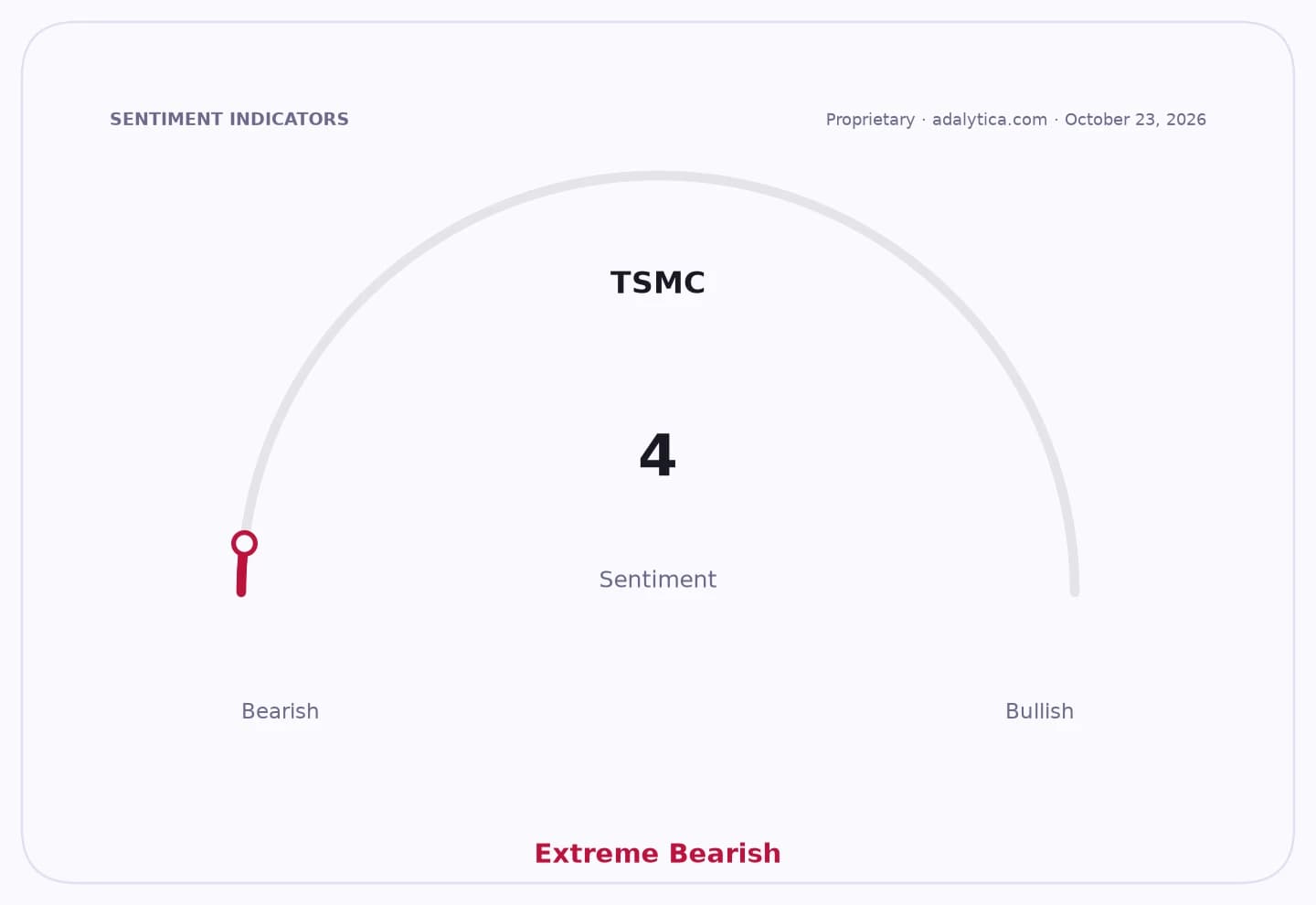
Sentiment Indicators
China dominates the upstream market for these materials, controlling about 90% of rare-earth processing and roughly 95% of finished permanent magnet production, according to the International Energy Agency. Beijing introduced export controls in April on seven types of medium and heavy rare earths and the magnets made from them, later widening the restrictions to include more materials, processing technology and equipment, although some of those measures were paused and then extended for another 90 days.
For TSMC, which makes the most advanced chips in the industry, the risk is not just higher costs but operational fragility. Alternative motor designs exist, including asynchronous motors and switched reluctance motors, and some systems can use ferrite magnets instead of rare-earth materials, but each option can reduce efficiency, precision, power density or raise engineering complexity.
The company’s push also shows how chipmakers and their suppliers are trying to de-risk from China without waiting for policy to resolve the problem. Taiwan is building its own rare-earth capabilities with U.S. support, with the Industrial Technology Research Institute targeting a pilot production line in about three years that could meet roughly half of local demand.
Investors will read the move as another sign that geopolitical restrictions are moving deeper into semiconductor manufacturing equipment, not just chips themselves. That raises the odds of higher supply-chain costs, longer lead times and more capex pressure for TSMC and its peers, while reinforcing the premium on companies that can secure non-China sourcing faster than competitors.
| Entity | Gains | Losses |
|---|---|---|
| TSMC | ▲Lower supply-chain risk | ▼Higher sourcing complexity |
| Equipment suppliers | ▲New design demand | ▼Engineering and retooling costs |
| China rare-earth exporters | ▲— | ▼Lost leverage over chip supply chain |
| Nvidia, Apple, Qualcomm | ▲More resilient chip supply | ▼Potentially slower capacity expansion |