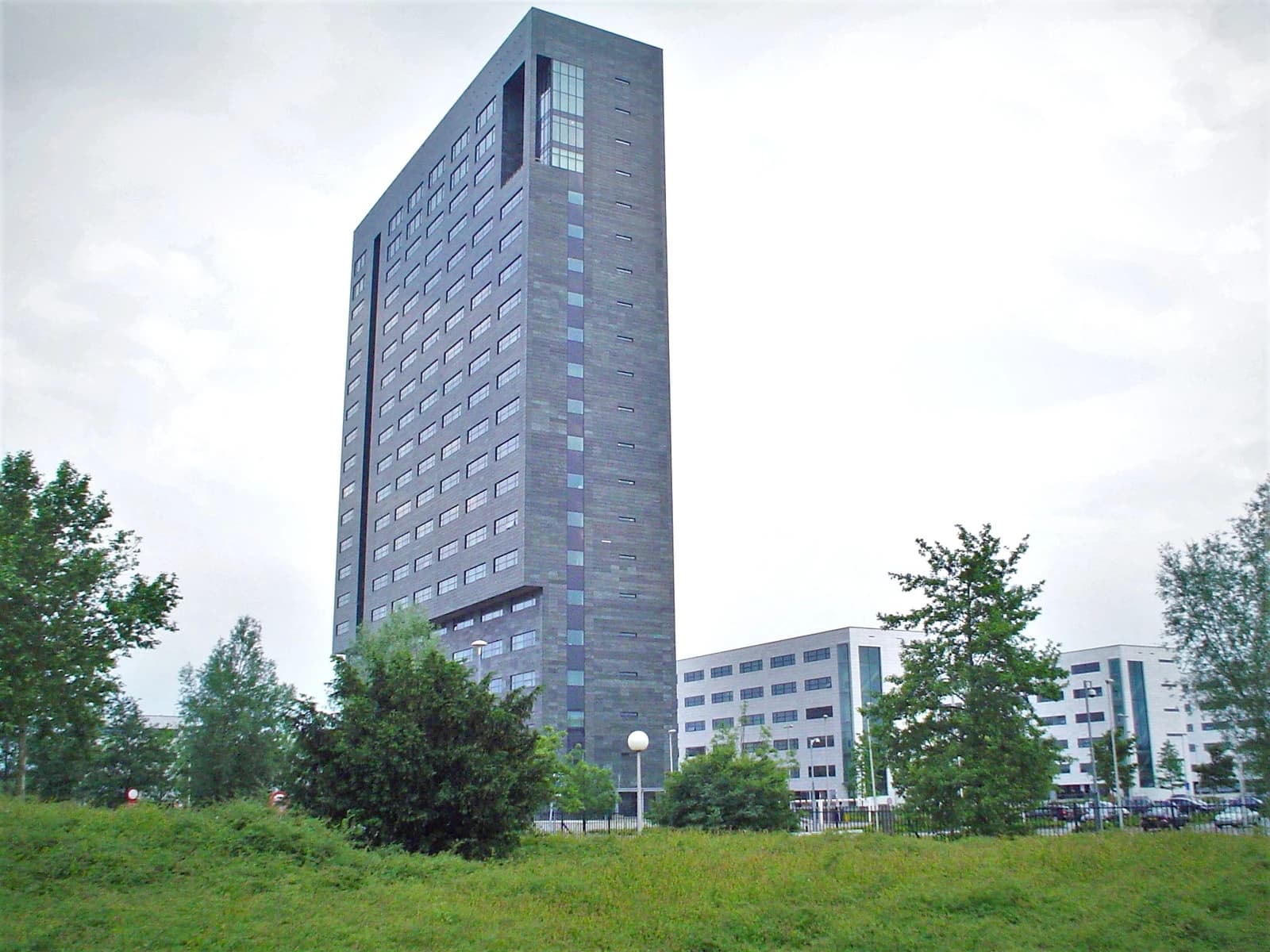
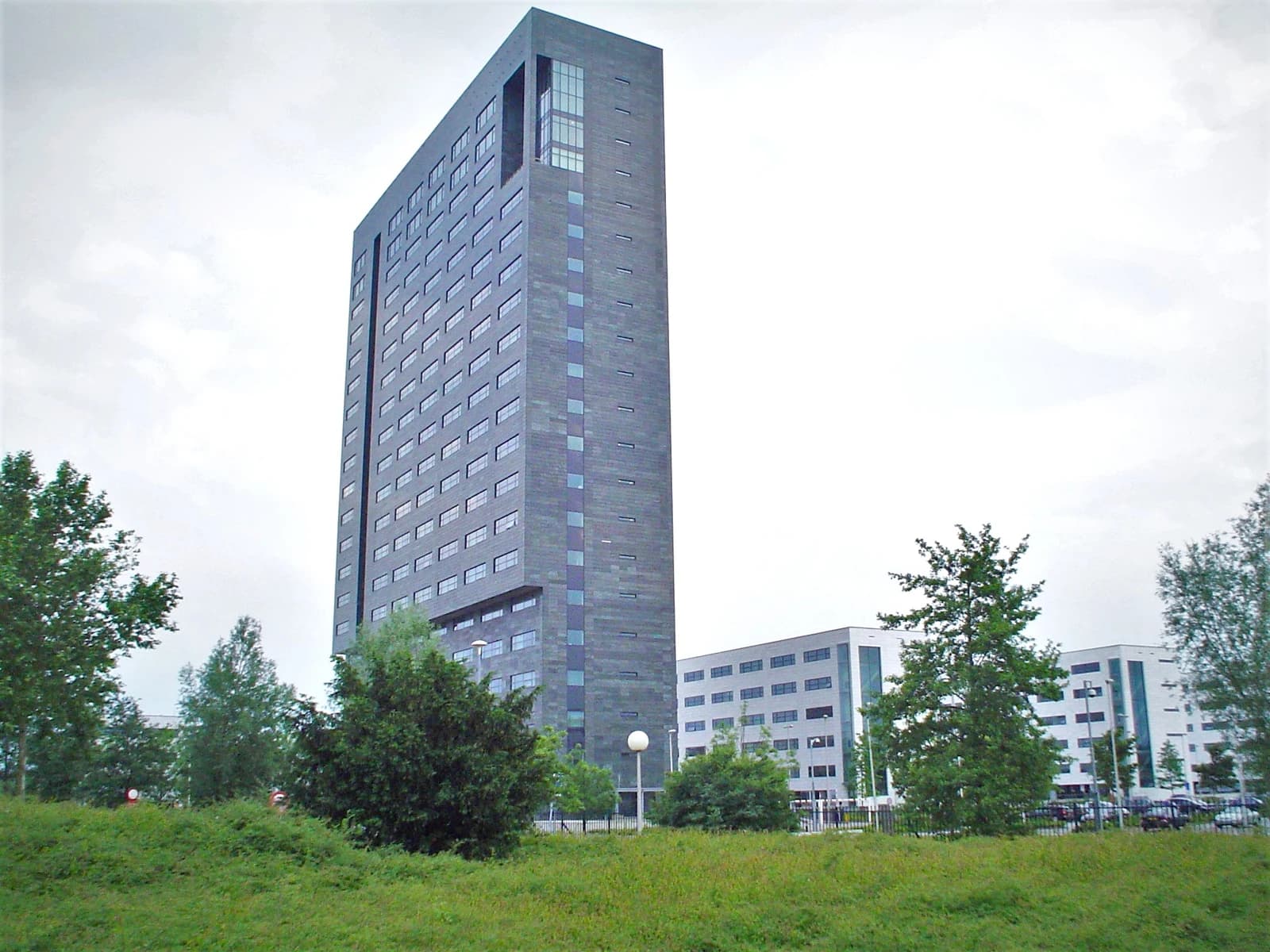
ASML is benefiting from the wave of semiconductor-intensive spending tied to AI, even as rising US yields and tighter export scrutiny put pressure on parts of the chip complex. The Dutch equipment maker’s latest results and guidance point to resilient demand for advanced wafer-fab tools, making it one of the clearest beneficiaries of the buildout in AI infrastructure.
ASML sales and outlook hold on AI demand
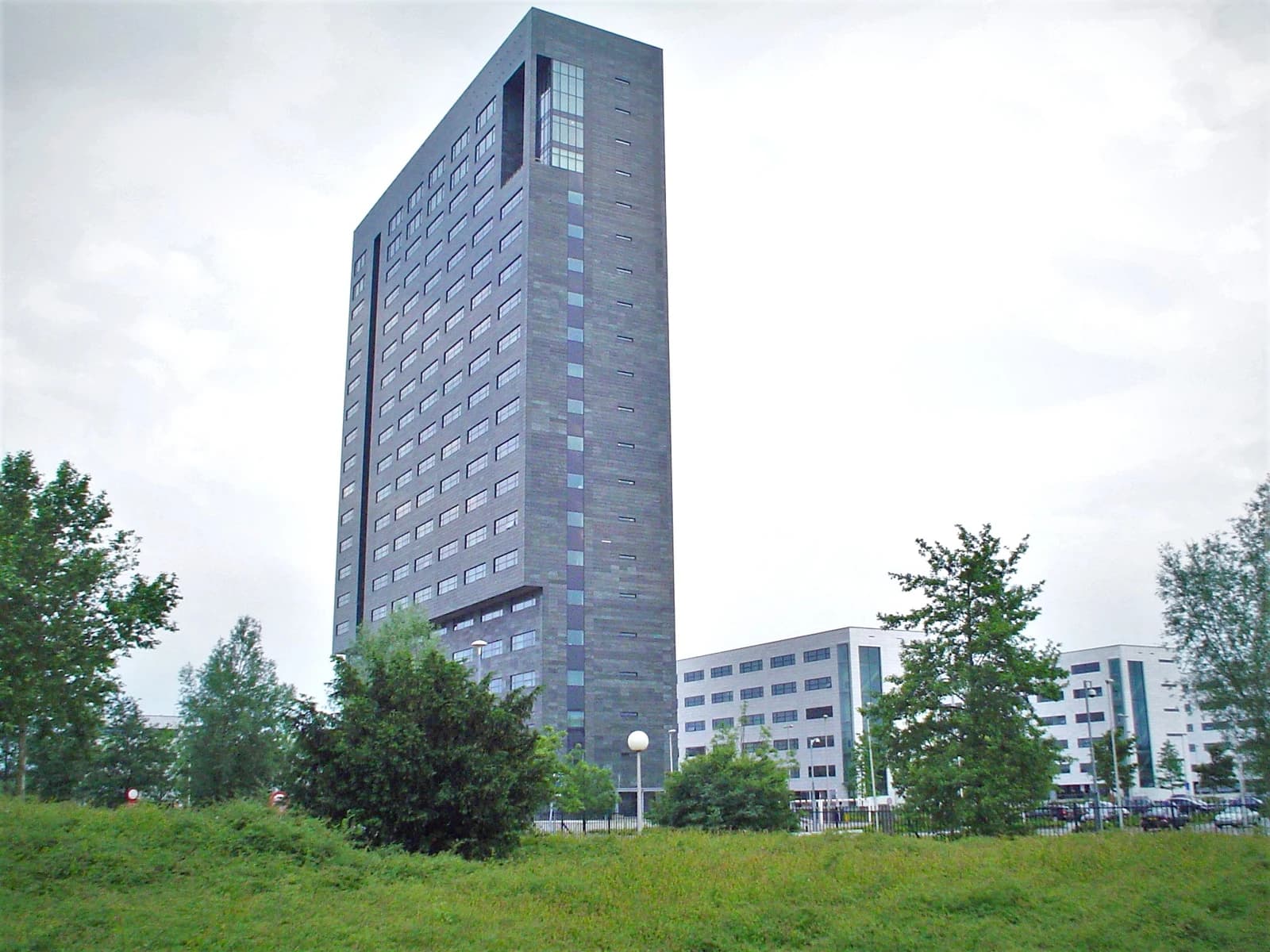
ASML reported third-quarter 2026 net sales of €11.7 billion and net income of €5.0 billion, while reiterating full-year sales of €44 billion to €45 billion and a gross margin around 56%. The company has now raised or reaffirmed its outlook through the year, underscoring that foundry and logic customers continue to spend on the most advanced manufacturing capacity even as macro volatility returns.
Sentiment Indicators
That matters because ASML sits at the bottleneck of the semiconductor supply chain: its extreme ultraviolet lithography machines are essential for leading-edge chip production, and demand for those tools tends to track the most capital-intensive phases of the AI cycle. For investors, that makes ASML a cleaner way to play long-duration AI capex than the chipmakers themselves, whose shares are more exposed to margin swings, export restrictions and end-market debates.
The contrast with Nvidia has sharpened. Nvidia shares have fallen to $162.85, down sharply from an October high, as technical indicators weakened and Adalytica’s NVIDIA Earnings Sentiment gauge showed “Extreme Fear” even as awareness stayed at 100. The stock’s RSI slipped to 19.1, a level that reflects heavily oversold conditions, while the broader scrutiny over US chip exports to China has added another overhang.
Taiwan Semiconductor Manufacturing Co, another key AI supply-chain bellwether, also shows how the trade is becoming more selective. TSMC shares have retreated to $398.73 from a recent peak above $476, with its own sentiment reading at 18 and labeled “Fear,” even though it remains directly exposed to AI demand. For now, the divergence suggests investors are favoring the infrastructure enablers with stronger visibility over the end-market names most exposed to policy risk.
Higher rates are adding another layer of pressure. The 10-year Treasury yield has climbed to 5.1%, while the Fed funds rate sits near 3.88%, a backdrop that raises the discount rate on growth assets and can squeeze valuations across the semiconductor group. Even so, ASML’s stock, at $1,495.16, remains well above its 200-day moving average and has held up better than several US chip peers, indicating that investors still see the company as structurally tied to AI spending rather than cyclical softness.
The near-term catalyst is whether customer spending on leading-edge capacity stays firm into 2027 and whether Washington’s export-control push intensifies further. If AI capex holds, ASML remains one of the market’s most direct beneficiaries; if China restrictions broaden or chip spending slows, the whole semiconductor chain could get repriced again.
| Entity | Gains | Losses |
|---|---|---|
| ASML | ▲AI-driven equipment demand | ▼If wafer-fab spending slows |
| Nvidia | ▲Near-term AI chip demand | ▼Export controls and valuation pressure |
| TSMC | ▲Advanced-node production growth | ▼China policy risk and rate headwinds |
| Bondholders / cash buyers | ▲Higher yields on government debt | ▼Growth-stock valuations |