ASML’s latest results show the AI build-out is still outrunning the chip-equipment industry’s ability to supply it, even after the Dutch company lifted its outlook again. The key issue for investors is no longer whether AI demand is real, but how much of that growth is already embedded in a stock that has rallied hard and now faces a tougher test on valuation, execution and export risk.
ASML Raises Outlook on AI Chip Demand
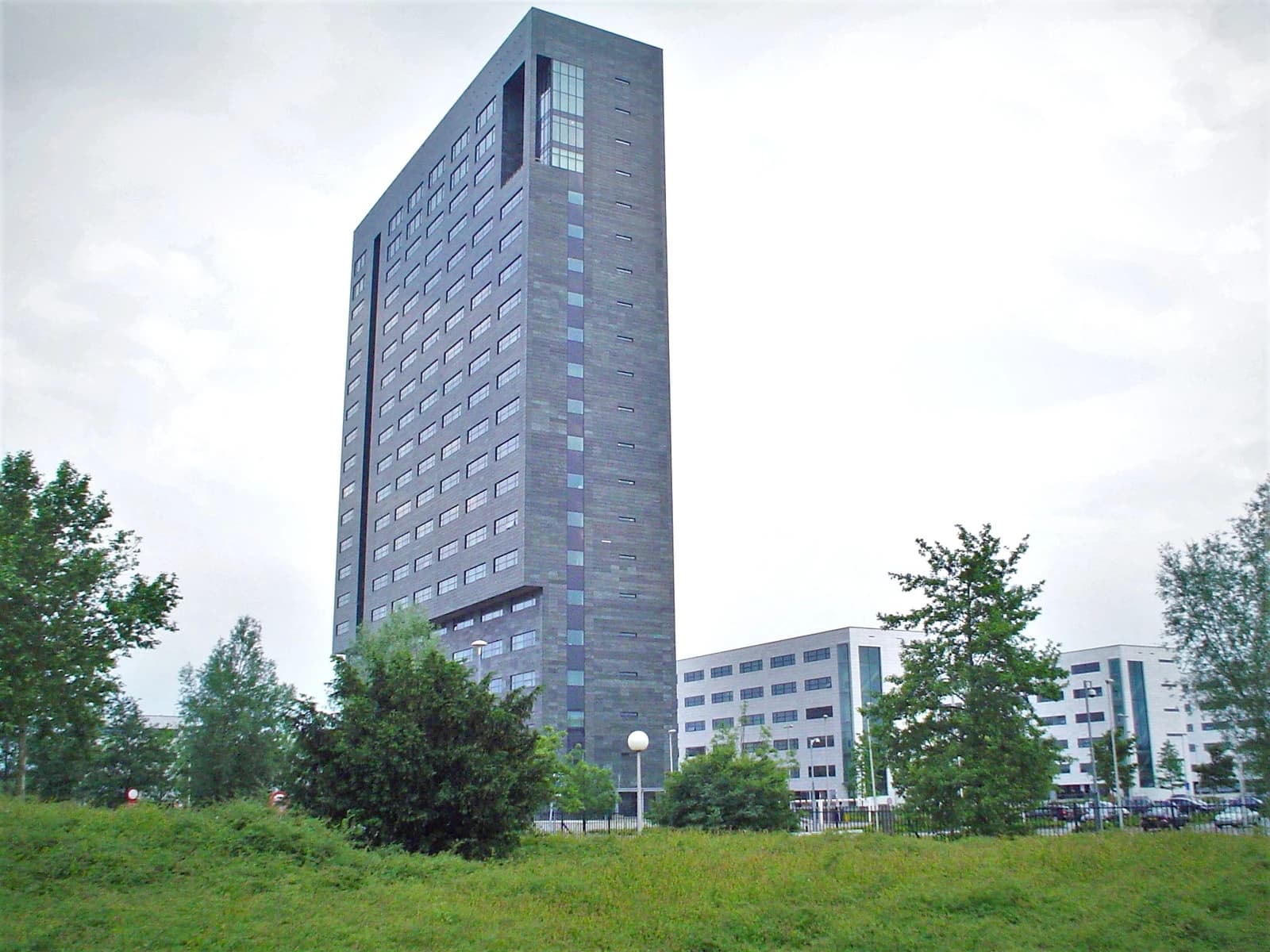
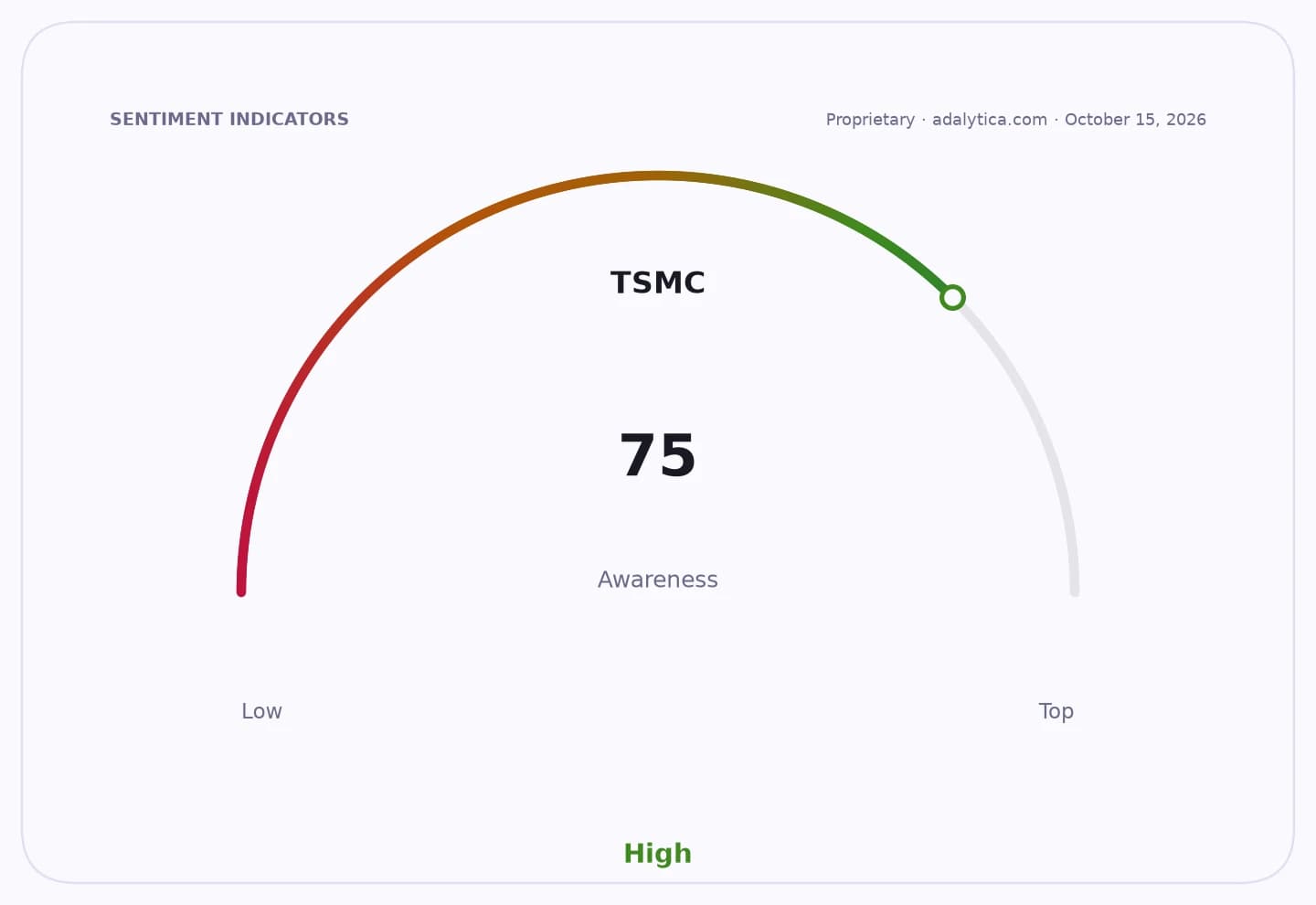
The company said third-quarter net sales rose 55% and profit more than doubled, while it now expects 2026 sales of between €44 billion and €45 billion with gross margin around 56%. That is a strong signal that the spending wave from chipmakers such as TSMC and Samsung is still feeding through to ASML’s order book. But it also reinforces a more important point: the bottleneck is not demand, it is capacity. ASML itself has said customer demand cannot yet be fully met, even with added production.
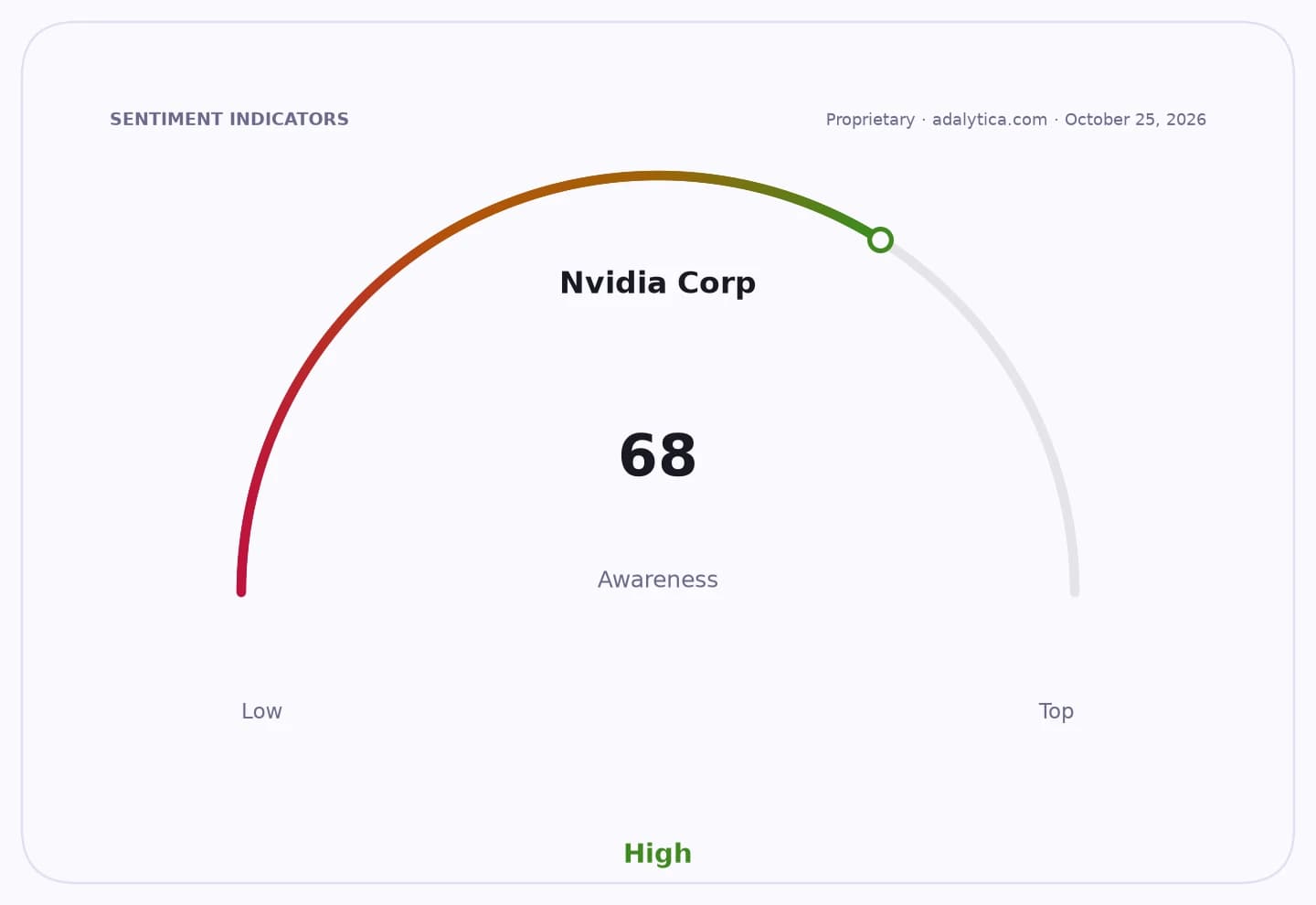
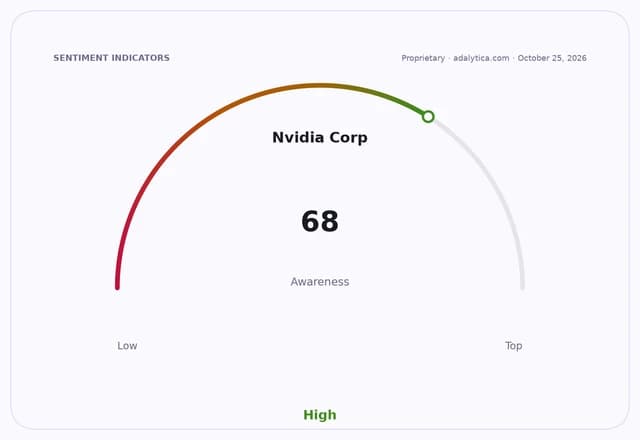
Sentiment IndicatorsⓘProprietary · adalytica.com · October 25, 2026
This is a snapshot — live sentiment, awareness and momentum for 130+ markets update continuously in the dashboard.Open AlphaPulse
That matters because ASML sits at the center of the AI hardware supply chain. Its extreme ultraviolet, or EUV, lithography machines are essential for making the most advanced semiconductors used in AI accelerators and leading-edge logic chips. As long as hyperscalers, chip designers and foundries keep spending heavily on AI infrastructure, ASML has pricing power and visibility that many industrial and technology names lack. The counterargument is that those advantages are increasingly reflected in the shares already. With the stock down sharply from its recent highs and trading well below its 50-day moving average, investors are clearly re-pricing the path from strong current demand to sustained multi-year growth.
Technical indicators underscore the reset. ASML’s share price has slipped toward the lower end of its recent trading range, with the relative strength index deeply oversold and the stock below both its 50-day and 200-day moving averages. That does not change the long-term AI thesis, but it shows sentiment has shifted from enthusiasm to caution, as the market asks whether the next leg of growth can match the valuation implied by earlier optimism.
The bigger strategic question is the next technology step: High NA EUV. That platform should deepen ASML’s moat by making more advanced chip production possible, but it also raises the bar on customer adoption, manufacturing complexity and capital intensity. If TSMC and Samsung continue to move forward, ASML’s earnings power could extend well beyond the current AI cycle. If deployment slows, the company could still post solid numbers, but the market may struggle to justify a premium multiple on growth that is already widely expected.
Risks remain familiar but material. Export controls could limit sales into China, and any supply-chain bottlenecks could delay revenue conversion even when demand is strong. For investors, the next catalyst is whether ASML can keep lifting guidance while proving that the AI capex cycle is broad enough to sustain margins and order momentum into 2027.
| Entity | Gains | Losses |
|---|---|---|
| ASML | ▲Higher sales and margins | ▼Execution and capacity pressure |
| AI chipmakers | ▲Better access to leading-edge tools | ▼Longer lead times |
| TSMC and Samsung | ▲Technology road map advances | ▼Higher capex burden |
| Short-term bulls | ▲AI thesis confirmed | ▼Valuation risk if growth normalizes |