President Donald Trump’s attempt to downplay a string of high-profile outages has put a sharper market spotlight on the real investment issue: America’s critical digital infrastructure is aging fast, and the cost of fixing it is moving higher.
Microsoft, FAA Outages Put Infrastructure Spending in Focus
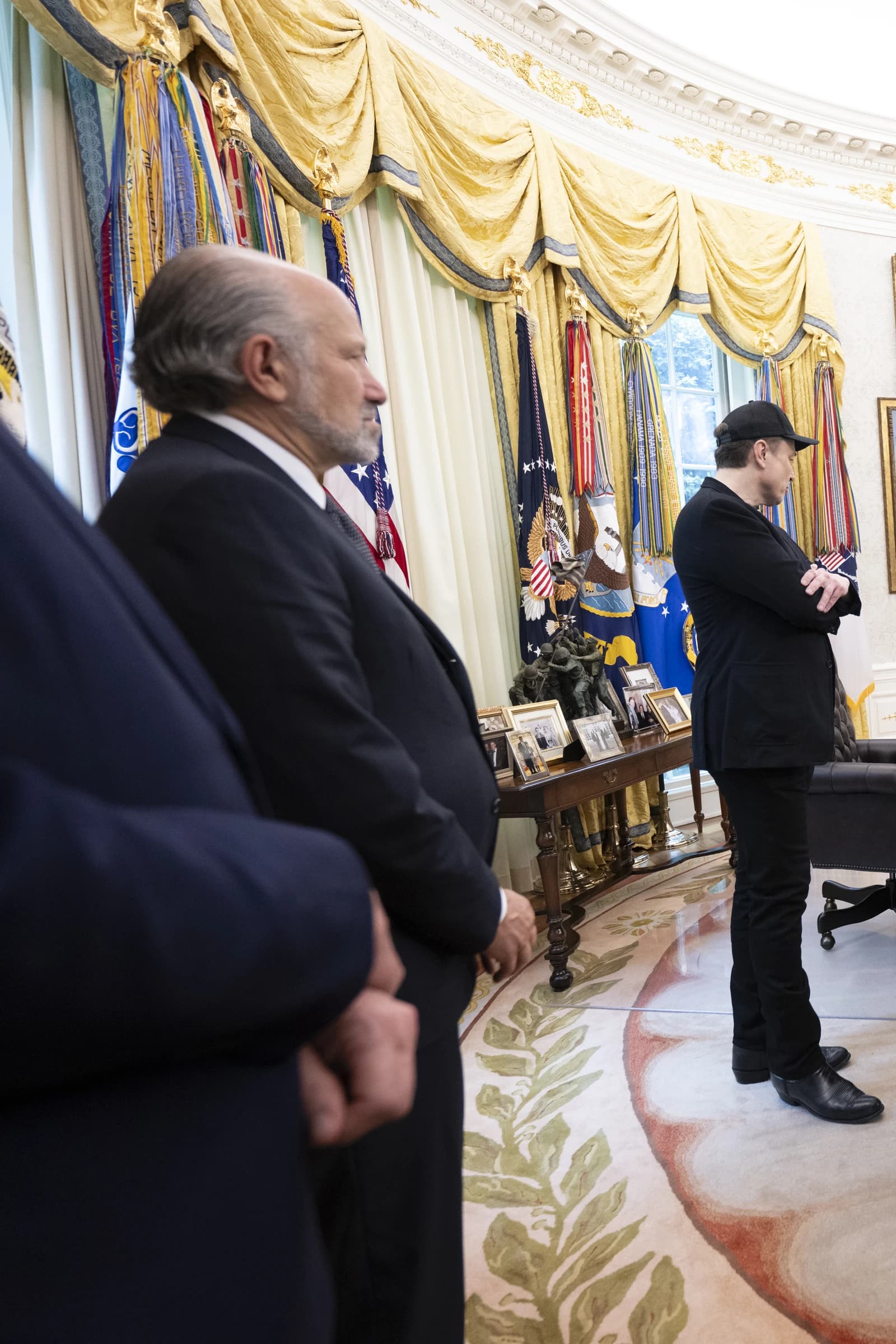
Speaking at the ASEAN summit, Trump said outages happen when companies are “big and powerful” and “have all the money,” while separately blaming last week’s nationwide FAA ground stop on “very, very old equipment” and pressing Congress for more funding to modernize airspace telecommunications. That matters because the market is increasingly treating outages not as isolated glitches, but as evidence that banks, airlines, cloud providers and federal networks are all exposed to the same fragile backbone.
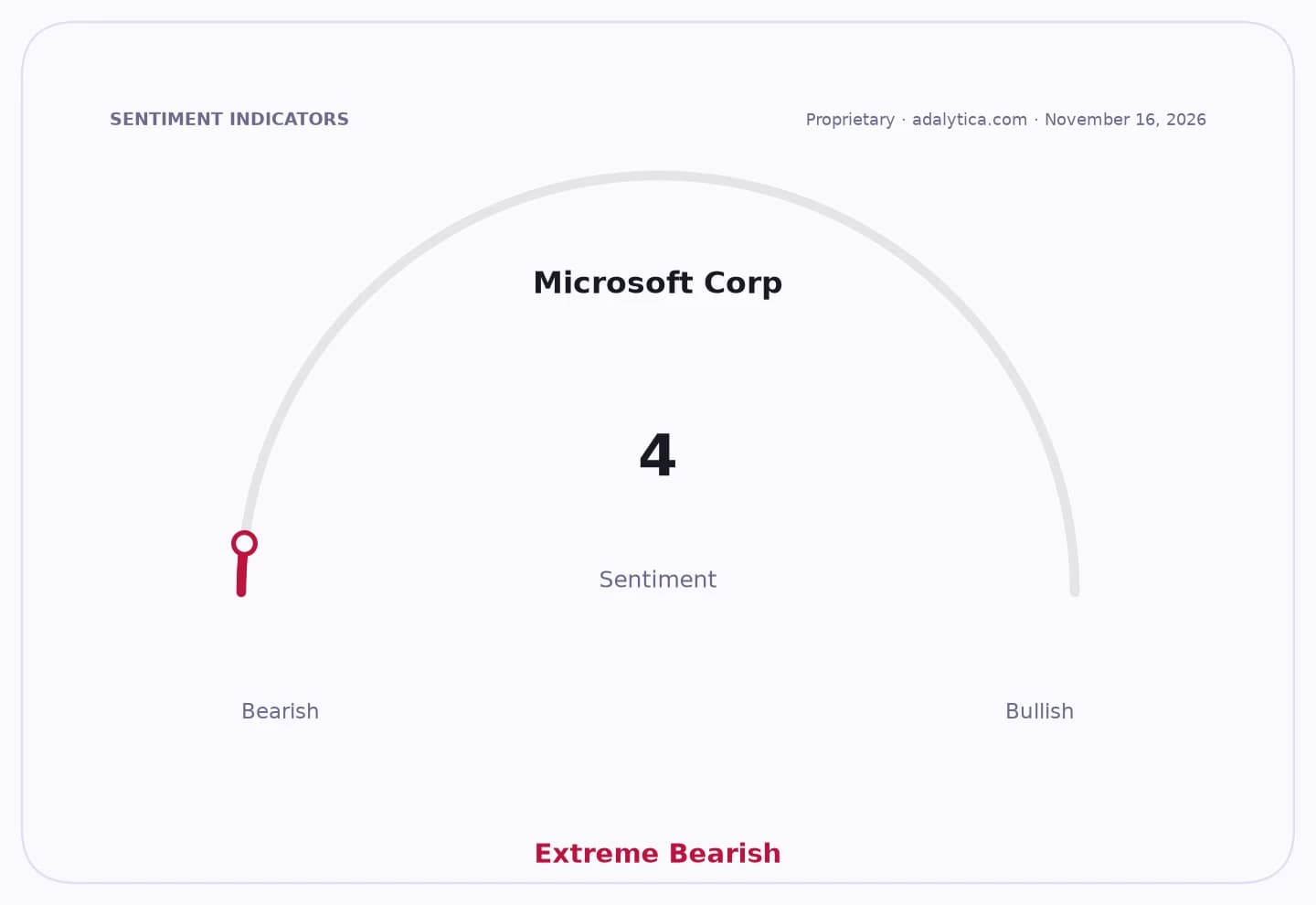
Sentiment Indicators

The FAA disruption, which snarled flights across the country, is the clearest example. It followed technical problems at Microsoft and temporary online banking issues at Chase, Bank of America, Wells Fargo and U.S. Bank. None of those incidents have been formally linked, but together they reinforce a simple investment thesis: the U.S. economy is becoming more dependent on software-rich systems while core infrastructure remains vulnerable to failure.
For investors, that is not just a headline risk. It is a capital-spending cycle. When routers fail, systems go down and regulators start asking questions, the winners are the firms that sell the hardware, networking gear, cloud resilience and security layers needed to keep essential services running. The losers are the operators carrying the outage risk, along with any company whose valuation depends on the market assuming uninterrupted uptime and flawless execution.
Microsoft Corp
Microsoft, Amazon and Google all sit at the center of that trade. Microsoft’s shares have already shown how quickly sentiment can swing: recent price action has turned volatile, and Adalytica’s Microsoft earnings sentiment has collapsed to “Extreme Fear.” Amazon and Alphabet remain better positioned structurally, but their data-center and network-heavy businesses also face rising scrutiny as customers demand more redundancy and governments push for tougher reliability standards.
The bigger story is that outage resilience is becoming a secular theme alongside AI itself. AI demand is driving massive data-center buildout, more power use, more networking complexity and more operational stress. That makes the next leg of spending less about flashy model launches and more about the unglamorous infrastructure underneath them: routers, backup systems, cybersecurity, cloud failover and modernization of public networks.
That creates a clear investment map. The market should be looking beyond the megacap names to the suppliers of the picks-and-shovels: network hardware makers, data-center infrastructure providers, cybersecurity firms and contractors tied to federal modernization budgets. If Washington follows Trump’s call for more money, the beneficiaries will be the companies that sell reliability, not the ones that merely promise it.
The message is straightforward: outages are no longer just operational embarrassments. They are a catalyst for a multi-year rebuild of the digital and physical systems that keep the economy moving, and that rebuild could become one of the most durable capex stories in the market.
| Entity | Gains | Losses |
|---|---|---|
| Network hardware suppliers | ▲Modernization spending | ▼Legacy systems providers |
| Cybersecurity firms | ▲Resilience demand | ▼Complacent operators |
| Microsoft, banks, airlines | ▲Long-term upgrades | ▼Near-term trust and uptime |
| Federal infrastructure contractors | ▲Government funding | ▼Agencies with aging systems |