A software bug at JPMorgan Chase briefly rippled through the U.S. payments system on Monday, delaying online banking access and Zelle transfers for some customers at major banks and highlighting how concentrated digital plumbing at the country’s biggest lenders can turn a single technical fault into a broader consumer disruption.
JPMorgan Chase Outage Delays Zelle Transfers

JPMorgan said the issue was tied to an on-premise hardware system and was not cyber-related, framing it as an operational failure rather than a security breach. Even so, the outage landed at the center of the banking network because Chase is one of the largest participants in retail payments and Zelle, the peer-to-peer transfer service jointly owned by several large U.S. banks.
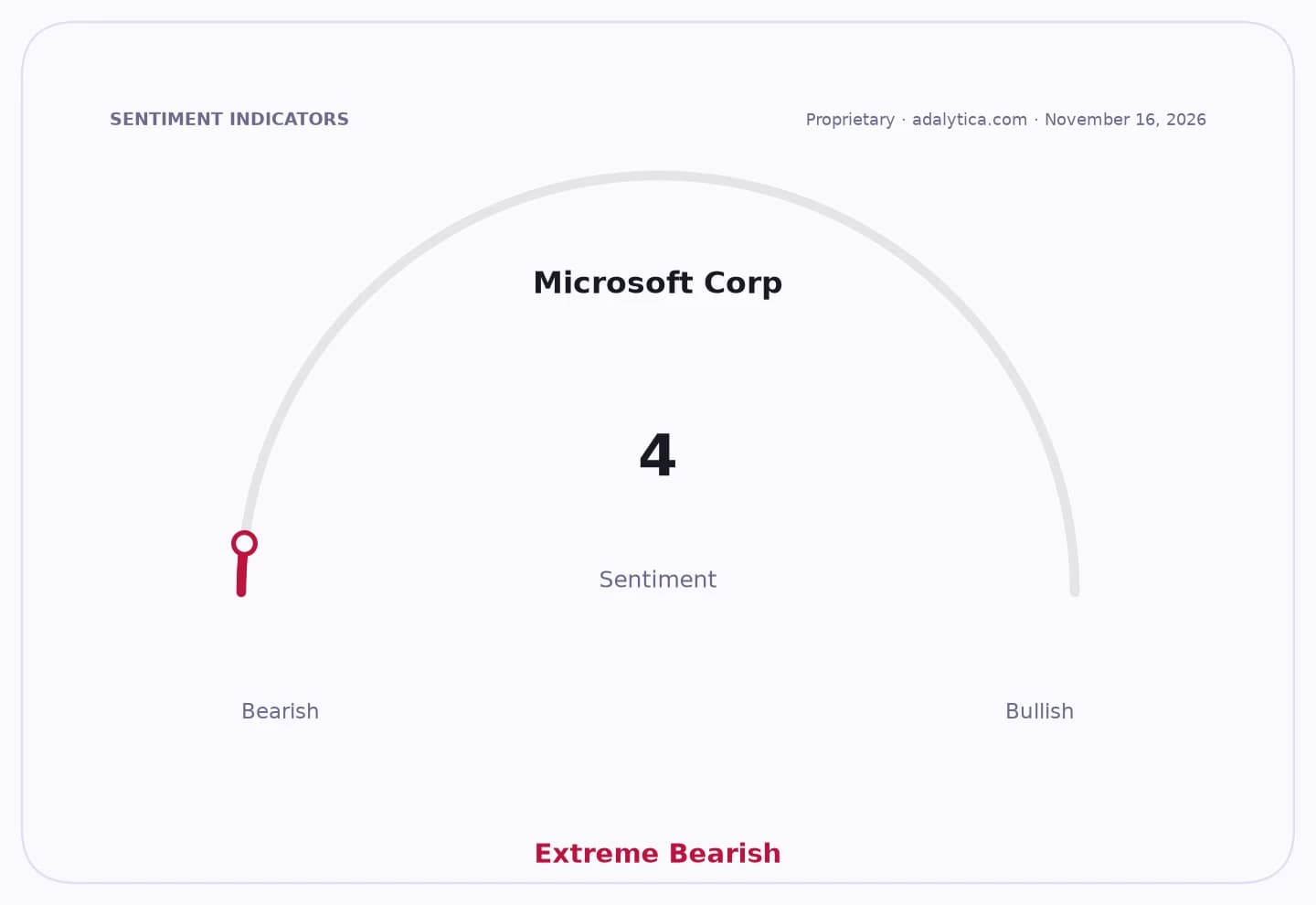
Sentiment Indicators
The practical impact matters more than the narrow cause. JPMorgan said the problem was “Chase-only,” but banks including Bank of America, Citigroup and U.S. Bank acknowledged that customers trying to send or receive payments with Chase could see delays. Early Warning Services, which operates Zelle, said the network itself was fully operational, underscoring that the disruption was likely concentrated at a major node rather than embedded in the wider rails.
That distinction is important for investors. The incident does not appear to threaten capital, liquidity or earnings in the way a credit event would, but it does expose the operational risk that sits beneath fee income and retail banking relationships. For JPMorgan, the episode is a reminder that technology resilience is now a core balance-sheet issue in practice, even if it does not appear there in headline financial metrics. For rivals, it is a short-term reminder that customer experience can be harmed by another bank’s failure if that institution sits in the transaction path.
The episode also comes against a backdrop of recent high-profile disruptions in other parts of the economy, including a Microsoft outage and a separate air traffic control outage, reinforcing investor concern that critical infrastructure is becoming more vulnerable to software failures. Banks have spent heavily on digital channels because customers increasingly expect instant access to accounts and payments, but that same dependence magnifies the cost of any service interruption.
For JPMorgan, the market risk is likely limited unless the outage proves prolonged or recurrent. Shares were little changed in the broader context of the bank’s recent trading range, and technical indicators on the stock suggest it remains near its 50-day moving average rather than in a sharply dislocated trend. The bigger issue is reputational: repeated friction in mobile and online banking can erode trust, increase call-center loads and draw closer supervisory scrutiny around operational controls.
The likely near-term focus will be on restoration and root-cause analysis. Longer term, the episode strengthens the case for banks to invest more in redundancy, failover systems and transaction routing that can isolate outages before they cascade through retail payments. For investors, the takeaway is that operational reliability is increasingly part of the competitive moat in U.S. banking, alongside deposits, scale and loan growth.
| Entity | Gains | Losses |
|---|---|---|
| JPMorgan Chase | ▲Faster fix if contained | ▼Reputational damage |
| Bank of America/Citigroup/Wells Fargo | ▲No direct system failure | ▼Customer frustration from delays |
| Zelle/Early Warning Services | ▲Operational role validated | ▼Trust if outages recur |
| Bank customers | ▲No permanent financial loss | ▼Delayed transfers and access |