JPMorgan Chase is losing a team of advisers overseeing about $18 billion in client assets, a fresh reminder that top private-banking talent can walk out the door with money that is far more difficult to replace than deposits or loans.
JPMorgan loses advisers overseeing $18 billion

The breakaway matters because wealth management is one of the most profitable and strategically important businesses at major U.S. banks. When a team with that much portable client money leaves, the immediate risk is not just one-time revenue loss but a longer-term erosion of fee income, lending relationships and cross-selling opportunities.
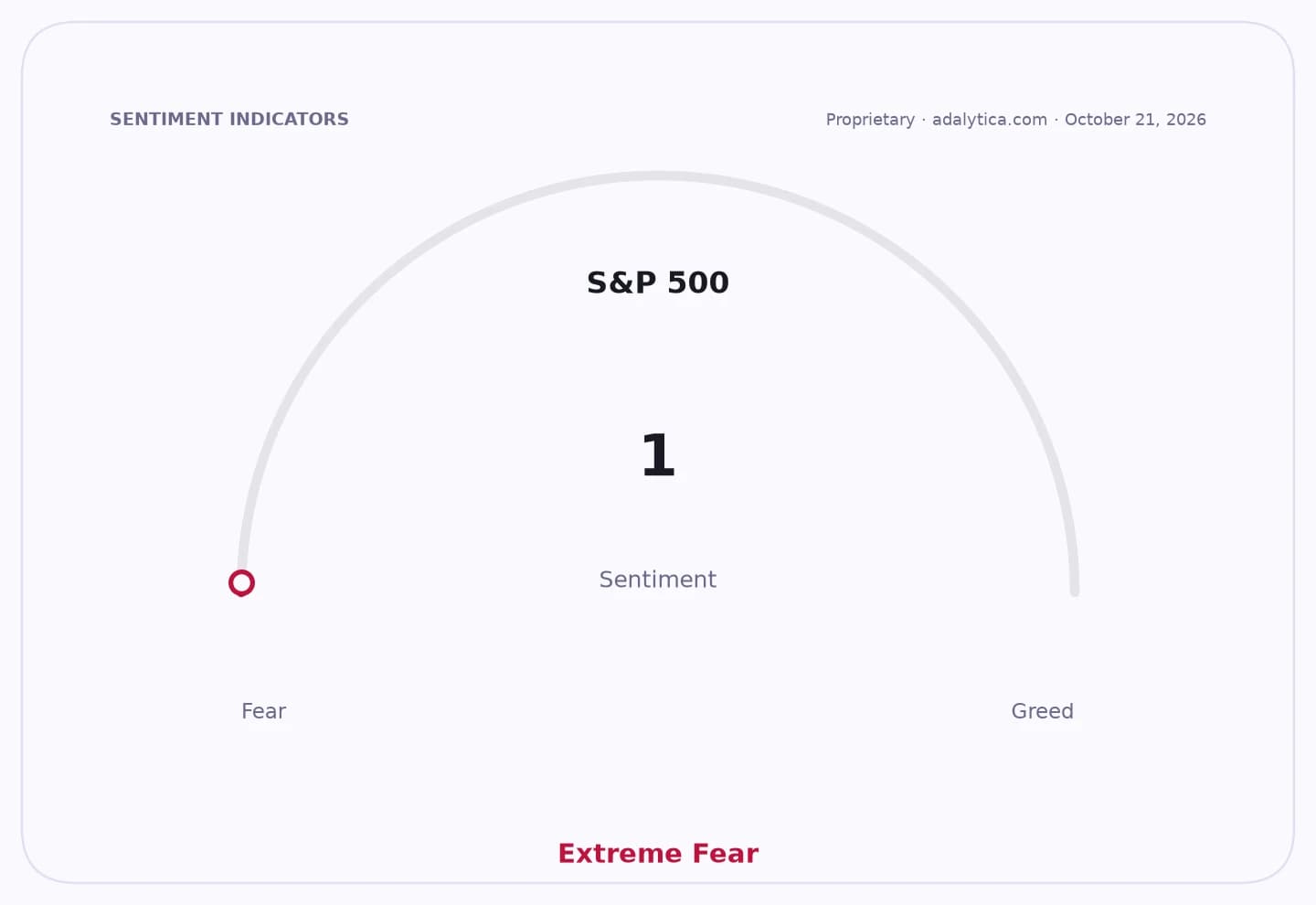
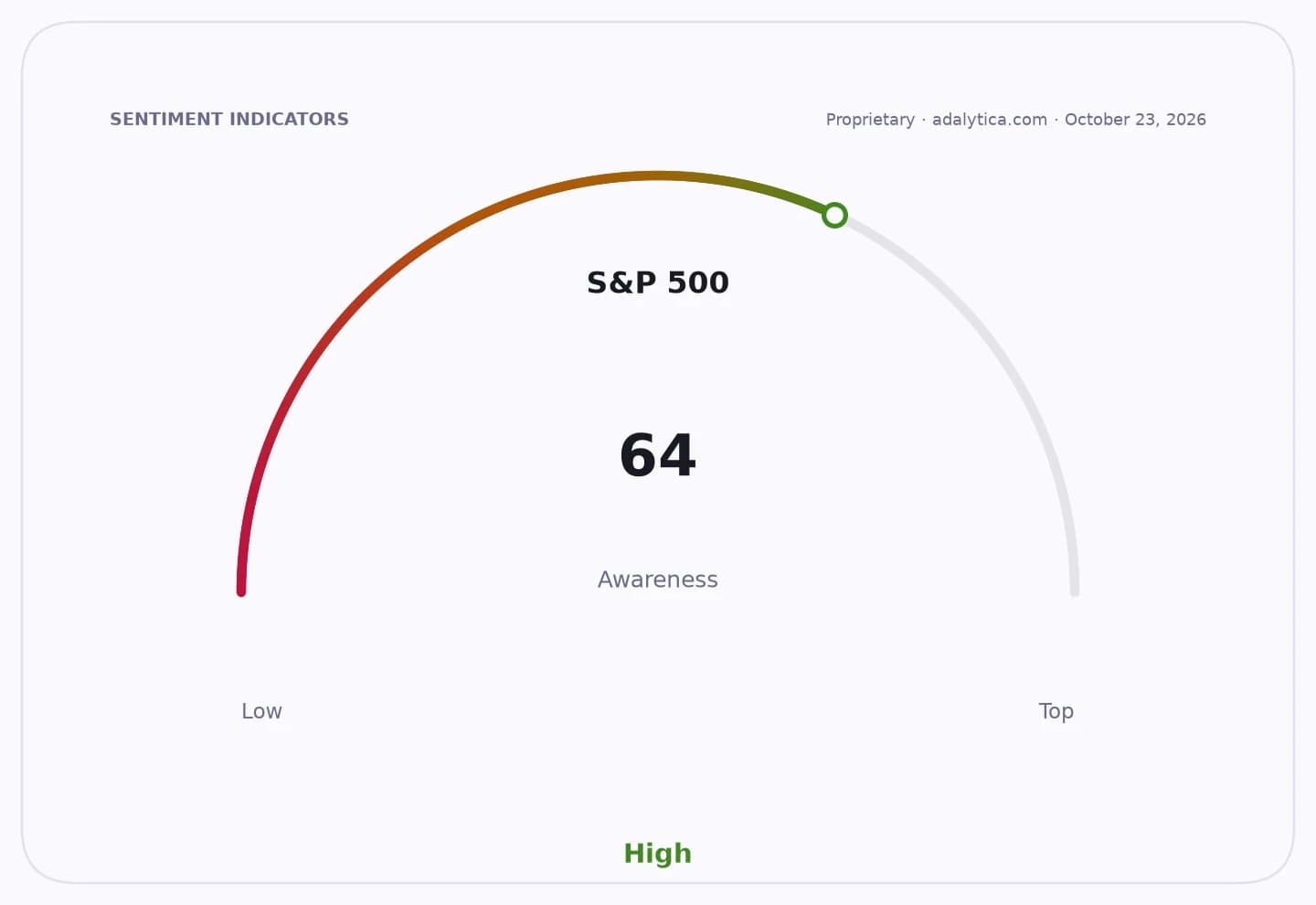
Sentiment IndicatorsⓘProprietary · adalytica.com · October 23, 2026
This is a snapshot — live sentiment, awareness and momentum for 130+ markets update continuously in the dashboard.Open AlphaPulse
For JPMorgan, the departure is a reputational and commercial test as it competes against rivals such as Morgan Stanley and Bank of America for affluent households and family-office clients. Those firms have spent heavily to deepen wealth platforms, and adviser defections can quickly translate into asset outflows if clients follow the team.
The move also lands as JPMorgan’s shares trade near $336, not far below the 50-day moving average of about $345, after a strong run earlier in the year. The stock has held above its 200-day moving average of roughly $320, suggesting investors are still giving the bank credit for its scale and earnings power, but the private-banking leak is the kind of granular risk that can pressure sentiment if it spreads.
The broader backdrop is a financial sector that remains highly dependent on relationship-driven businesses at a time when competition for wealthy clients is intense and compensation costs are rising. JPMorgan reported third-quarter net income of $15.3 billion earlier this month, underscoring its overall strength, but the adviser exit shows that even the largest bank in the U.S. cannot take its wealth franchise for granted.
Investors will be watching whether the departing team triggers any additional attrition, how much client money ultimately moves with them and whether JPMorgan responds with retention efforts of its own. The key question now is whether this is an isolated breakaway or the start of a wider challenge in one of the firm’s highest-margin businesses.
| Entity | Gains | Losses |
|---|---|---|
| Breakaway advisers | ▲Independence, higher autonomy | ▼JPMorgan platform support |
| New firm | ▲Client portability, brand control | ▼Start-up execution risk |
| JPMorgan Chase | ▲None immediately | ▼Fee revenue, client assets |
| Rival wealth managers | ▲Recruiting opportunity | ▼Fiercer talent competition |