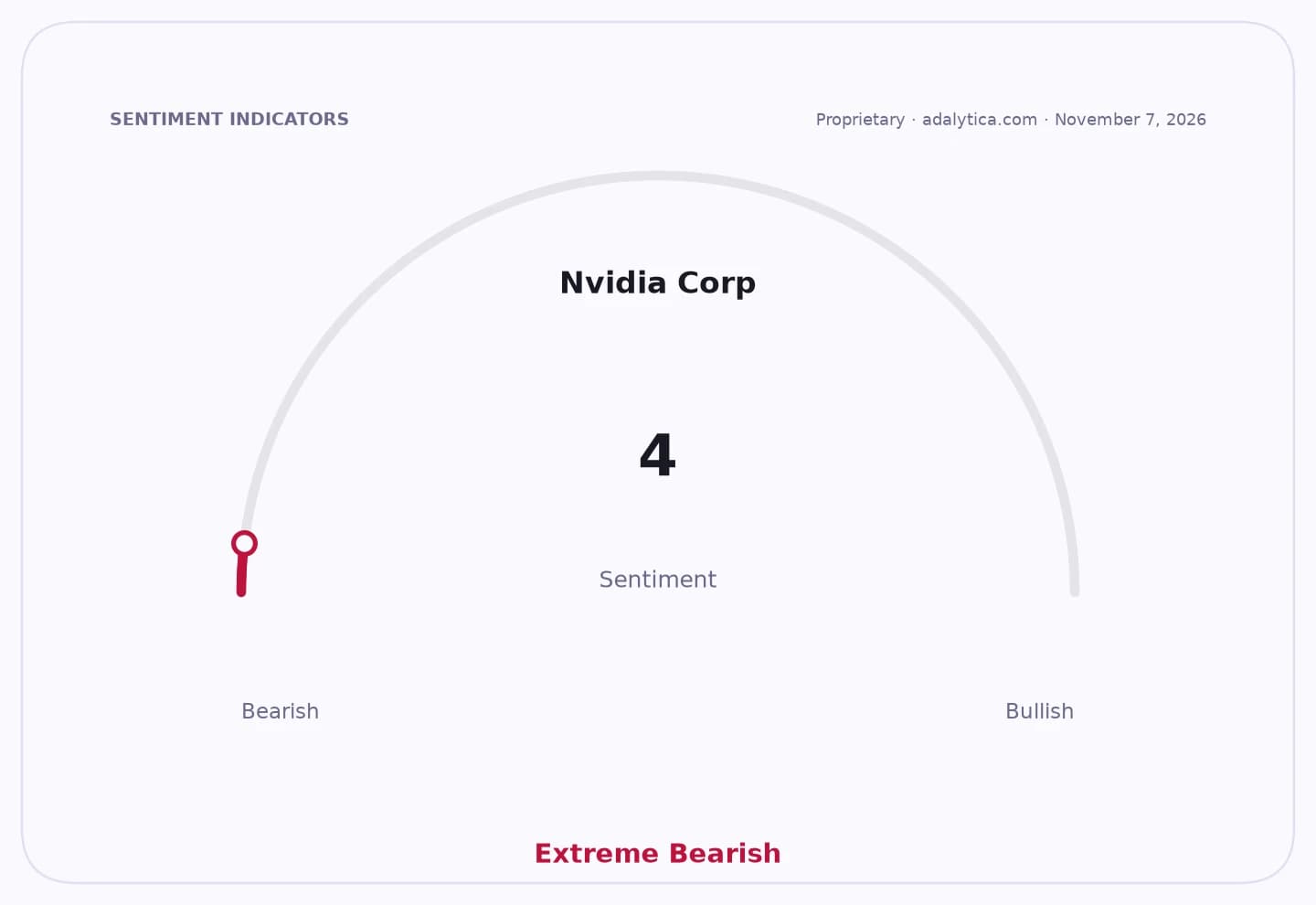
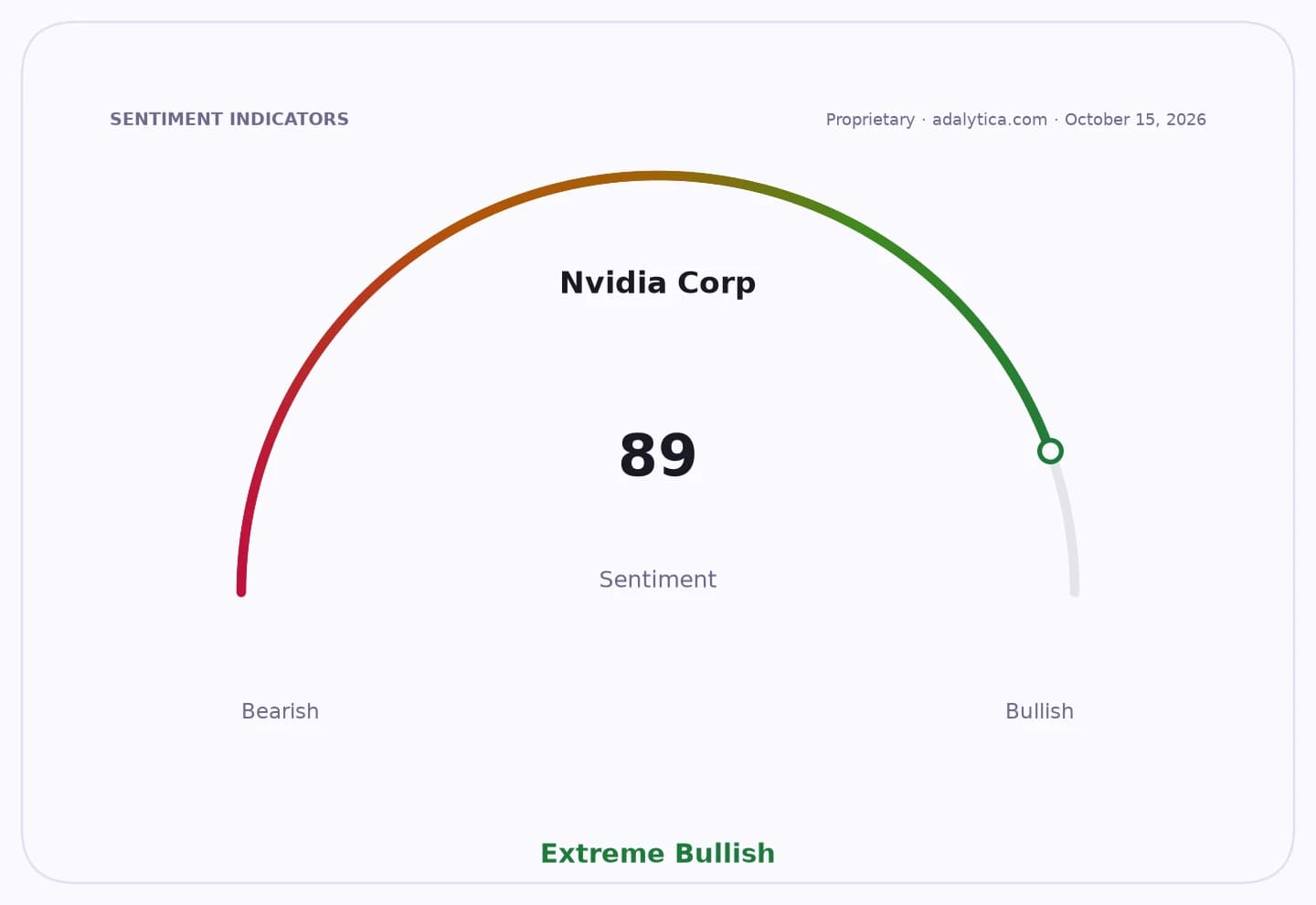
Microsoft’s reported $5 billion AI spending shortfall is rattling the market because it points to a far bigger issue than one company’s capex timing: the pace of AI infrastructure monetization is running into real-world delivery constraints, and the first names to feel it are the “pick-and-shovel” suppliers built around hyperscale demand.
Microsoft AI spending delay hits IREN and Nebius
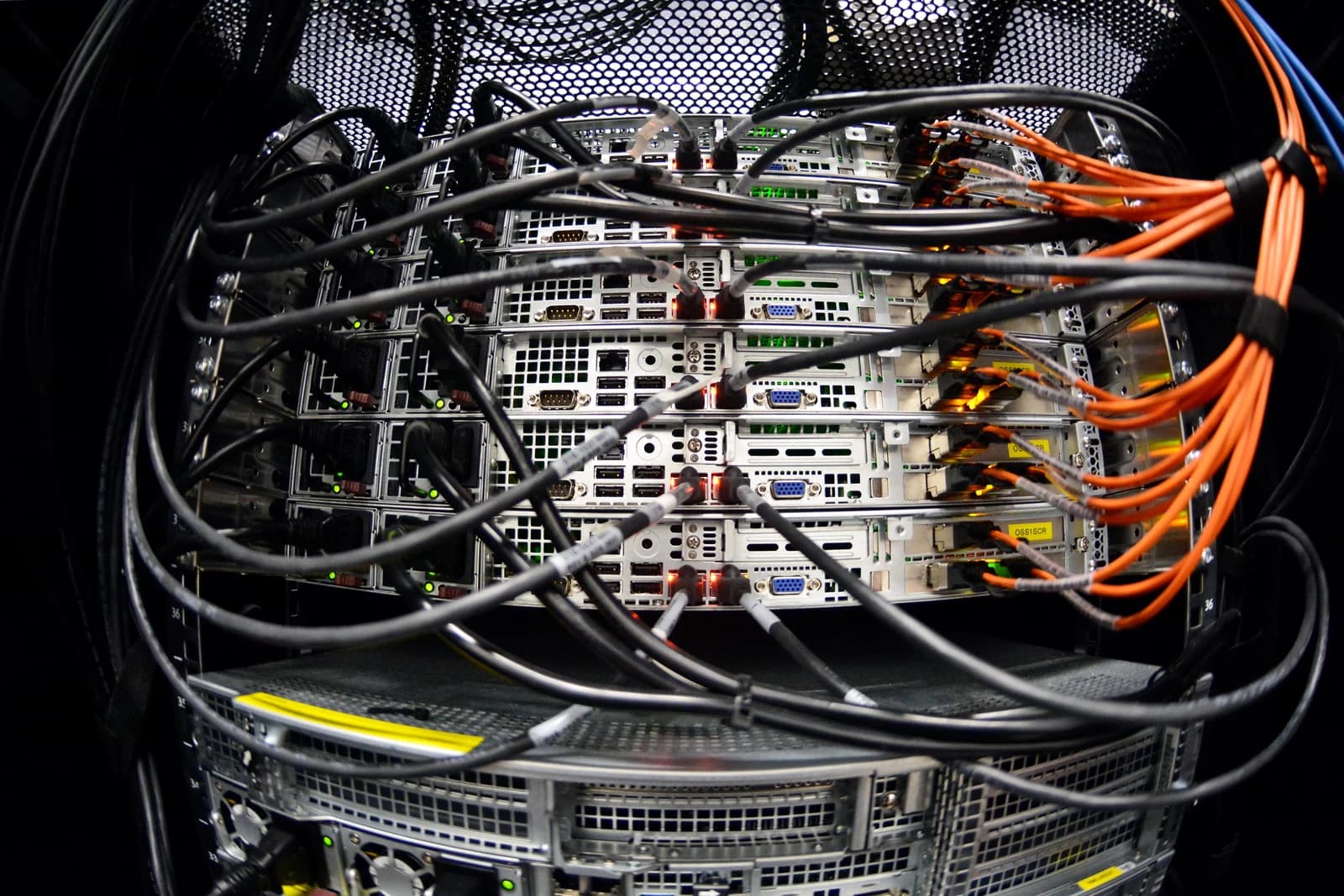
That is why IREN and Nebius are suddenly under the microscope. Satellite imagery showing data center delays suggests some of the capacity Microsoft expected to bring online has slipped, and that matters for investors who have spent the past year bidding up the next layer of the AI trade: not just the big platform winners, but the landlords, operators and infrastructure providers supplying compute, power and cooling.
Sentiment Indicators
The economic significance is straightforward. If Microsoft is not deploying capital as quickly as the market anticipated, the ripple effect reaches every company positioned to monetize that spend. For data center developers, GPU hosts and AI cloud operators, timing is everything. Delayed construction or energization can mean delayed revenue recognition, weaker utilization and pressure on funding plans. For a capital-intensive business, even a modest timing gap can force a harsher reset in valuation.
IREN, which has been pitched as a vertically integrated AI cloud and data center platform, is especially exposed to the market’s changing appetite. Its shares have already been volatile, and the stock’s technical picture shows a name under pressure: it is trading well below its 50-day and 200-day moving averages, with RSI readings still subdued after a steep drawdown. Nebius has also been hit hard after a blistering run earlier in the year, and the chart now reflects a market that is no longer willing to pay up for AI infrastructure promises without visible execution.
Microsoft itself is not the problem so much as the signal it sends. The company remains one of the most important capex engines in the AI economy, and any hesitation from it reverberates through the supply chain. Its stock has still been resilient relative to the battered AI infrastructure names, and the broader sentiment reading around Microsoft is extreme greed, underscoring how crowded the bullish trade had become before this reset. But when a megacap slows even slightly, the second-order effects can be brutal for smaller, more levered beneficiaries.
The market underestimates how quickly AI enthusiasm can move from scarcity premium to execution discount. We have seen this in prior infrastructure booms: first the demand shock, then the supply scramble, then the scrutiny over buildout schedules, financing and returns. The current pullback may be painful for longs, but it also creates a selective opportunity. Investors should focus less on headline AI exposure and more on names with real power access, contracted demand and balance-sheet flexibility.
That is the key divergence now. If the delays prove temporary, the selloff in IREN, Nebius and other AI infrastructure proxies could prove excessive. If they are a sign of a broader slowdown in hyperscaler deployment, the winners will be the companies that can preserve capital and wait out the cycle, while the losers will be those reliant on aggressive near-term capacity assumptions.
For investors, the takeaway is clear: this is not a reason to abandon AI infrastructure, but it is a reason to be more disciplined. Buy the companies that own scarce capacity, not just the ones exposed to speculation about it.
| Entity | Gains | Losses |
|---|---|---|
| Microsoft | ▲More time to stage capex | ▼Near-term buildout pace |
| IREN | ▲Selective rebound if delays reverse | ▼Revenue timing, sentiment |
| Nebius | ▲Longer-term scarcity premium | ▼Valuation, execution credibility |
| Power/land owners | ▲Tight supply pricing | ▼Contractors tied to stalled builds |