The next phase of the AI boom is looking less like a straight-line growth story and more like a capital-intensive infrastructure race, with Microsoft, Nvidia and Alphabet all flagging rising costs tied to energy, water, land and regulation just as their shares come under pressure.
Microsoft, Nvidia, Alphabet flag AI infrastructure costs

That matters because the market has spent much of the past two years rewarding the largest AI beneficiaries for revenue growth and model leadership, while treating the physical and policy costs of scaling as a secondary issue. The latest warnings from company filings suggest those costs are moving closer to the center of the investment case, especially for firms building or financing the data centers, chips and cloud capacity required to keep AI deployment on track.
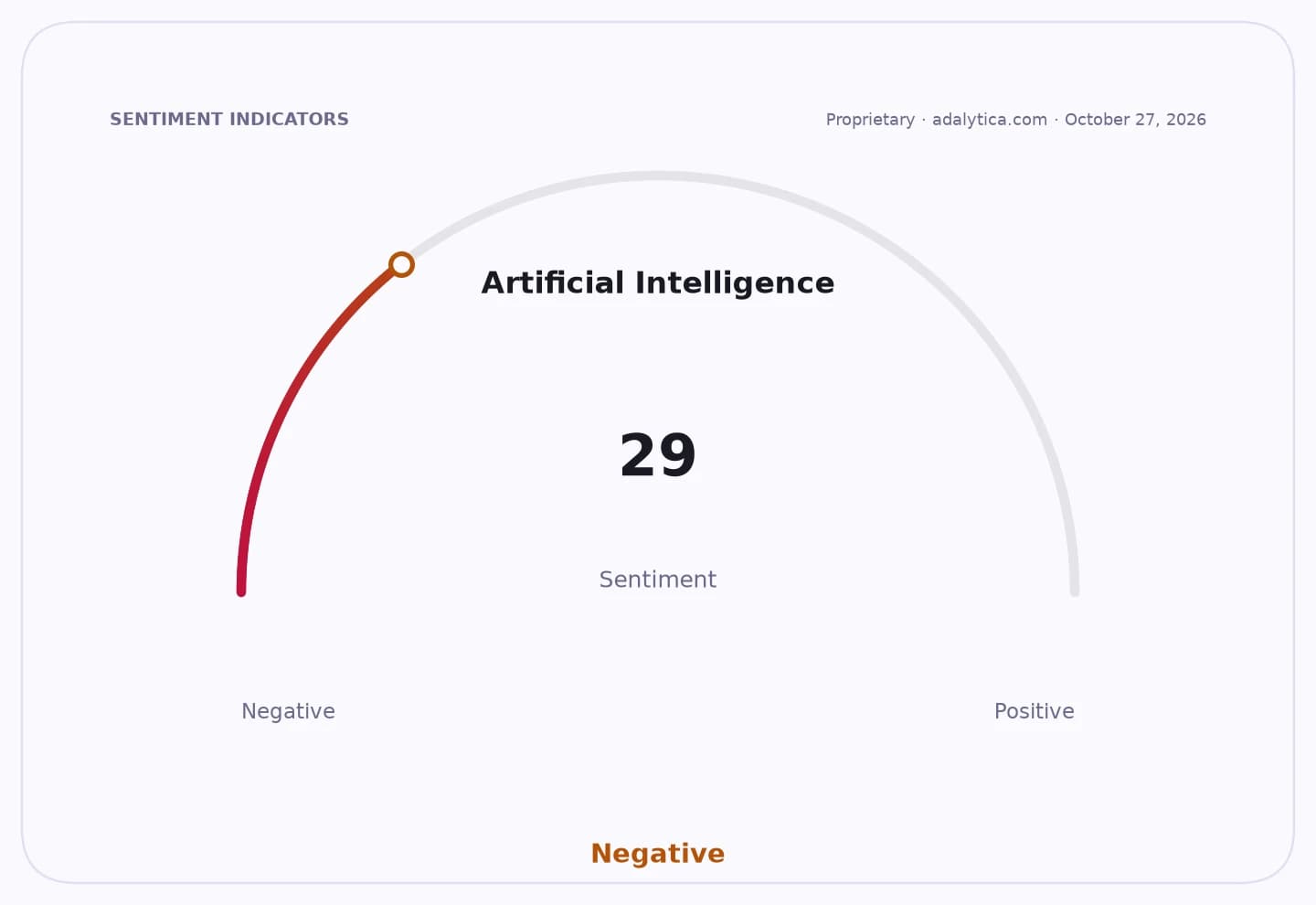
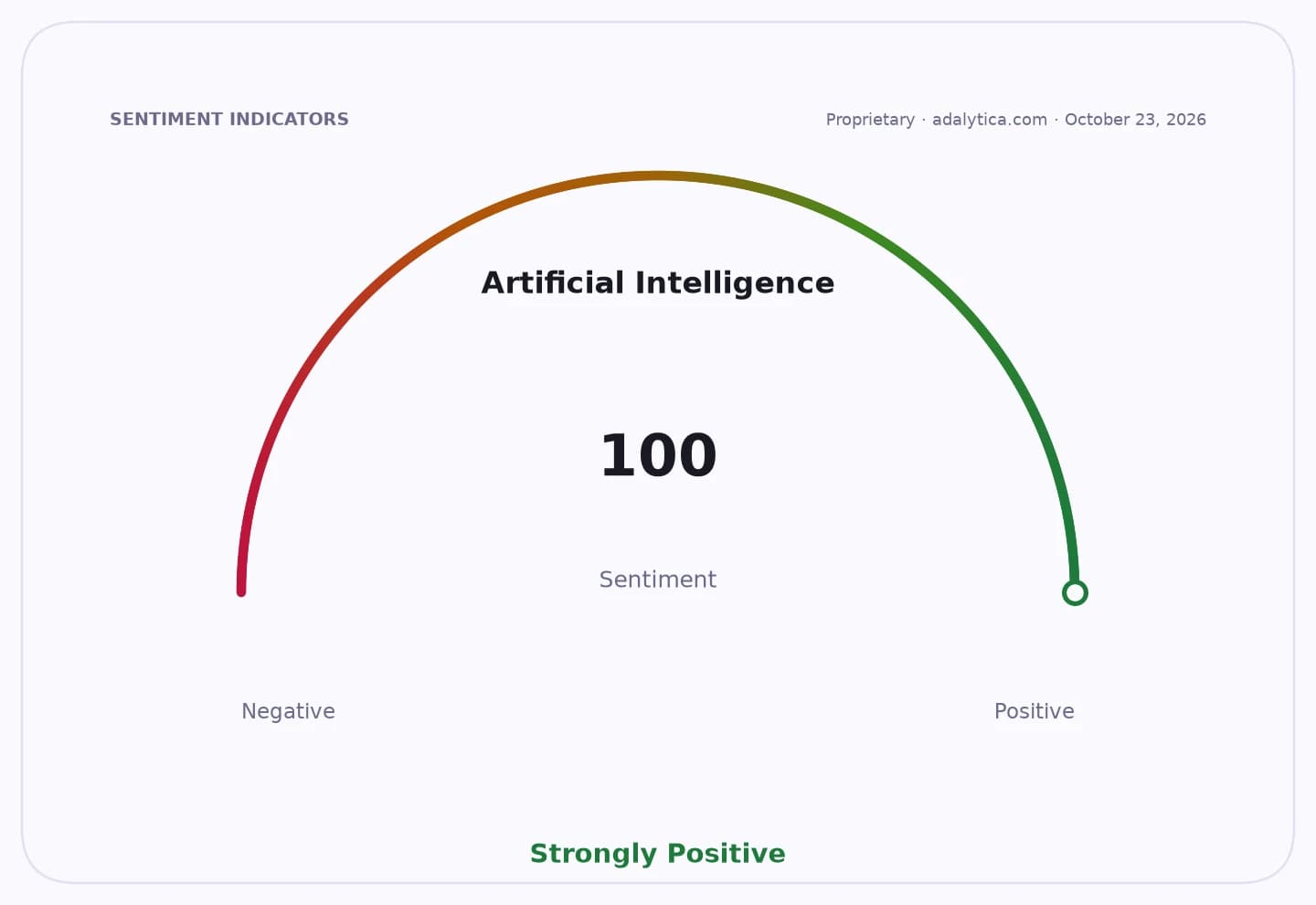
Sentiment Indicators
Microsoft said in its latest 10-Q that AI development and deployment increases demand for energy, water, land and other resources, raising operating costs and challenging the viability of its sustainability goals. The company also warned that new and evolving rules could increase the cost and complexity of delivering products and services, and that AI outputs may produce unintended consequences or be used in ways inconsistent with responsible AI policies.
Alphabet made similar points in its own filing, highlighting heavy investment in new businesses and technologies, while also disclosing sizeable obligations tied to data center and energy infrastructure. Amazon, meanwhile, said profitability from newer activities, including AI and automation, may not meet expectations.
For investors, the message is twofold. On the bullish side, the scale of these commitments reinforces how entrenched AI infrastructure spending has become, supporting demand for semiconductors, cloud services, networking gear and power-related equipment. Nvidia remains the clearest beneficiary of that buildout even after a sharp slide in its shares, with the stock down to $204.64 on Oct. 30 from a recent peak above $235, and still well above its 200-day moving average of about $204.09.
But the bear case is becoming harder to ignore. The same capital spending that drives top-line expansion can compress returns if energy costs, land constraints and regulation rise faster than monetization. Microsoft’s shares, at $521.91 on Oct. 30, remain above their 200-day moving average but have slipped below the 50-day average, while Alphabet has fallen sharply to $279.84, below both its 50-day and 200-day moving averages after a steep two-day selloff. Those moves suggest investors are becoming more sensitive to margin durability, not just AI growth narratives.
The broader narrative is that AI is colliding with sustainability in a more practical way: not as a branding issue, but as a balance-sheet one. A separate workplace exemption for an employee resisting AI use underscores how the technology is also becoming a governance and labor issue, though the more immediate market impact is likely to come from costs, compliance and the pace at which companies can scale responsibly.
For now, the winners are the firms with the pricing power and infrastructure to absorb the extra burden. The losers are likely to be those that need ever-larger AI investments before the economics are proven, or that face the heaviest regulatory and resource constraints as governments sharpen scrutiny of AI’s environmental footprint.
| Entity | Gains | Losses |
|---|---|---|
| Microsoft | ▲AI platform leadership | ▼Sustainability and margin pressure |
| Nvidia | ▲Data-center demand | ▼Valuation if capex slows |
| Alphabet | ▲Cloud and AI scale | ▼Return-on-investment scrutiny |
| Regulators / sustainability advocates | ▲More leverage over AI rules | ▼Faster AI deployment |