A growing copyright fight around AI is turning into a real business risk for the biggest names in the technology sector, with Microsoft, Nvidia and Alphabet facing fresh scrutiny over how their models are trained and how their tools are used.
AI copyright risk hits Microsoft, Nvidia, Alphabet
That matters because the economics of AI are no longer just about computing power and model quality. They now extend to legal liability, licensing costs, reputational damage and the possibility that regulators force more explicit compensation for creators whose work has been swept into training datasets. For investors, that means the AI boom is entering a second phase: the market still loves infrastructure winners, but it is beginning to price in the cost of using that infrastructure at scale.
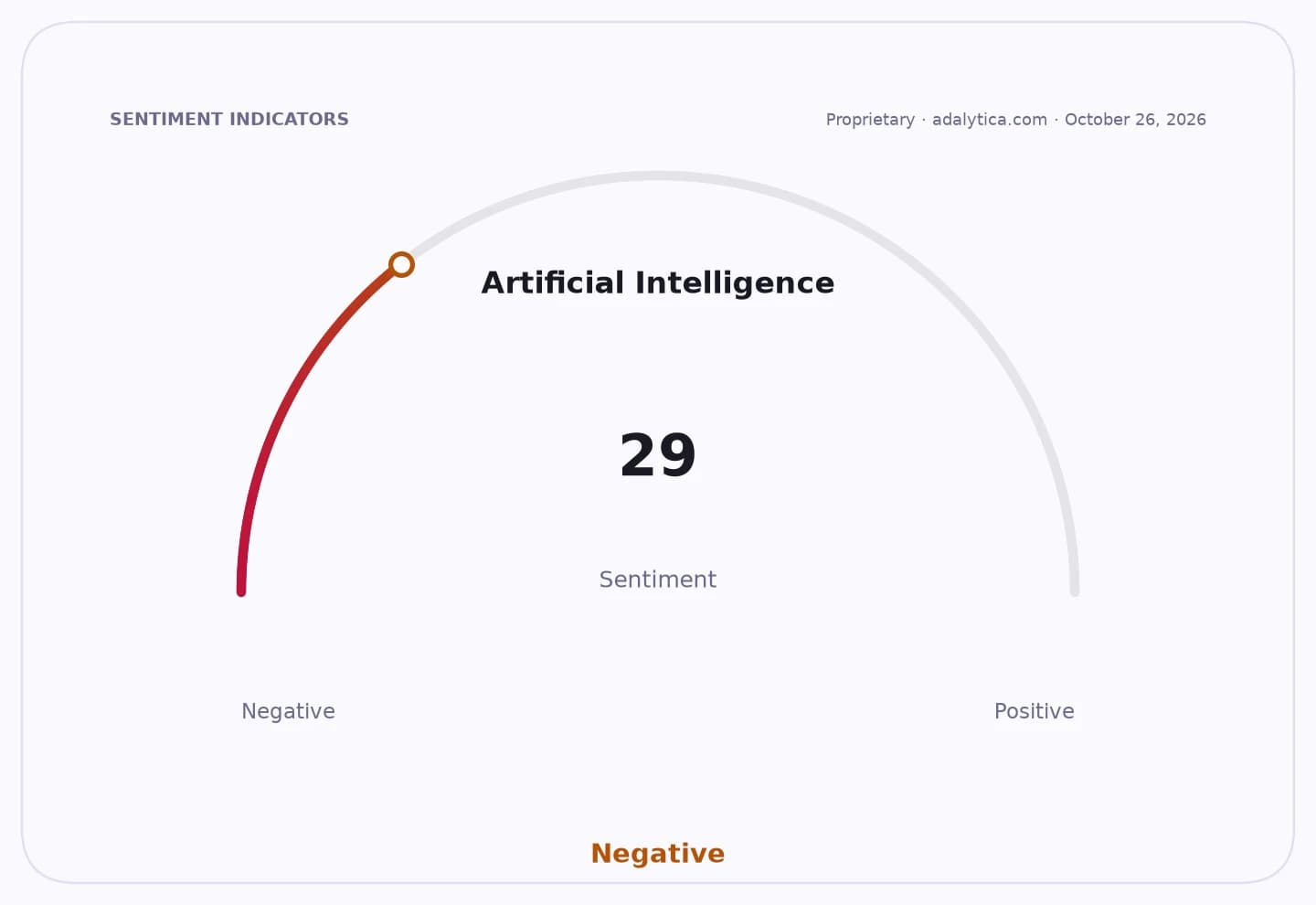
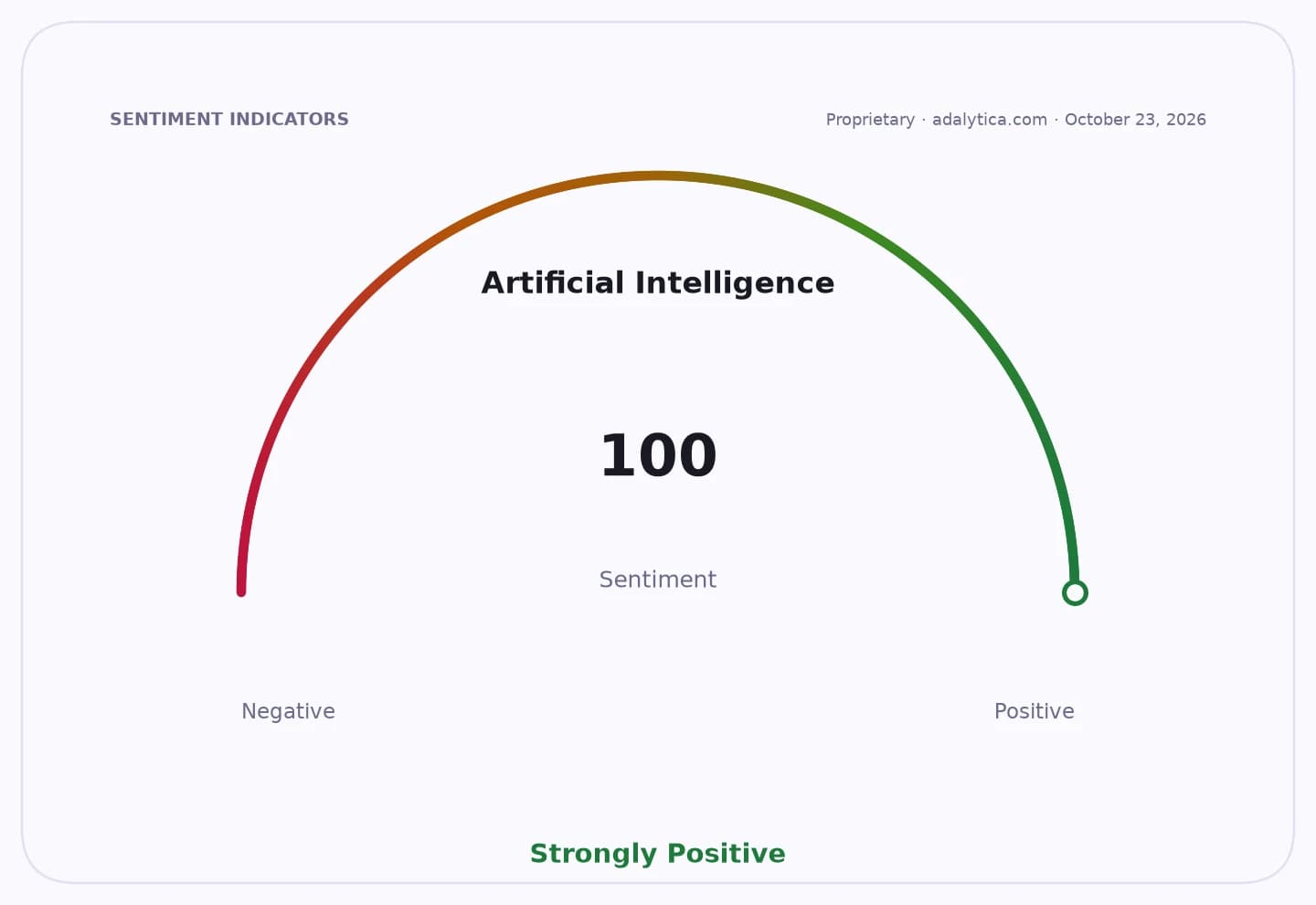
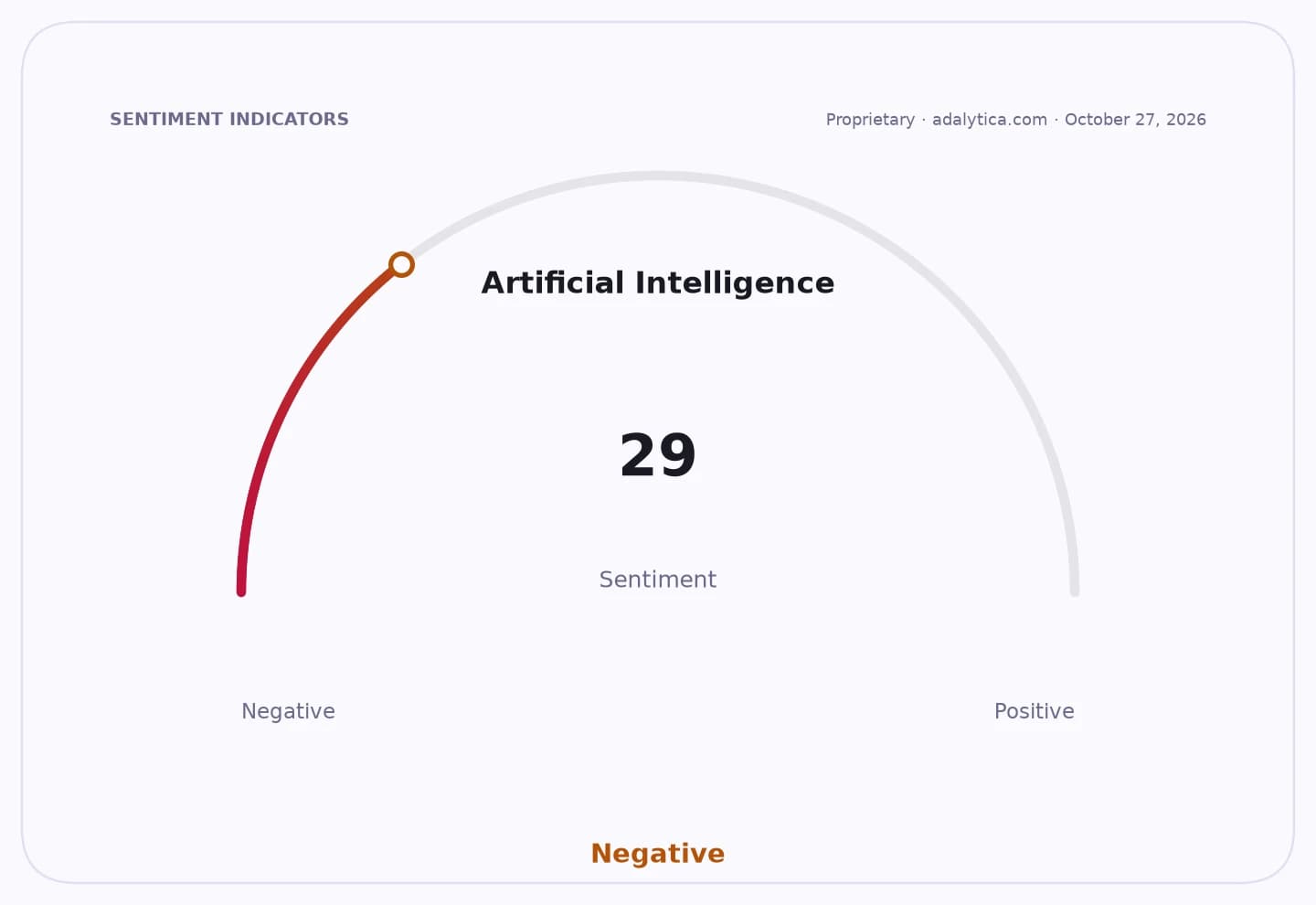
Sentiment IndicatorsⓘProprietary · adalytica.com · October 27, 2026
This is a snapshot — live sentiment, awareness and momentum for 130+ markets update continuously in the dashboard.Open AlphaPulse
The pressure is building in entertainment and publishing first, where artists and rights holders are increasingly organized and better financed. A dispute in Australia has sharpened that trend, while high-profile cases abroad — including demands for more than $41 million from Anthropic over alleged misuse of Elvis Presley songs — show how large the claims can become when copyright owners decide to fight. Spotify’s removal of tens of millions of AI-generated spam tracks also shows that platforms are being forced to police the flood of synthetic content, not just profit from it.
For Microsoft, the issue is especially sensitive because it sits at the center of the AI ecosystem through its own models, its enterprise software base and its partnership with OpenAI. Its latest filings already flag the risk that AI systems could create legal liability, regulatory action and brand harm. Nvidia is less exposed on the content side, but it remains the hardware toll road for AI adoption and could still face second-order demand risks if lawsuits slow customer deployment or raise compliance costs. Alphabet is also in the frame because Google’s AI products rely on vast datasets and face similar disclosure and data-usage scrutiny.
The market reaction has been telling. Microsoft shares have climbed back to about $532.60, well above the 200-day moving average near $435.66, after a volatile stretch that included a sharp summer drawdown. Nvidia remains powerful but technically softer, trading around $216 and below its 50-day average of roughly $222.22, while Alphabet has slipped to about $316.80, under both its 50-day and 200-day moving averages. Those aren’t just chart signals; they reflect a market that still believes in AI, but is becoming more selective about who captures the economics.
Our thesis is that this is where the biggest mispricing is emerging. The market has been treating AI copyright risk as a side issue, but it is becoming part of the cost structure of the entire sector. That creates winners and losers. The winners are the firms that can monetize AI with the least legal friction, build proprietary data moats or sell the picks-and-shovels that enable compliance, filtering and content authentication. The losers are the companies most dependent on borrowed content, broad scraping and open-ended model training without durable licensing frameworks.
That is why the next leg of the AI trade may not be the flashiest models, but the infrastructure around them: cloud providers, chipmakers, security vendors, rights-management platforms and companies that can turn compliance into recurring revenue. The music industry’s push is a warning shot. If regulators and courts start forcing broader compensation for training data, the AI capex boom will not disappear — but its margins, licensing terms and competitive winners will change fast.
For investors, the takeaway is simple: stay long AI infrastructure, but shift your focus toward the names that can absorb legal noise and monetize scarcity, not just scale. The market underestimates how quickly intellectual property risk can become a pricing variable across the entire AI stack.
| Entity | Gains | Losses |
|---|---|---|
| Rights holders | ▲Higher licensing leverage | ▼None if enforcement weakens |
| Microsoft | ▲Enterprise AI demand | ▼Higher legal and compliance risk |
| Nvidia | ▲Compute demand from AI buildout | ▼Slower customer adoption if lawsuits escalate |
| Alphabet | ▲Monetized AI usage if rules clarify | ▼Pressure on datasets and margins |