Australia’s parliament has approved new copyright rules that strengthen online protections and make registration free for 19 categories of works, a move that could shape how artificial intelligence companies access music, text and other content in one of the world’s more closely watched creative markets.
Australia approves new copyright rules for AI use
The changes matter because they tighten the legal framework around the material AI systems are trained on, raising the cost of using copyrighted content without permission and giving rights holders more leverage as courts and regulators grapple with who owns the output of generative AI.
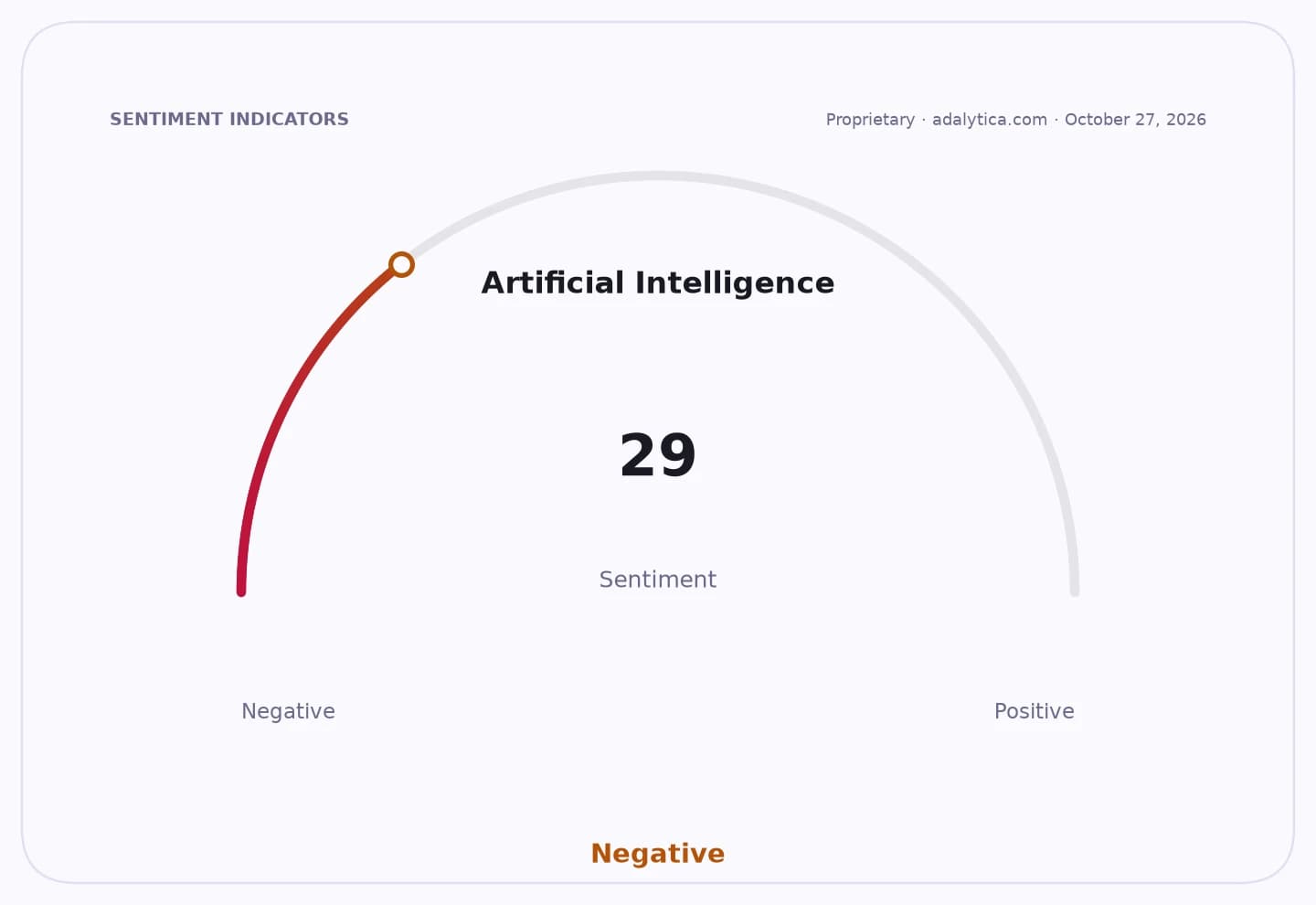
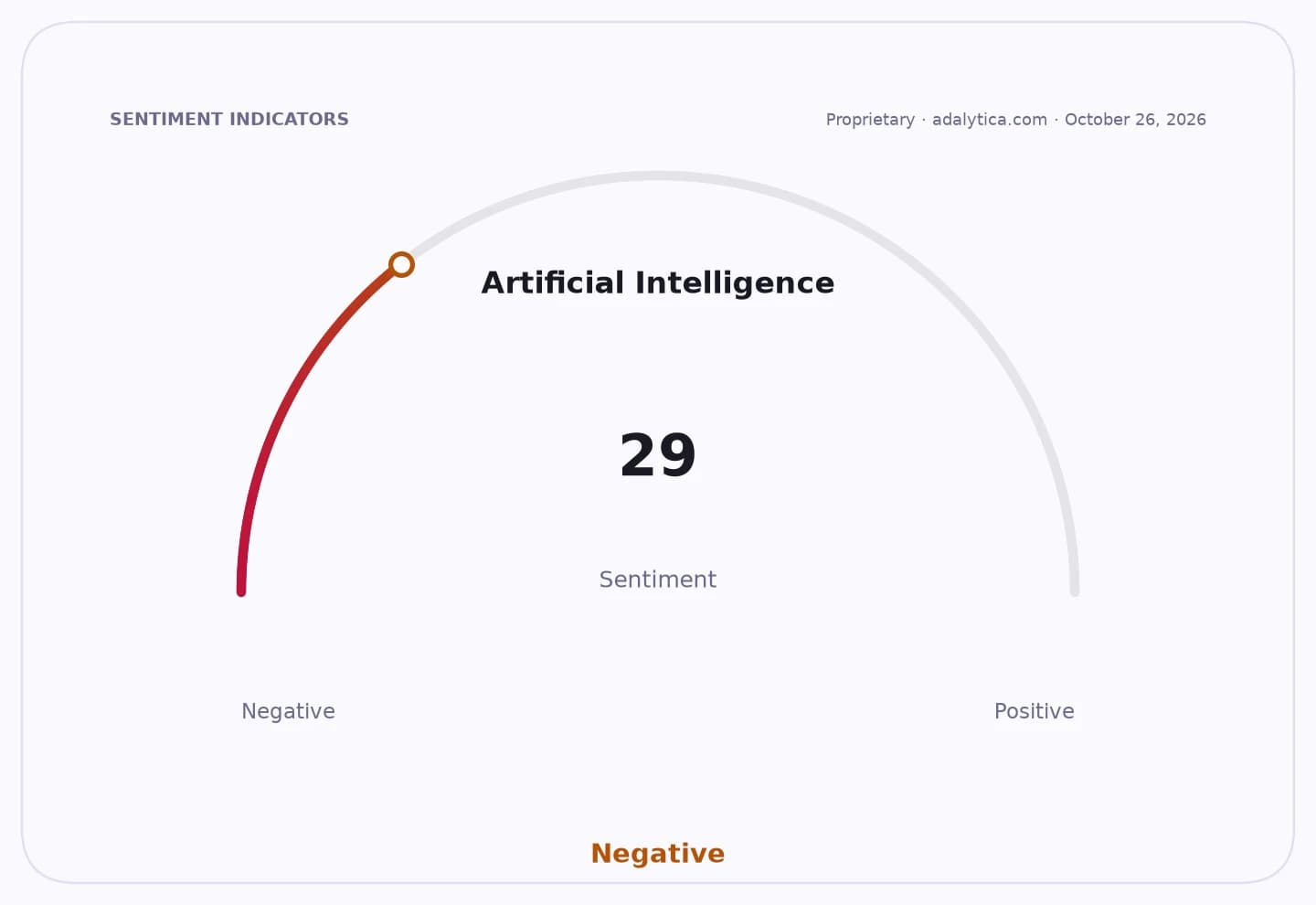
Sentiment IndicatorsⓘProprietary · adalytica.com · October 26, 2026
This is a snapshot — live sentiment, awareness and momentum for 130+ markets update continuously in the dashboard.Open AlphaPulse
That puts Australia’s biggest cultural exports, including Kylie Minogue and Nick Cave, in focus as the debate turns from abstract policy to the value of individual works and catalogues. For artists, the legislation offers a clearer route to protect and register rights. For platforms and model developers, it adds another layer of compliance risk just as they are trying to avoid costly disputes over training data.
The policy shift comes against a broader global backlash over AI and copyright. Rights holders of Elvis Presley’s music are suing Anthropic for $41 million over alleged infringement, underscoring how quickly the legal fight is moving from theory to damages claims that can hit balance sheets.
Investors are watching because copyright rules can affect the economics of AI development, streaming platforms and digital media licensing. If rights holders gain more bargaining power, the result could be higher content costs, stricter licensing agreements and more litigation exposure for tech companies that rely on large-scale data ingestion.
For listed media and tech groups, the issue is less about one law than the direction of travel: governments are moving to define what counts as fair use, what must be licensed and how foreign platforms should operate locally. That raises the odds of slower, more expensive AI rollout in markets where intellectual property enforcement is tightening.
The next test will be how aggressively artists, publishers and labels enforce the new regime, and whether AI firms adjust training practices or strike more licensing deals to reduce legal risk.
| Entity | Gains | Losses |
|---|---|---|
| Australian artists and labels | ▲Stronger copyright leverage | ▼More complex licensing battles |
| AI developers | ▲Clearer rules over time | ▼Higher compliance and legal costs |
| Kylie Minogue, Nick Cave and rights holders | ▲Better protection of catalogues | ▼Less control over unauthorized use |
| Streaming and tech platforms | ▲Regulatory clarity | ▼Greater litigation exposure |