Australia has moved to tighten its grip on Big Tech’s access to children, unveiling a bill that would force Meta Platforms, Snap and Alphabet’s Google to give users an opt-out from recommendation algorithms and make platforms directly responsible for shielding under-18s from harmful content.
Australia introduces child-safety bill for social platforms
The proposed “Digital Duty of Care” law matters because it pushes responsibility for online safety away from parents and regulators and onto the platforms themselves, raising compliance costs and legal risk for the biggest social media and video companies. It also deepens a global trend toward tougher child-safety rules that could force product changes in how platforms target, rank and recommend content.
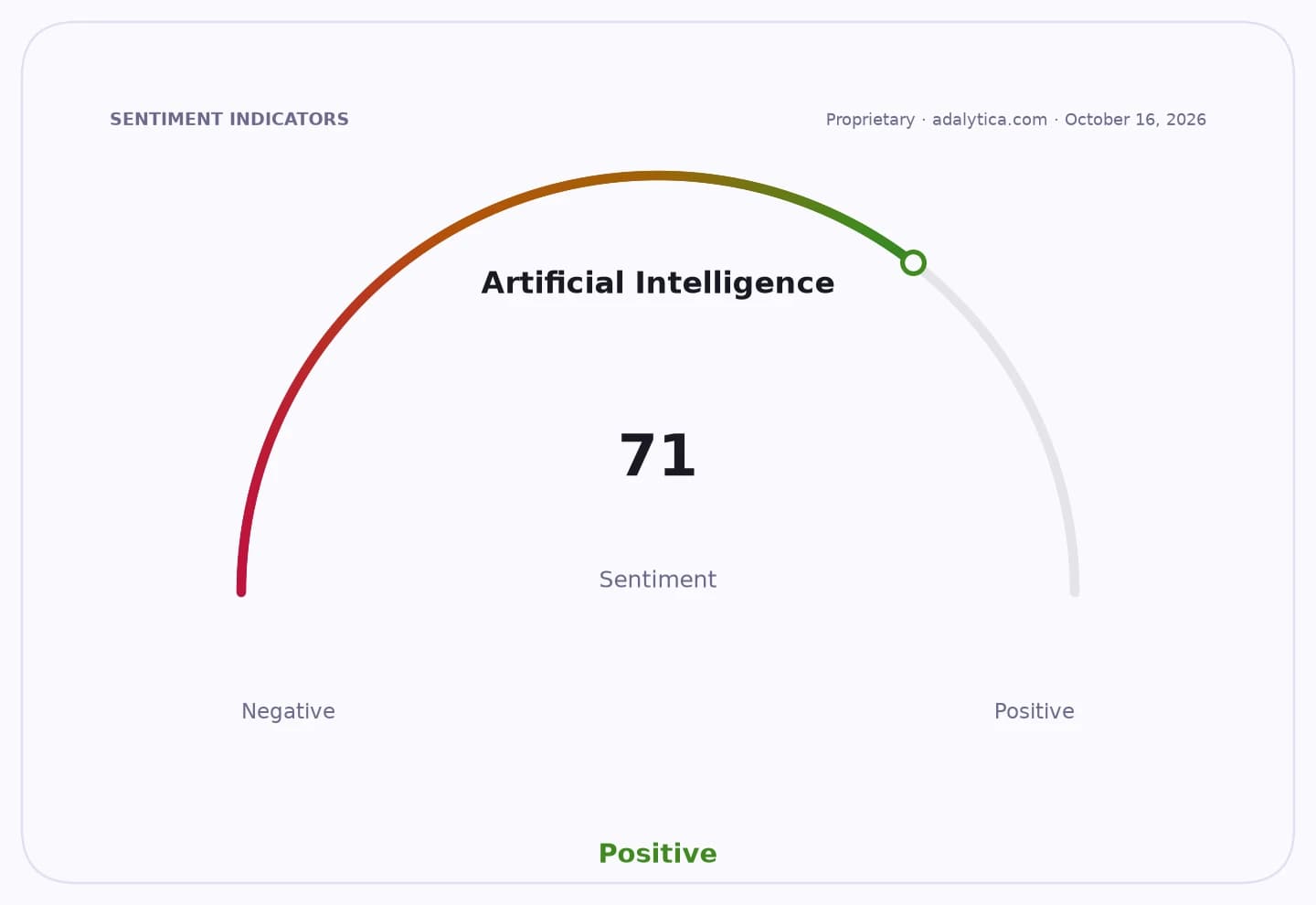
Sentiment IndicatorsⓘProprietary · adalytica.com · October 16, 2026
This is a snapshot — live sentiment, awareness and momentum for 130+ markets update continuously in the dashboard.Open AlphaPulse
Communications Minister Anika Wells said the government had formally introduced the legislation to parliament on Thursday and argued that tech companies have been allowed to “live-test” their products on Australians. She said the bill would require firms to protect minors from pornography, cyberbullying, content glorifying crime and material that encourages eating disorders.
For investors, the immediate issue is not just potential fines or lawsuits, but the possibility that engagement-driving algorithms face tighter restrictions in more markets. Meta, in particular, has traded well above its 50-day moving average in recent sessions, but the stock has also shown heightened volatility, with the latest close at $720.82 after a pullback from September highs above $770. Snap closed at $6.26, above both its 50-day and 200-day moving averages, but remains far below past levels, underscoring how exposed smaller platforms are to regulatory pressure and user-growth risk.
Alphabet shares ended at $344.18, essentially in line with their 50-day average, while Apple rose to $346.38. The broader market has so far treated child-safety rules as a compliance issue rather than a demand shock, but the Australian move adds to a growing body of laws and filings warning that stricter age-verification, content moderation and teen-data rules can materially affect revenue and operating expenses.
The bill still faces a difficult path in parliament, where Labor may need support from the Greens, while the conservative opposition has vowed to fight it. Wells said a draft provision that would have given ministers power to define harmful content was removed, framing the proposal as a rules-based constraint on platforms rather than a speech restriction.
Australia already imposed what it called world-first legislation last year barring children under 16 from accessing a range of social media apps. Several governments, including New Zealand, the UK, France and Turkey, have said they want to follow suit, suggesting the Australian model could become a template for broader regulation if it survives political and legal challenge.
| Entity | Gains | Losses |
|---|---|---|
| Australian government | ▲More control over child safety | ▼Political backlash over speech |
| Parents and minors | ▲More protections online | ▼Less access to open platforms |
| Meta, Snap, Google | ▲Clearer compliance rules | ▼Higher costs, lower engagement |
| Regulators globally | ▲A policy template | ▼More pressure to enforce |