France’s 2027 presidential race is starting to look like a direct test of how far the next government will go in reshaping the economics of the media business, with candidates openly backing AI payments, public subsidies and tougher limits on concentration.
France 2027 race focuses on media, AI licensing rules

That matters because the debate goes well beyond newsroom politics. It strikes at the two biggest forces squeezing traditional media: AI systems that scrape journalism without paying for it, and digital advertising that still flows overwhelmingly to U.S. platforms. For investors, that creates a real policy-risk event for publishers, telecoms-linked content groups and Bolloré-linked media assets, while also putting new upside optionality on companies that could benefit from a stronger legal regime around licensing and compensation.
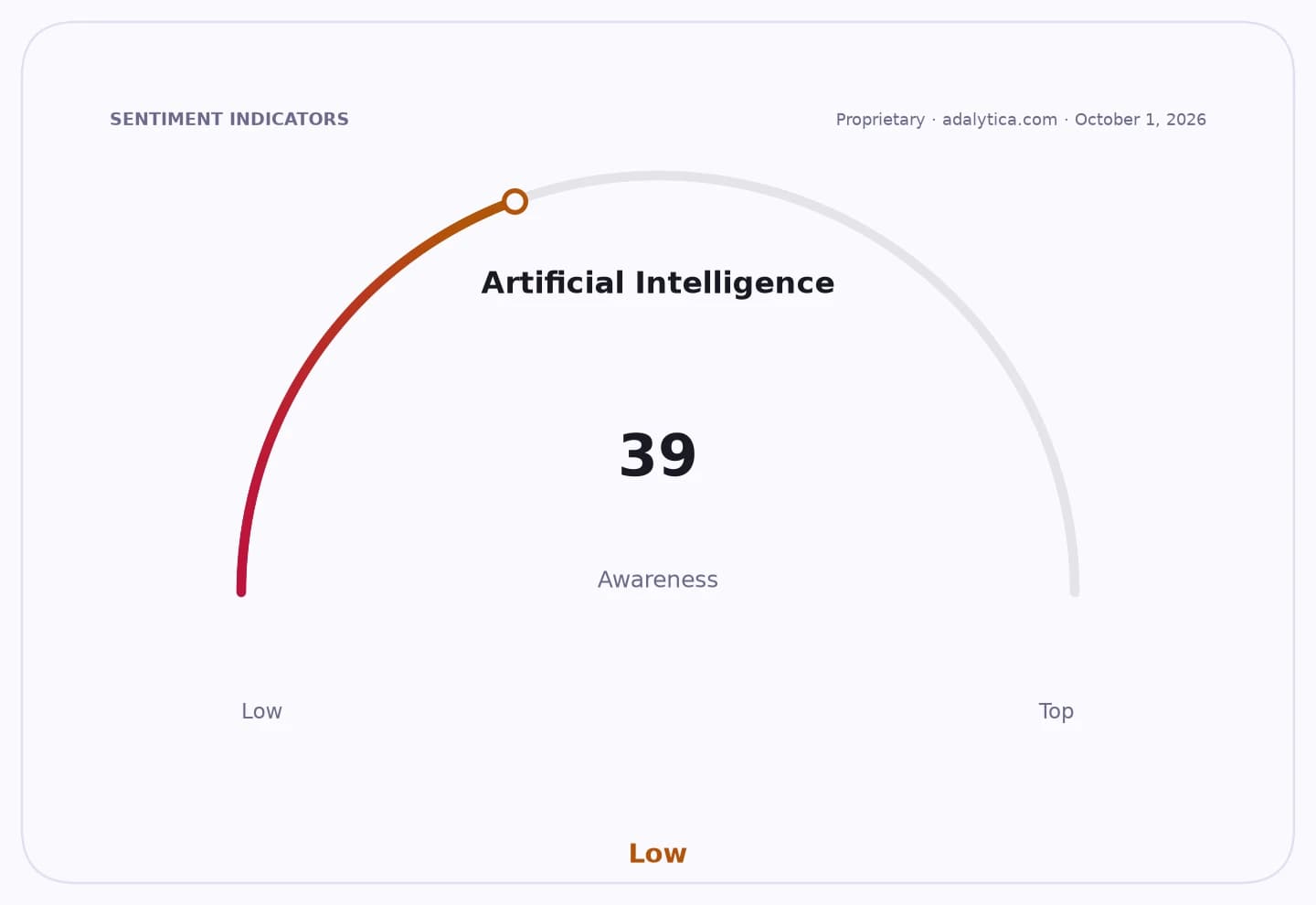
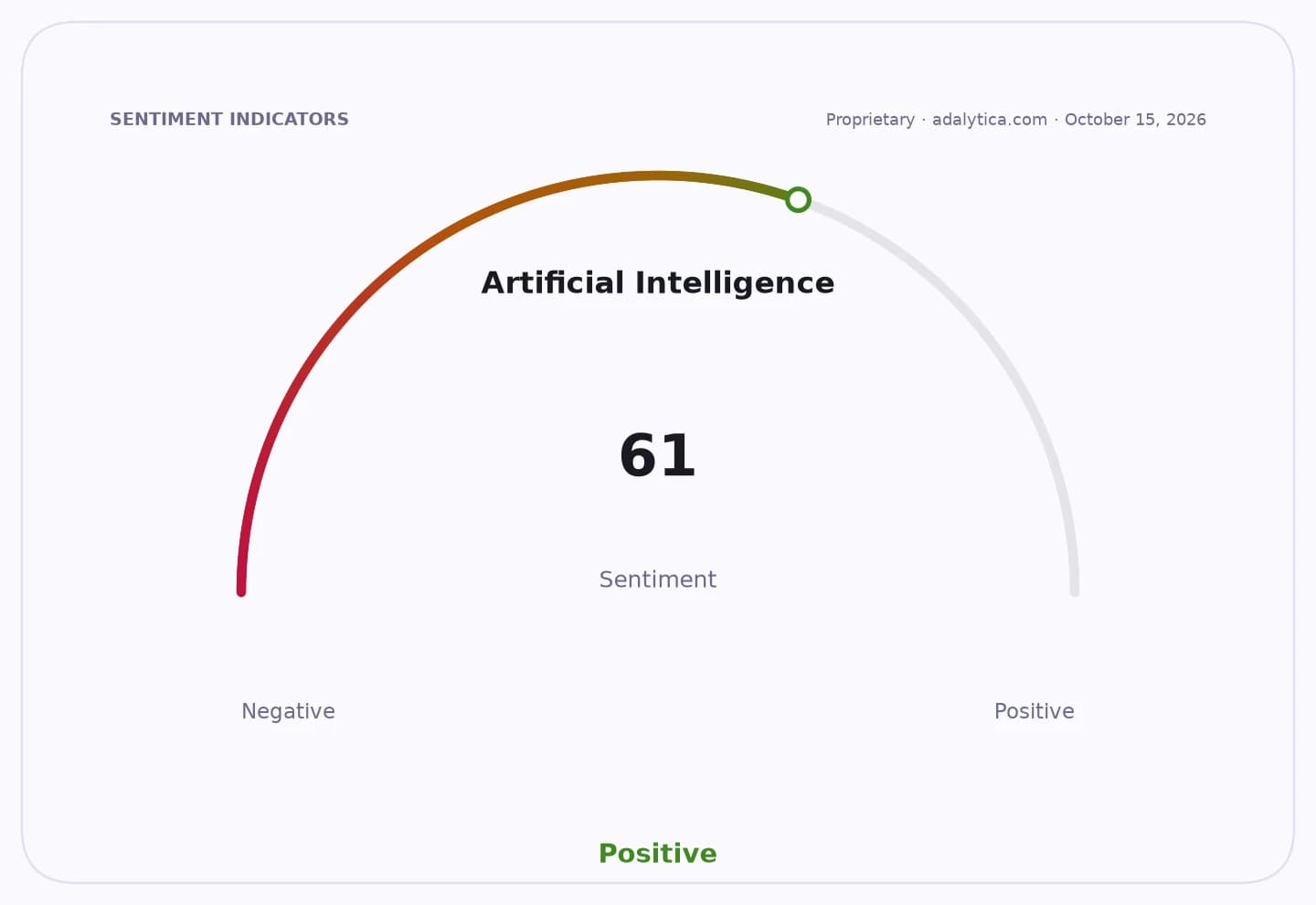
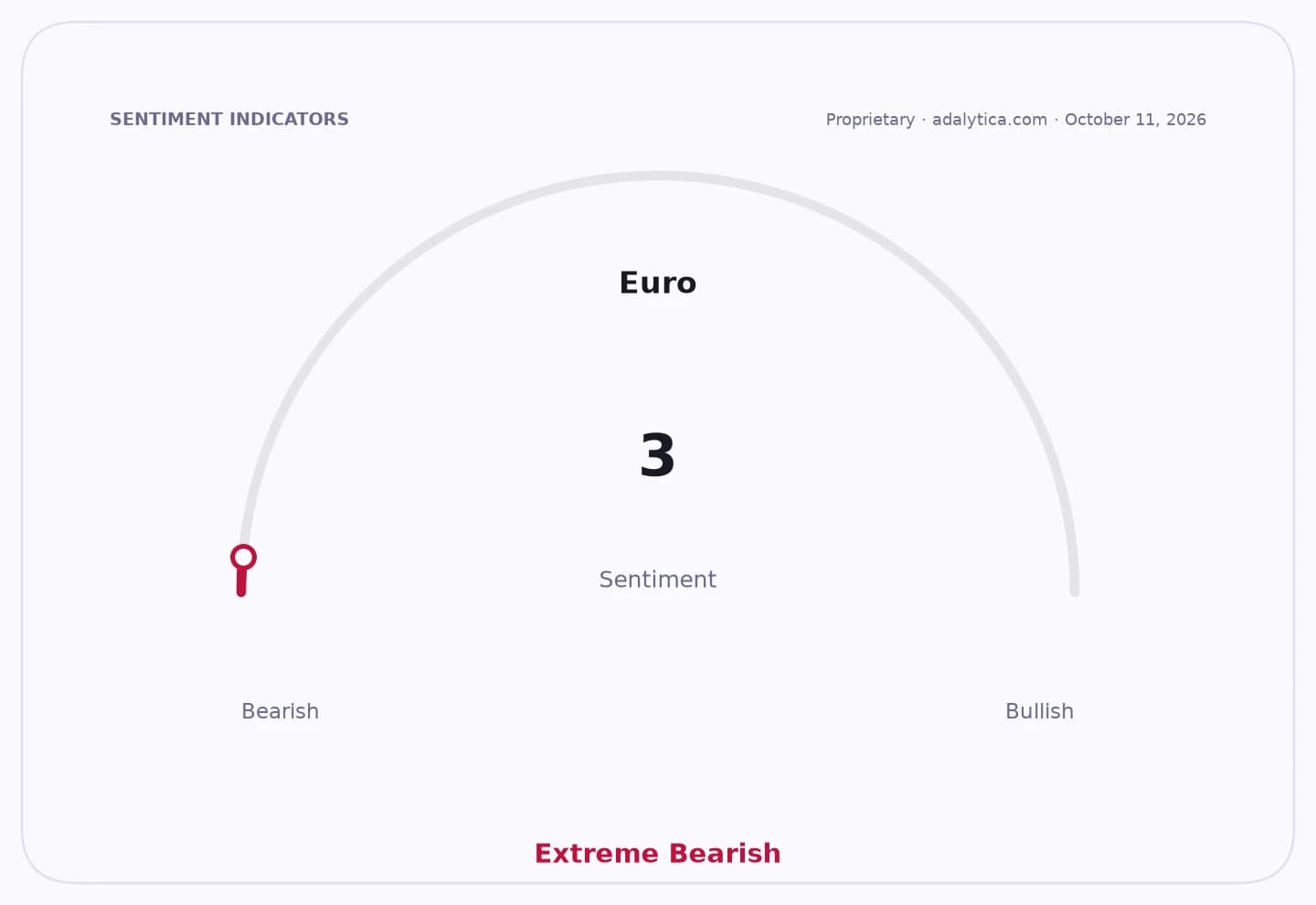
Sentiment IndicatorsⓘProprietary · adalytica.com · October 16, 2026
This is a snapshot — live sentiment, awareness and momentum for 130+ markets update continuously in the dashboard.Open AlphaPulse
The French press bosses who hosted the candidates on Wednesday heard broad agreement that artificial intelligence is a threat that needs a legislative answer. Gabriel Attal called AI scraping “a scandalous plunder” and said he was confident a workable legal format could be found. Boris Vallaud said amendments from his camp risked blocking a bill already in parliament, while the representative for Raphaël Glucksmann warned that France should not become a “digital colony” of the U.S. and China.
That language matters because it points to where the policy may be heading: not just a symbolic defense of journalism, but a more formalized transfer of value from AI systems to content owners. In practical terms, that could mean mandatory licensing, tougher enforcement and new revenue-sharing frameworks. The market is only beginning to price what happens if AI models and search products have to pay for the content they ingest at scale.
The fight over subsidies is just as important. The National Rally’s Philippe Ballard defended planned cuts to direct press aid, while Manuel Bompard of La France insoumise went the other way, promising to keep aid but tie it more tightly to newsroom governance, labor conditions and editorial standards. He also said titles convicted of incitement to hatred should be excluded from support, a clear shot at CNews, owned by Vincent Bolloré. LFI also wants a law against media concentration.
For investors, that is the clearest sign yet that France’s next election could become a catalyst for regulatory pressure on concentrated media empires and for a redistribution of state support toward outlets that can satisfy new political criteria. Concentration rules would be particularly relevant for Bolloré’s media holdings, while a more conditional subsidy regime could favor smaller or structurally protected publishers.
The broader economic backdrop reinforces the stakes. France’s industrial output has been stable, with the latest reading around 103.1 and a forecast of 103.25, while consumer prices remain elevated at 336.3. Unemployment is hovering near 4.2%, which leaves plenty of room for politicians to argue over industrial policy and distribution without facing a deep cyclical downturn. In that setting, media policy becomes part of a larger battle over rents, bargaining power and who captures value in the digital economy.
The market is already living through the tension. AI-linked shares have been volatile, and sentiment around the theme has cooled sharply even as large-cap tech valuations remain rich. Microsoft and Nvidia still trade well above their 200-day moving averages, but recent swings show how quickly investors can reprice the AI trade when regulation, capex intensity or concentration risk comes into view. In Europe, the message is even clearer: if politicians start forcing AI firms to pay publishers, that is a margin question as much as a legal one.
My view is that the market underestimates how quickly this debate can turn into an investable policy regime. The first winners are likely to be the content owners with real archives, trusted brands and negotiating leverage. The second-order winners could be firms that help enforce or monetize rights, from ad-tech and digital identity to compliance and licensing infrastructure. The losers are the platforms and media conglomerates most exposed to pricing pressure, subsidy redesign and anti-concentration rules.
If you want to position early, the thesis is simple: follow the policy, not the noise. France’s 2027 campaign is laying the groundwork for a broader European push to tax, license and regulate AI’s use of content — and that could reshape the economics of media faster than most investors expect.
| Entity | Gains | Losses |
|---|---|---|
| Traditional publishers | ▲Licensing leverage | ▼Unpaid AI scraping |
| AI platforms | ▲Faster product access | ▼Higher content costs |
| Bolloré-linked media groups | ▲Political status quo | ▼Anti-concentration pressure |
| Smaller/independent outlets | ▲Subsidy support | ▼Ad revenue concentration |