A new bipartisan bill to repeal Section 230 would expose Meta, Alphabet and other large internet platforms to lawsuits over harms tied to their products, a change that could raise legal costs, force product redesigns and alter the economics of social media for years.
Section 230 repeal bill targets Meta and Alphabet
U.S. Rep. Mark DeSaulnier of Concord and Republican Rep. Jimmy Patronis of Florida have introduced the Sunset Section 230 Act, legislation that would phase out the 1996 legal protection over two years and make it possible for Americans to sue big tech companies over online harm. For investors, the significance is not just political theater: Section 230 has been one of the foundational guardrails that allowed the modern internet platform model to scale with limited liability. Removing it would invite a wave of litigation and put fresh pressure on already heavily scrutinized tech giants.
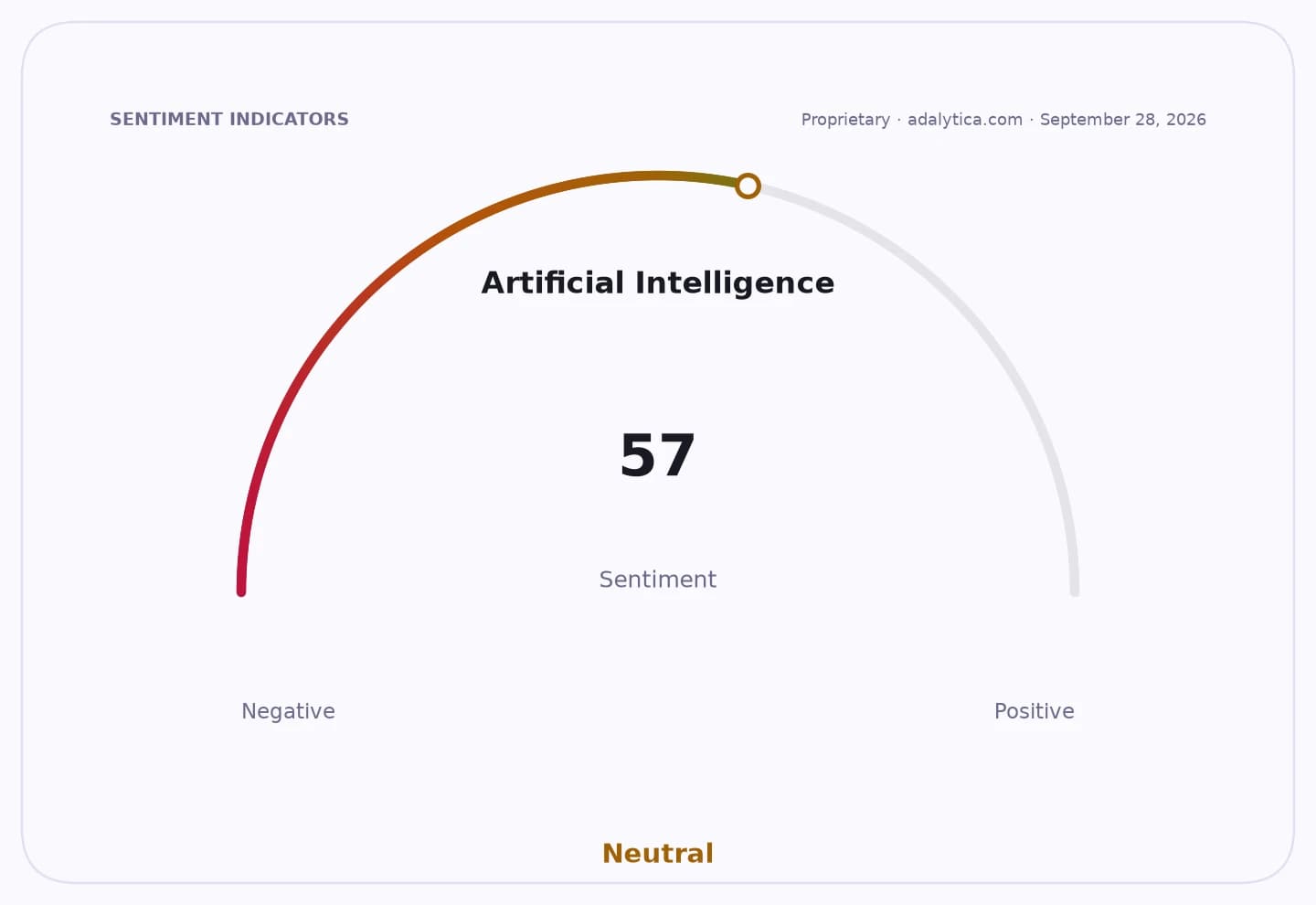
Sentiment IndicatorsⓘProprietary · adalytica.com · October 1, 2026
This is a snapshot — live sentiment, awareness and momentum for 130+ markets update continuously in the dashboard.Open AlphaPulse
The timing matters. Meta this summer agreed to pay up to $18 billion to settle claims brought by 29 U.S. states that it contributed to a youth mental health crisis, while also accepting new guardrails for teen users, including default daily time limits, nighttime blocks, faster reporting response requirements and bans on some features. The company has also lost additional court rulings over claims that it created addictive products that harmed young users. In other words, lawmakers are no longer talking in abstractions. They are building on a legal and political case that social media platforms can be held financially responsible for user harm.
That is why this bill should matter to long-term investors, even if its odds in Congress are uncertain. Alphabet, Meta and Amazon all face a more aggressive regulatory backdrop, and their latest filings underscore how legal and competition risks are already part of the business model. Section 230 repeal would not only raise the probability of costly lawsuits; it could also make content moderation, age verification and product design more expensive, reducing margins in a sector that has long depended on scale and software leverage.
Still, investors should keep the issue in perspective. This is a policy risk, not an immediate earnings event, and the bill would need to move through a divided Congress. The market is also accustomed to Big Tech regulation headlines that do not become law. Alphabet’s shares recently traded around $338, Meta around $726 and Amazon near $248, with technical indicators showing all three still far from distressed territory. But the longer the political and legal pressure builds, the more it reinforces a simple message: the internet platform era is shifting from growth at all costs toward a more regulated, more expensive operating environment.
For patient investors, that does not automatically make Big Tech unattractive. These companies still have huge cash generation, dominant ecosystems and secular exposure to AI and digital advertising. But it does mean the next leg of returns may depend less on pure expansion and more on how well they defend their moats while absorbing a heavier legal burden. Worth watching closely.
| Entity | Gains | Losses |
|---|---|---|
| Families and teens | ▲More legal recourse | ▼Less platform impunity |
| Meta and other Big Tech firms | ▲None | ▼Higher litigation risk |
| Congress reformers | ▲Political momentum | ▼If bill stalls |
| Long-term investors | ▲Clarity on regulatory risk | ▼Margin pressure and volatility |