Meta’s effort to pin AI book piracy on rank-and-file staff is running into a court order that could force the company to identify the executives who approved downloading millions of copyrighted books for model training.
Meta court order on AI book piracy approvals

That matters because the fight is no longer just about whether Meta used shadow libraries such as LibGen and Anna’s Archive, but whether senior leadership knowingly authorized the practice. If plaintiffs can tie the downloads to decision-makers — potentially including CEO Mark Zuckerberg, according to prior unsealed messages cited in the case — Meta faces a harder road defending the training of its AI systems and a greater chance of damages, settlement pressure or operational changes.
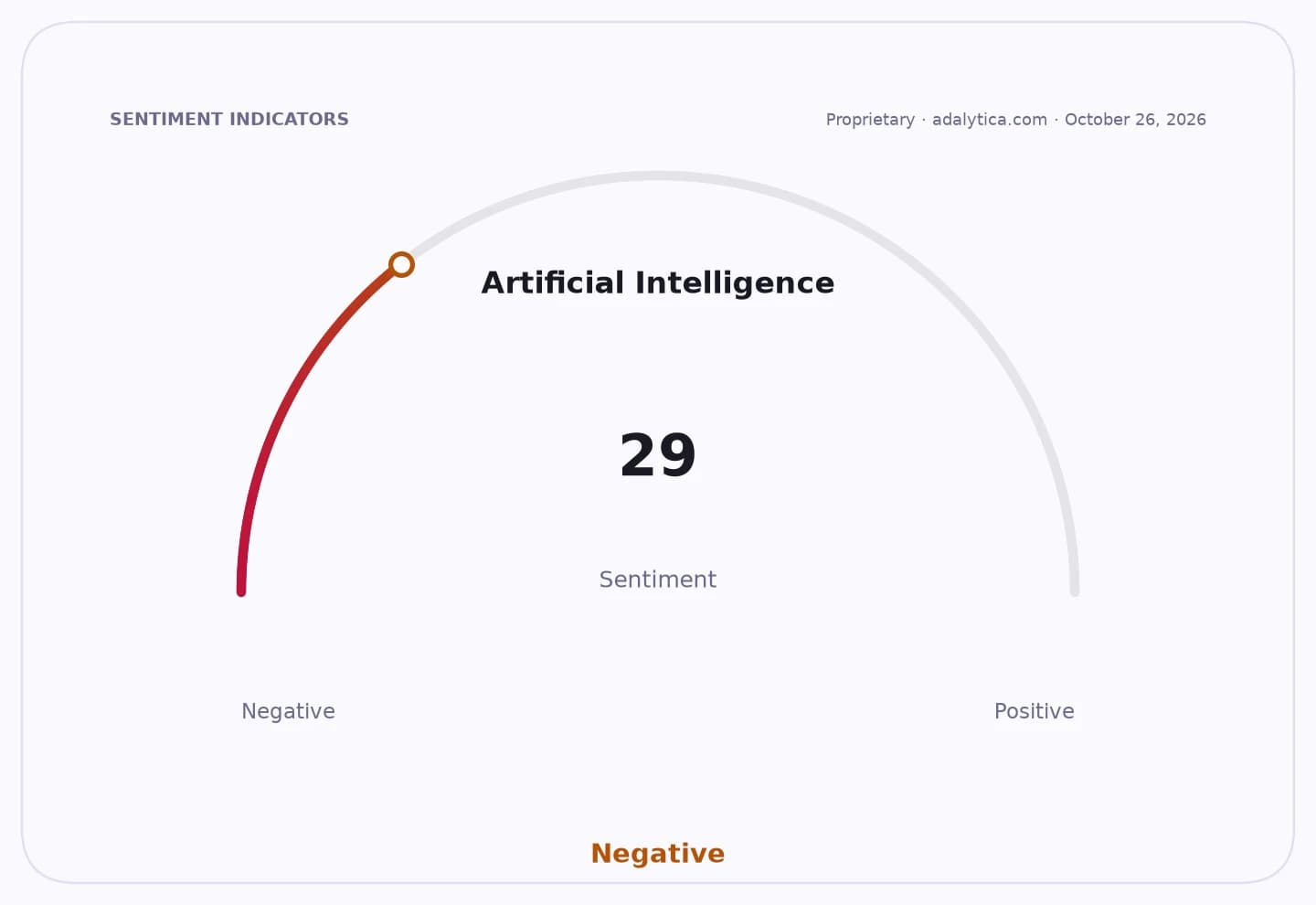
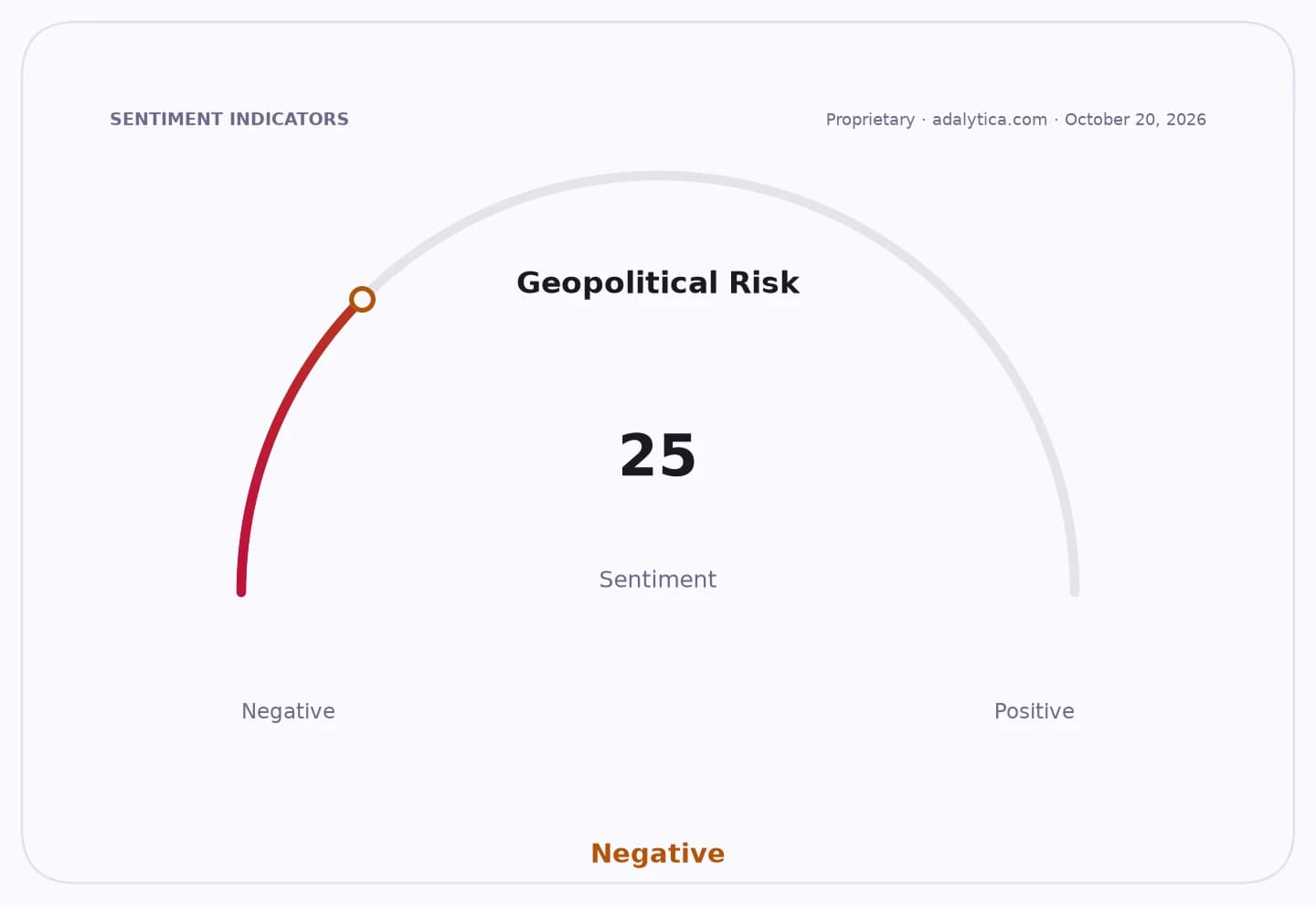
Sentiment IndicatorsⓘProprietary · adalytica.com · October 25, 2026
This is a snapshot — live sentiment, awareness and momentum for 130+ markets update continuously in the dashboard.Open AlphaPulse
The order, reported by TorrentFreak and issued by Magistrate Judge Thomas Hixon, affects a class action brought by authors including Richard Kadrey and Sarah Silverman as well as a separate suit from publisher Entrepreneur Media. It largely sided with the plaintiffs’ push for a clearer chain of command after Meta staff testified that some torrent downloads required director- or vice-president-level approval and that leadership at times halted, then restarted, the process.
Meta had argued its early AI dataset collection was handled through an “informal approach” in which nobody with authority truly made decisions, saying any “decision” was only that workers “technically” downloaded torrents. The court is now pressing the company to do more than that, potentially exposing supervisors, managers and executives who allegedly greenlit the piracy.
The stakes are financial as much as legal. Meta’s 10-Q filings already warn that it is involved in a growing set of intellectual-property disputes over AI training data, and that adverse rulings could force it to pay substantial sums or alter operations. Copyright statutory damages are calculated per work, which raises the risk sharply when the dispute involves massive datasets drawn from books by the thousands or millions.
For investors, the immediate issue is not a near-term hit to Meta’s balance sheet so much as the durability and cost of its AI strategy. Meta has been spending heavily to compete in frontier AI, and any ruling that suggests leadership approved infringing training methods could increase litigation reserves, complicate partnerships and embolden other rights holders to sue.
The case also arrives as the broader AI sector faces tighter scrutiny over how training data is sourced, with Microsoft and Nvidia both flagging legal and regulatory risks tied to AI deployment and model development in their own filings. For Meta, the next catalyst is discovery: if the company must name executives, the lawsuit shifts from a staff-level dispute to a top-of-house governance problem.
| Entity | Gains | Losses |
|---|---|---|
| Authors and publishers | ▲stronger leverage | ▼slower resolution |
| Meta management | ▲limited if secrecy holds | ▼exposure of decision chain |
| Meta shareholders | ▲clarity if risk is capped | ▼settlement and legal overhang |
| AI rivals with cleaner data practices | ▲competitive contrast | ▼less direct benefit if scrutiny spreads |