SpaceX’s blowout quarter and Microsoft’s retreat from a UK AI data-center project capture the split-screen moment for investors: AI demand is still driving explosive revenue growth, but power, infrastructure and financing constraints are starting to slow the buildout.
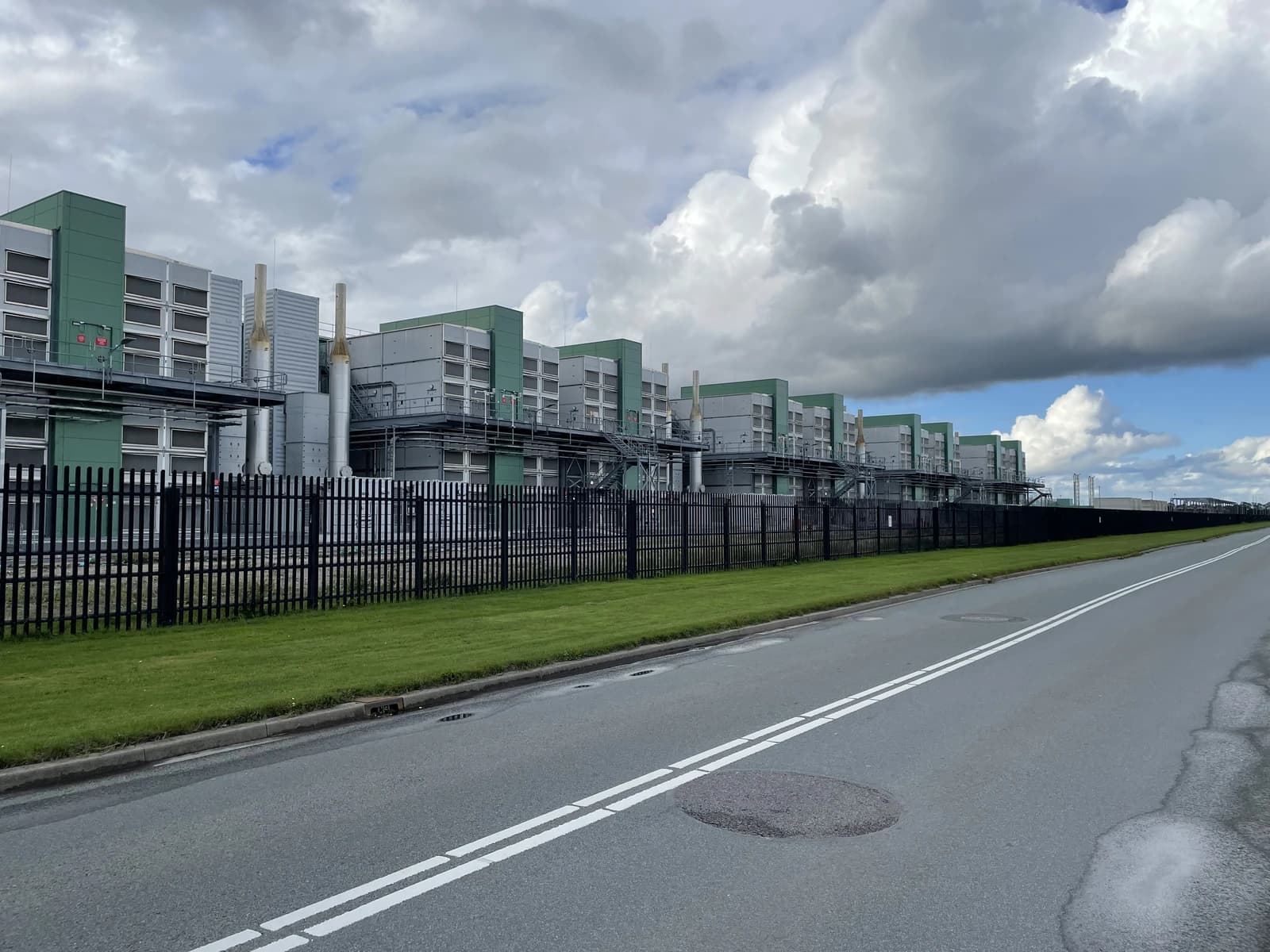
Microsoft UK AI Data Center Delayed by Power Issues
SpaceX said third-quarter revenue surged 161% to $14.58 billion, its first public profit, underscoring how quickly private-space and satellite businesses tied to connectivity and defense are scaling. At the same time, Microsoft withdrew from a planned 50-megawatt AI data center in the UK because of power grid delays, a reminder that the bottleneck in the AI trade is shifting from chips and models to electricity, land and permits.
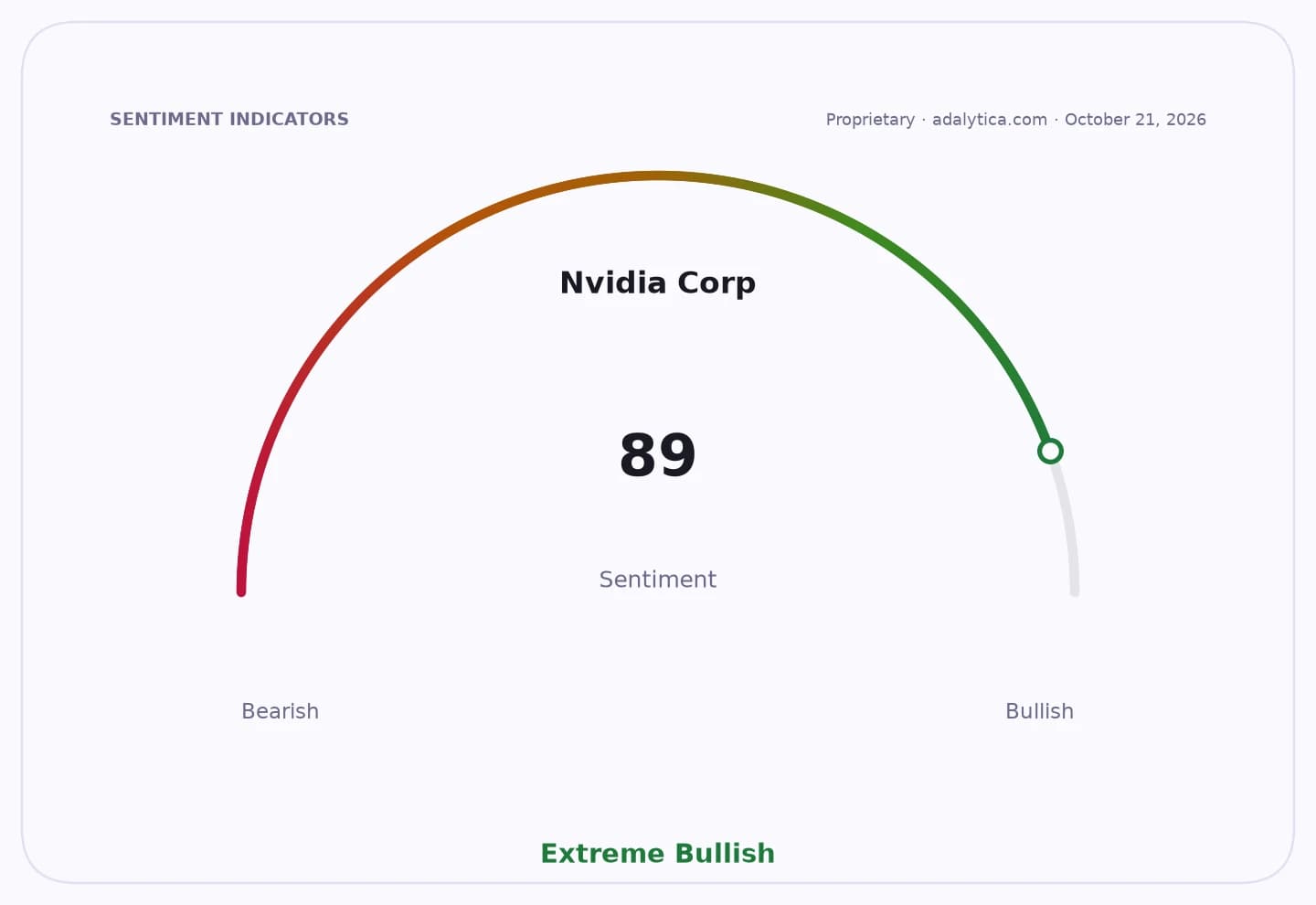
Sentiment IndicatorsⓘProprietary · adalytica.com · October 27, 2026
This is a snapshot — live sentiment, awareness and momentum for 130+ markets update continuously in the dashboard.Open AlphaPulse
That matters economically because AI is now pulling capital into everything from cloud computing and data centers to utilities and grid upgrades. When projects stall for lack of power, the near-term payoff from AI investment gets pushed out, even as demand for compute keeps rising.
The market reaction has been mixed as investors weigh strong growth against the risk of overheating. Microsoft shares were last up 1.4% at $532.60, with the stock trading above its 200-day moving average but still below its recent highs, while the S&P 500 proxy SPY closed at 765.37 after a volatile stretch that Adalytica’s trade-signal snapshot classed as “Extreme Fear” despite elevated market awareness.
The broader backdrop is a crowded AI funding cycle. OpenAI is expanding enterprise distribution through Google Cloud Marketplace, Super Micro Computer raised its revenue and gross margin outlook on AI server demand, and reports that Anthropic, ByteDance, Alibaba and Tencent are placing huge chip orders with Nvidia point to relentless appetite for compute. But Microsoft’s UK pullback and NEXTDC’s lower FY27 revenue forecast after Melbourne power delays show that infrastructure constraints are now a central investor risk.
For investors, the message is that AI leaders with access to power, capacity and financing may keep taking share, while projects dependent on fragile grids or slow-moving regulators could see margins and timelines slip. The next catalyst is whether hyperscalers, utilities and governments can speed up grid connections fast enough to keep the AI capex cycle from stalling.
| Entity | Gains | Losses |
|---|---|---|
| SpaceX | ▲Revenue surge, first public profit | ▼Capital-intensive growth pressure |
| Microsoft | ▲AI demand remains strong | ▼UK data-center delay, capex timing risk |
| AI infrastructure suppliers | ▲Higher demand for power, chips, servers | ▼Project delays, execution bottlenecks |
| Utilities and grid operators | ▲More demand for capacity upgrades | ▼Pressure to deliver faster connections |