A software error at JPMorgan Chase that knocked out online banking at several major U.S. lenders is putting fresh pressure on regulators and investors to scrutinize whether the country’s biggest banks can keep critical payments and account-access systems running as outages become harder to dismiss as one-off events.
JPMorgan software outage hits major U.S. banks

The immediate economic risk is not credit loss but operational fragility. When a failure at one large institution ripples across peers such as Bank of America, it exposes how tightly integrated core banking infrastructure has become — and how quickly a technical problem can become a system-wide service interruption. JPMorgan said the outage was caused by a software error and not a cyberattack, but that distinction offers little comfort to customers or regulators if deposit access, transfers and transaction processing are delayed at scale.
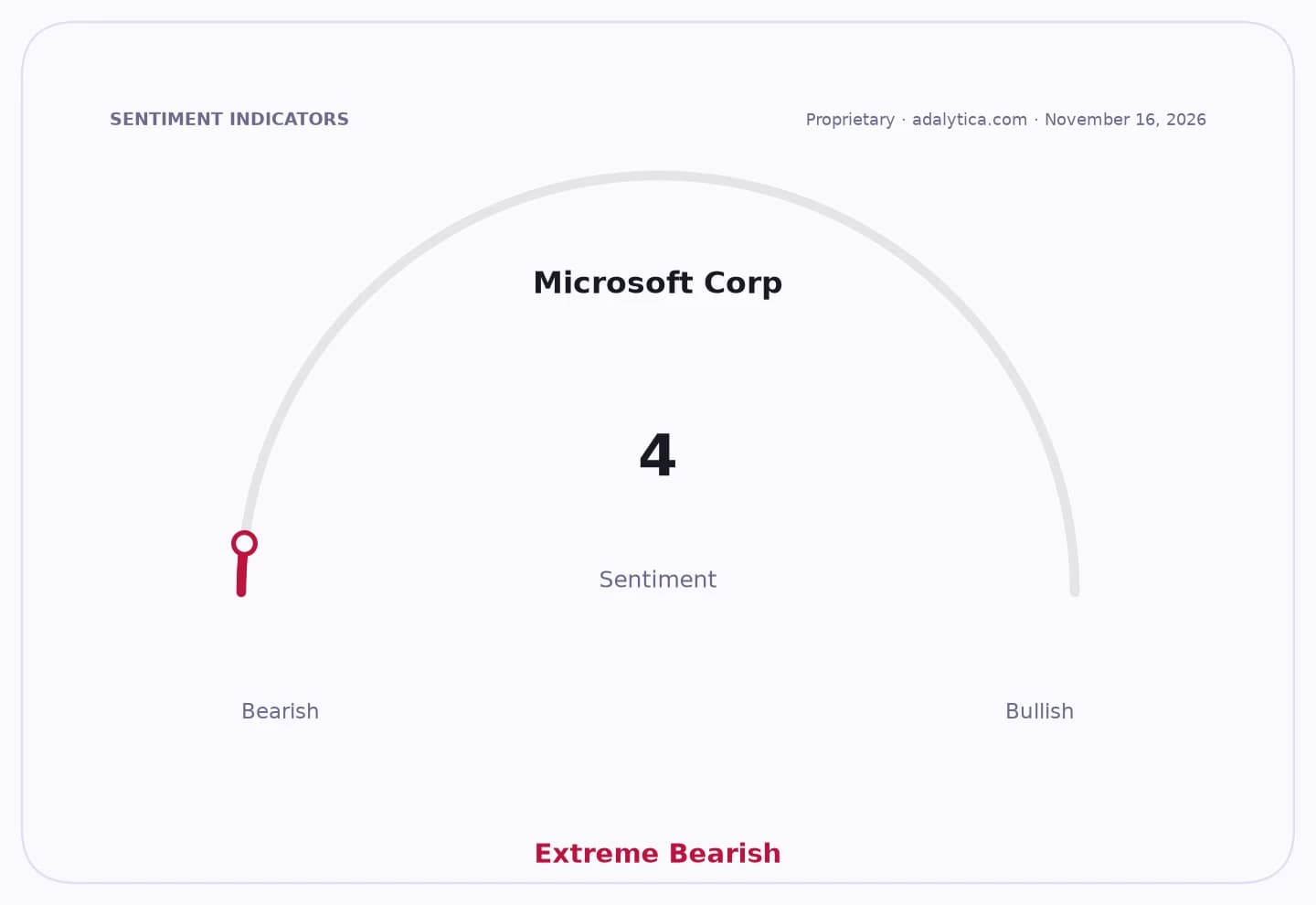
Sentiment Indicators
The episode comes at a time when banking authorities are already sensitive to repeated U.S. system failures and the burden of rapid patching across complex legacy platforms. Each outage raises the odds of closer supervisory review of technology controls, disaster recovery planning and vendor management. For banks, the issue is not just reputational. Operational incidents can trigger remediation costs, heavier compliance demands and, in the worst case, restrictions on technology changes if supervisors conclude controls are insufficient.
Investors tend to view such incidents first through the lens of earnings durability. A single outage is unlikely to move bank fundamentals on its own, but a pattern of failures can weigh on valuation by increasing the probability of higher spending on systems, more conservative risk-management practices and a longer timeline for efficiency gains. Large banks rely on scale and digital distribution to defend returns; persistent technology instability threatens both.
The market’s broader message has been to treat operational resilience as a core part of the financial sector investment case rather than a back-office issue. Financial shares, as tracked by the XLF ETF, were already under pressure, while the regional banking ETF KRE showed added weakness into the latest session. That reflects a market that is quick to penalize any sign that banking infrastructure may be less reliable than headline capital and liquidity ratios suggest.
The comparison with previous bank disruptions is important because the problem is increasingly one of concentration. A few institutions and systems sit at the center of customer access, settlement and payments. That concentration creates efficiencies in normal times, but it also means a software fault can spread quickly across the industry’s plumbing.
For regulators, the likely response is to keep pushing banks toward faster patching, better testing and stronger contingency protocols. For investors, the key question is whether these outages remain isolated software mishaps or become evidence of a broader operational risk premium that deserves to be built into bank valuations.
| Entity | Gains | Losses |
|---|---|---|
| Major U.S. banks | ▲pressure to harden systems | ▼reputational damage and remediation costs |
| Regulators | ▲stronger case for oversight | ▼little room to accept repeated outages |
| Customers | ▲eventual service fixes | ▼access delays and transaction disruption |
| Bank shares | ▲long-term if resilience improves | ▼near-term if outages recur |