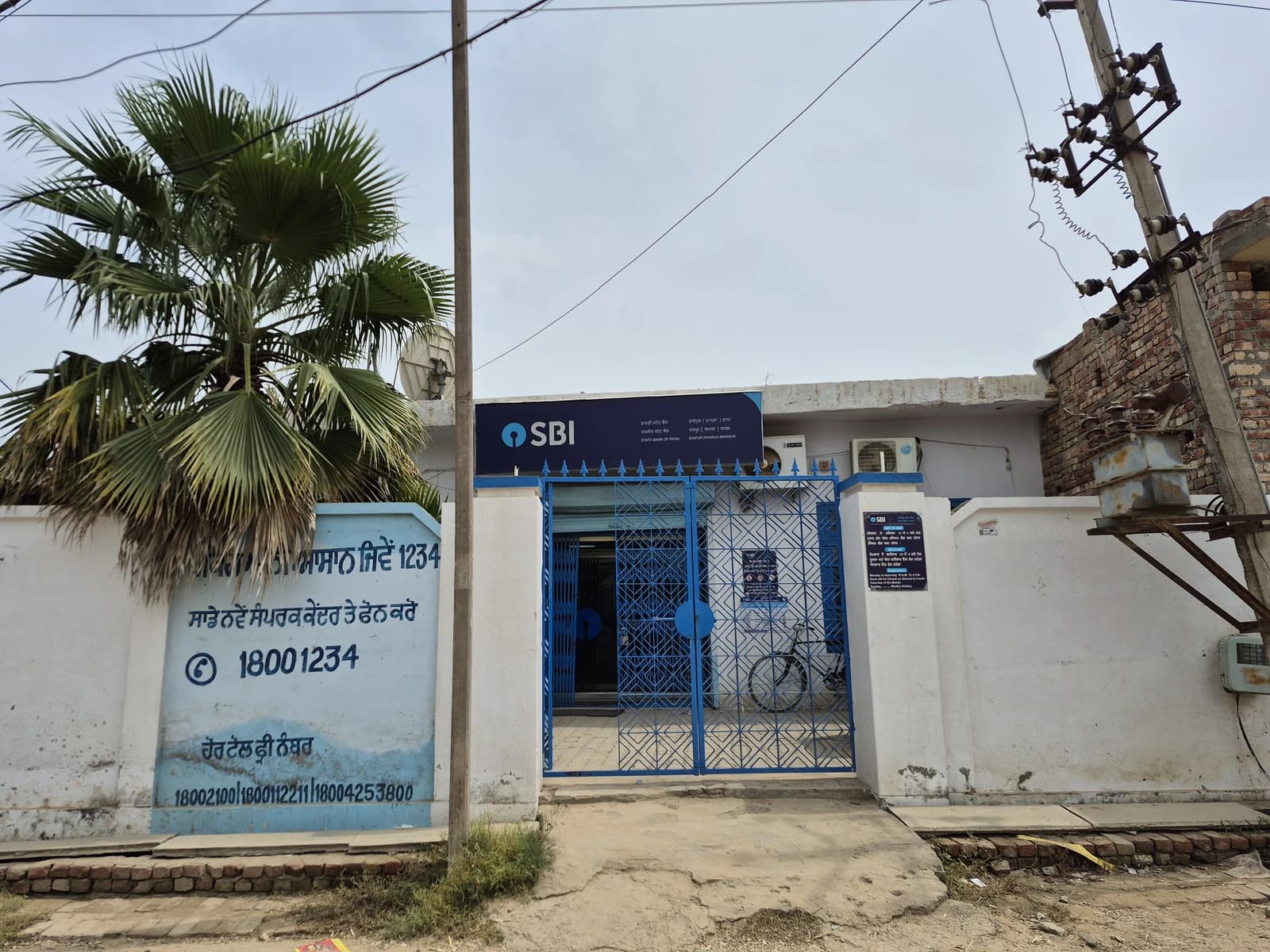
Branch closures are steering more households toward digital banks just as savings rates remain well above what many big brick-and-mortar lenders pay, creating a simple but economically meaningful arbitrage for depositors.
Online Banks Gain Deposits as Branch Closures Rise
For a typical $8,200 balance, an online account yielding about 4.0% would pay roughly $328 a year before taxes, compared with about $31 in a traditional savings account at around 0.4%. That gap is not just a consumer annoyance. It reflects a banking system in which deposit pricing still lags policy rates, even after years of higher borrowing costs, and where banks with no physical network can afford to offer materially richer returns because they avoid the expense of maintaining branches.
Sentiment Indicators
The spread matters because deposits remain the cheapest and most stable funding source for banks. As money migrates from low-rate accounts to higher-yield online products, traditional lenders face pressure to raise deposit rates, lose balances, or rely more on wholesale funding. That can compress net interest margins at the same time banks are trying to preserve profitability in a more competitive deposit market. The effect is especially important for regional and consumer-focused banks, where retail deposits fund a large share of lending.
The rate gap also helps explain the resilience of digital banks such as SoFi and Ally. SoFi’s shares have been volatile, falling to $12.48 in recent trading from above $17 earlier this month, while Ally has drifted to $36.32 from the high-$40s seen earlier in the year. Both stocks remain sensitive to the same underlying question: can online lenders keep attracting deposits without sacrificing earnings power if rates begin to fall? Their filings show the answer depends heavily on deposit pricing discipline and the ability to keep funding costs below loan yields.
By contrast, the economics are tougher for large incumbents with extensive branch networks. JPMorgan still operates 5,164 branches, up from 5,018 a year earlier, showing that physical distribution remains part of the banking model even as digital usage rises. But branch-heavy banks must balance customer service, local presence and staffing costs against a market where many savers increasingly expect online rates and mobile convenience. If a branch closes, the immediate customer reaction may be frustration; the financial consequence is often a prompt comparison shopping exercise.
The broader backdrop is a Federal Reserve that has kept short-term rates elevated relative to the last decade. The fed funds rate was last around 3.88% in the data provided, and the 10-year Treasury yield near 5.1%, leaving plenty of room for online banks to offer attractive savings products while still earning a spread. That helps explain why cash has become more competitive again after years when savers were effectively subsidizing banks with near-zero deposit returns.
For investors, the key issue is whether deposit migration becomes a durable feature of the post-pandemic rate cycle. If funding remains competitive, online banks can keep growing balances and fee income. If rate cuts arrive and deposit customers become more rate-sensitive, the industry could see another round of repricing pressure, with winners defined by low-cost funding and digital scale rather than branch density.
| Entity | Gains | Losses |
|---|---|---|
| Online banks | ▲More deposits | ▼Lower-rate competitors |
| Savers | ▲Higher cash yield | ▼Branch-era deposit rates |
| Brick-and-mortar banks | ▲Fewer branch costs if they trim networks | ▼Funding pressure |
| Bank shareholders | ▲Stronger digital franchises | ▼Margin compression risk |