JPMorgan Chase’s transaction slowdown matters less as a brief nuisance than as a reminder that the plumbing behind modern banking is tightly interconnected, and when one big link stumbles, the effects can ripple across competitors and customers.
JPMorgan Chase transaction slowdown hits payment rails

The largest U.S. bank said a software bug in on-premise hardware systems was making it take longer than usual to service some customers, while stressing there was no evidence of a cyberattack and no interruption to account access or funds. Even so, the incident appears to have slowed some transactions at other banks that were on the other side of payments with JPMorgan, putting a spotlight on how dependent the U.S. financial system has become on seamless digital processing.
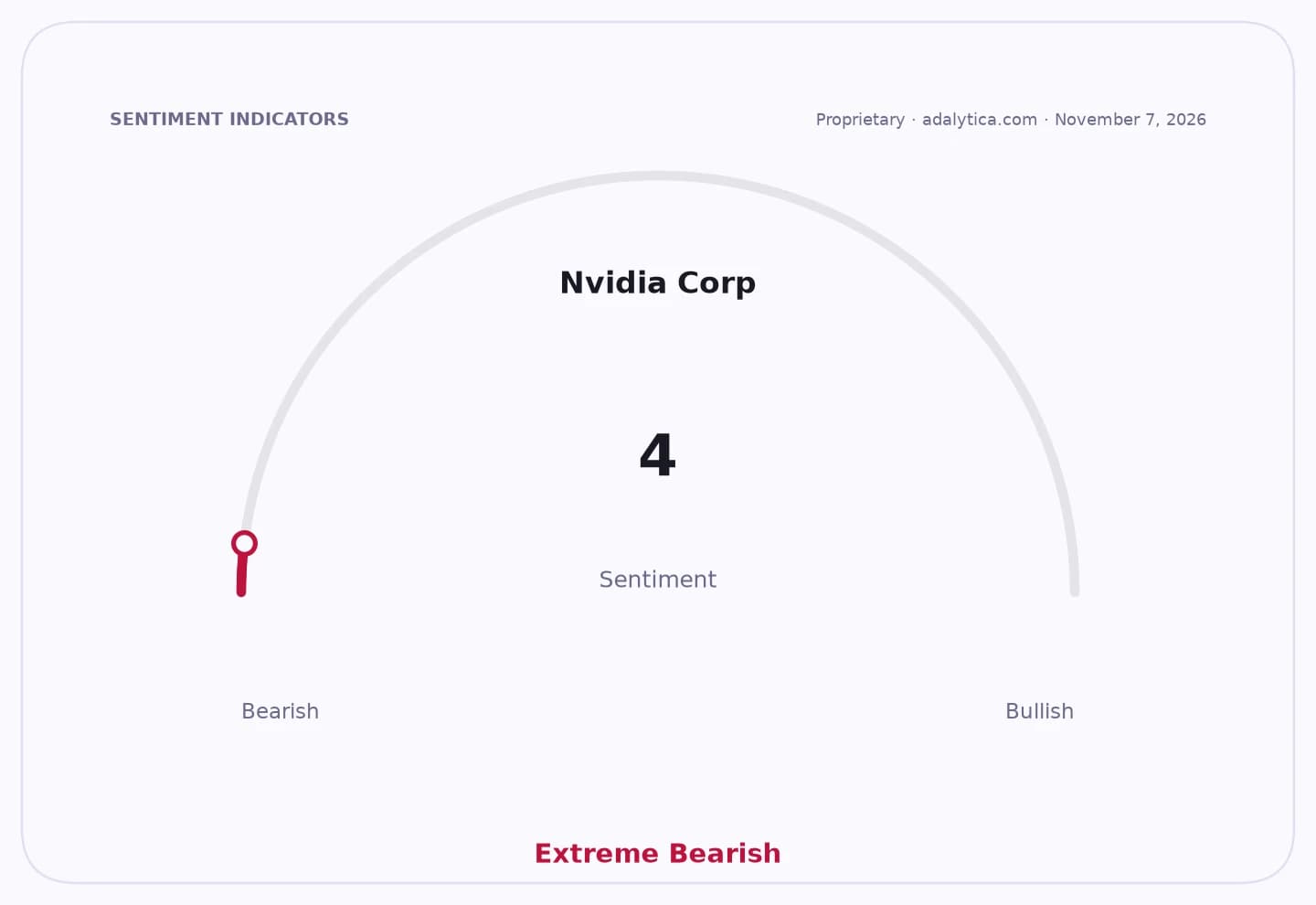
Sentiment Indicators

For investors, the key issue is not whether this episode becomes a balance-sheet problem — it almost certainly does not — but whether it raises the bar for banks’ technology spending and operational resilience. In a sector where customer trust is built on reliability, even a temporary slowdown can trigger outsized scrutiny, especially after a string of recent technology disruptions across industries. Banks now have to prove that their systems can handle the volume, complexity and speed of real-time payments without embarrassing failures.
The market has little reason to treat this as a fundamental hit to JPMorgan’s earnings power. The bank’s shares have been trading close to all-time highs, with the stock well above both its 50-day and 200-day moving averages, a sign that investors continue to reward its scale, profitability and franchise strength. But the episode is still a useful stress test of a larger investing thesis: the biggest banks are also the biggest technology companies in disguise, and that means execution risk extends well beyond credit cycles and interest rates.
There is also a broader competitive angle. If Chase’s internal issue can slow transactions for peers such as Bank of America, Wells Fargo and U.S. Bank, that underscores how concentrated payment infrastructure really is. The more connected the banking system becomes through services like Zelle and other transfer rails, the more a single disruption can temporarily inconvenience millions of customers and force rivals to explain problems they did not directly cause.
None of this changes the long-term case for JPMorgan, which remains one of the best-run financial companies in the world. But it does reinforce an important lesson for investors: scale is not enough on its own. The winners over the next decade will be the banks that pair scale with resilience, automation and disciplined technology investment. For patient investors, JPMorgan still looks like a stock to hold for years — but this is exactly the kind of operational risk worth watching closely.
| Entity | Gains | Losses |
|---|---|---|
| JPMorgan Chase | ▲Tests operational resilience | ▼Faces reputational scrutiny |
| Rival banks | ▲Opportunity to review systems | ▼Temporary payment delays |
| Customers | ▲Continued account access | ▼Slower transfers |
| Long-term shareholders | ▲Franchise remains intact | ▼Short-term uncertainty |